Folk signs: what not to do Volgograd on October 5, the day of Jonah and Phokia
On October 5, Orthodox Christians honor the memory of the prophet Jonah and the martyr Phocas. In the national calendar, this date has received telling names - Listoder or Listoder, the time when nature finally sheds its leaves, and people begin to prepare for the winter cold
The folk traditions of this day are surprisingly intertwined with biblical stories. For example, the story of the prophet Jonah, who for disobeying the will of God was in the womb of a huge fish, gave rise to a popular ban on eating fish dishes.
The second patron, the Martyr Phocas, in the villages bore the honorary nickname of the Wind Townman. He was revered as the protector of farmers, gardens and gardens, as well as the main keeper of the house from fires and disasters associated with fire and water.
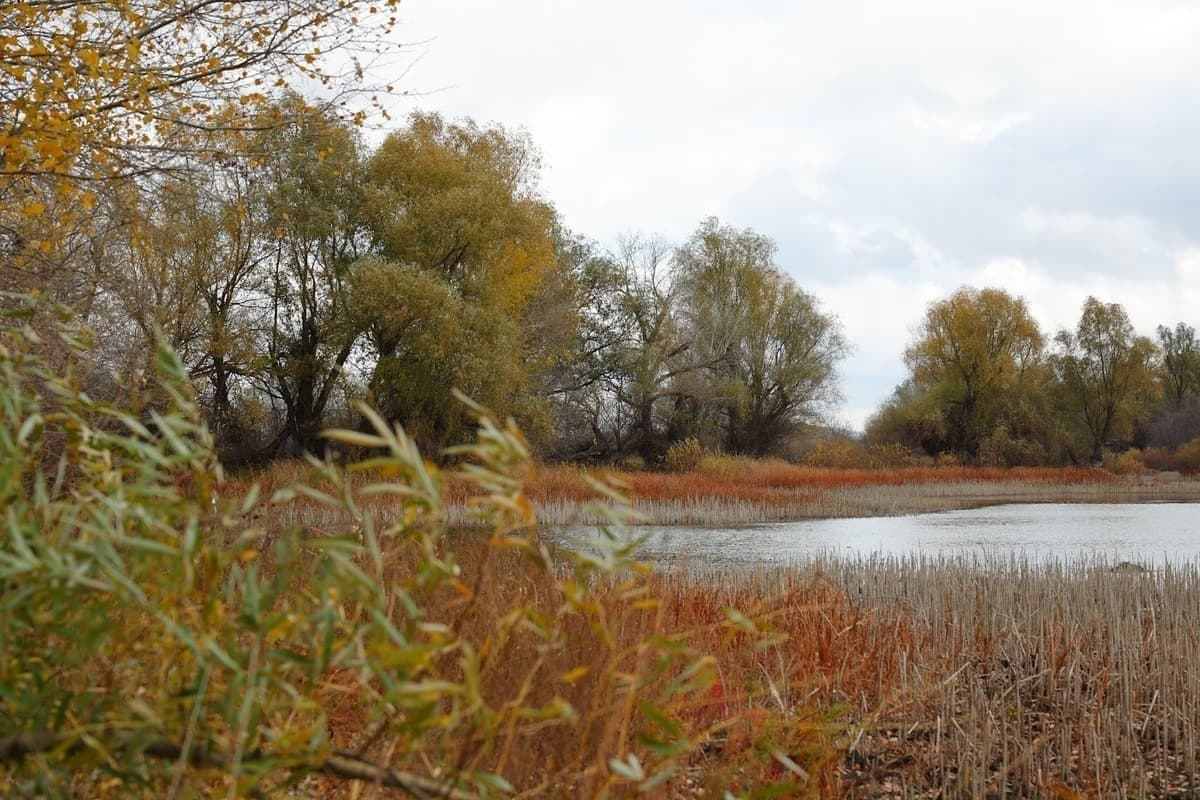
The natural symbol of the day was leaffall. Peasants read trees in their own way to see what winter would look like. It was believed that if the birch by this time still holds the foliage, the snow will not fall soon, while the quickly bare aspen foreshadowed quick frosts.
It also mattered how exactly the leaf lays down: the front side up to the harsh winter, the inside out to the soft and warm.
Strong wind promised cold and windy weather, and a rainy day - a long and damp autumn.
In everyday terms, the deciduous was the day of completion of autumn works. The owners tried to remove the remnants of the harvest, restore order in the yard, cellars and storerooms. Particular attention was paid to furnaces, chimneys and fuel reserves. The main dish on the table was radish, which was served with salt, onions and kvass.
People's beliefs ordered to spend the day calmly. Arguments, clarification of relationships, and especially swearing were considered unacceptable, since evil words could destroy the harmony in the family. It was shameful of greed and refusal to help those in need.
There were other prohibitions. It was impossible to leave open fire unattended and burn garbage, it was believed that along with the ashes, the wind would take away wealth from the house.
It was forbidden to keep windows and doors wide, so as not to let evil forces and diseases into the dwelling. And laziness and neglect of economic affairs, according to legends, threatened negligent owners with a difficult winter.