
Folk signs for November 19, 2026: what is forbidden to do on the day of Pavel Ledostava
The Orthodox Church on November 19 honors the memory of St. Paul the Confessor, Archbishop of Constantinople
Pavlov Day was considered a good time to prepare for winter. The owners insulated the houses, checked the reserves and put in order outbuildings. Fishermen inspected the gear and prepared for the beginning of the ice fishing.
According to popular beliefs, on this day it was useful to wear clean or new clothes - it promised prosperity and prosperity. They also tried to spend time with the family, cook homemade food and help relatives. It was considered a good omen to take care of pets, especially before the onset of frosts.
According to popular belief, November 19 should not be washed by hand and hang laundry on the street. It was believed that such work can cause illness and trouble.
Wearing dirty or torn clothes was not recommended: our ancestors associated untidyness with financial losses and failures. For the same reason, they tried to maintain order in the house and monitor their appearance.
Another ban was on money. On Pavlov Day, it was not recommended to borrow and lend, because they believed that this could lead to material difficulties. Large purchases and transactions also tried to postpone, fearing losses.
In addition, on November 19, it was not necessary to quarrel, gossip, slander and make impossible promises. It was believed that the conflicts that arose on this day, can permanently spoil the relationship. It is not recommended to offend pets and refuse to help loved ones.
These restrictions apply to folk superstitions and customs, not to church precepts.
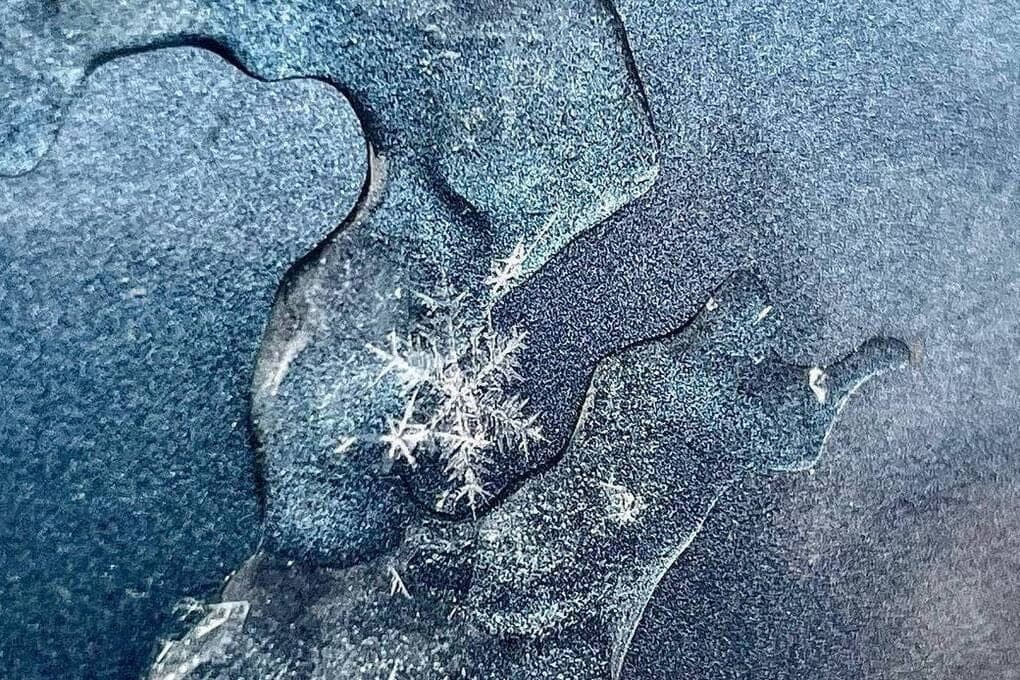
Special attention on Pavlov day was paid to ice on rivers and lakes. If he stood up in bumps and piles, he expected a rich harvest of bread next year. A flat ice surface, by contrast, was considered a sign of a less productive year.
Snowfall on November 19 was associated with a long snowy winter. Windless weather, according to legends, foreshadowed a rapid cold snap, and a large number of stars in the night sky - strong frosts. Red dawn promised precipitation, and geese swimming in unfrozen water pointed to an imminent thaw.
If the birds were sitting on the branches and were dry, they expected windy and frosty weather. Loud squeaking pecks, on the contrary, was associated with warming.
Folk signs are based on ancient observations and beliefs, but do not replace the modern weather forecast.


