
Named unnecessary 6 parts of the human body
It turns out that the human body also has something like a garbage drawer, writes the American tabloid New York Post
In fact, these body parts often cause us problems, from pain to life-threatening infections, forcing us to remove them and confirm that yes, we don’t really need them at all. And evolution is not stopping, the New York Post notes.
1. appendix
The appendix is a tiny tube at the end of the colon located in the lower right side of the abdomen. This tiny pouch can become infected and inflamed (appendicitis), which causes sudden pain, nausea, constipation and bloating. If it ruptures, the infection can spread through the body and become life-threatening. That’s why whole organ removal is a common emergency surgery (there are about 300,000 surgeries a year in the U.S.). Once it’s gone, you can live a perfectly normal and healthy life without it.
For a long time, scientists assumed that it had no function—that it was a rudimentary organ left over from a time when our evolutionary ancestors ate mostly plants, thanks to Charles Darwin. However, in recent years, evidence has emerged suggesting that this organ contains a large number of immune cells that help the body fight microbes, and also contain beneficial bacteria that promote normal digestion.
2. gallbladder
The gallbladder accumulates and concentrates bile, the digestive fluid that breaks down fats produced by the liver. It is located directly under the liver in the upper right side of the abdomen. Like appendix removal, gallbladder removal is a common operation, with more than 1.2 million gallbladder removal surgeries performed in the U.S. each year. This may be required when gallstones cause painful blockages, or when the patient experiences frequent “bouts of stabbing gallbladder pain” after eating a heavy meal. Surgical intervention may be necessary for infection of the organ, indicates the New York Post.
When the gallbladder is removed, bile flows from the liver into the small intestine without lingering first in the gallbladder. Digestion can continue in normal mode - bile just flows evenly into the digestive tract, rather than being released in large portions.
3. tonsils
The tonsils function as lymph nodes, filtering out germs entering through the nose or mouth to protect the rest of the body from infection. These two fleshy lesions are at the back of your throat and can become chronically swollen or infected. Enlarged tonsils can also block the airways during sleep, causing snoring and disrupted sleep. In this case, doctors may recommend removing them. It is a very common disease, especially in children, with more than half a million surgeries performed in the United States each year. Without tonsils, people can still fight the infection without problems, the New York Post notes.
4. Wisdom teeth
Wisdom teeth can erupt at the very back of the mouth at a young age, around the age of 17 to 25. Due to the fact that there is rarely enough space for them, they can cause problems, such as getting stuck under the gums, rising and bringing existing teeth together, damaging them, or contributing to the development of tooth decay as they are difficult to reach. All this can cause severe pain and swelling. About 5 million people remove wisdom teeth each year, if they appear at all. About 20 percent of people don't. Wisdom teeth were likely left over from our evolutionary ancestors when we ate tough, raw foods, and a third pair of molars needed extra help. Studies even show that our jaws were larger, large enough to hold extra teeth.
5. Long palm muscle, forearm muscle
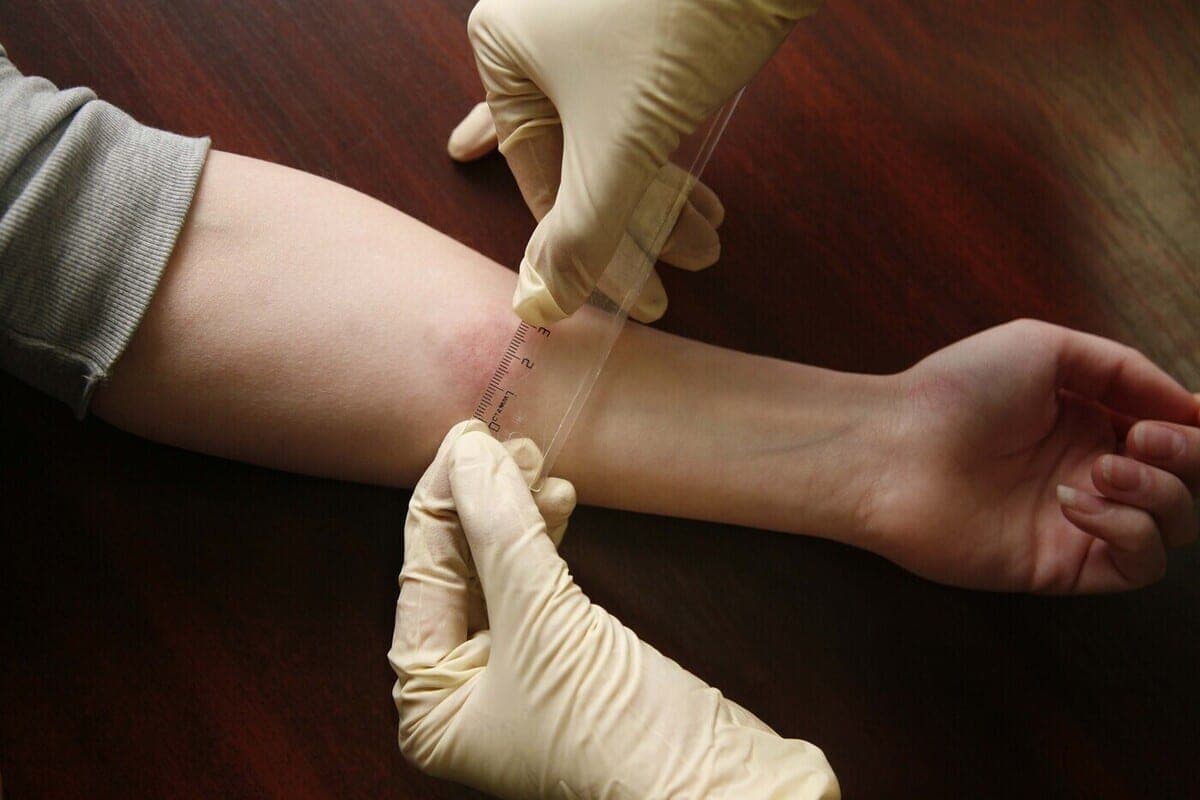
This muscle extends from the inside of the forearm to the palm. It’s used whenever you bend your wrist—typing on a keyboard, opening a jar, writing, and more—but up to 25 percent of people were born without it, the New York Post tells us, and advises that to see if you have that muscle, hold your palm flat up. Bring your fingers together, and if a thin tendon passes right under your palm in the middle of your resting position, it's a long palm muscle.
Strangely enough, a muscle may be on one side but not the other, while others may have several on one arm. Researchers believe we developed this muscle to climb trees and swing on branches. Now that we are no longer doing this, researchers have found that the absence of this muscle has no effect on our strength.
6. Plantar muscle, leg muscle
Like the long palm muscle, the plantar muscle is a small thin muscle that runs along the back surface of the lower leg. You may have heard of a “tennis leg” when that muscle ruptures, often at the same time as a large calf muscle ruptures. This causes acute pain and even crunch in the caviar. It is estimated that between 7% and 16% of people will never experience this problem because they were born without it. While most experts have long considered this muscle useless in principle, others suggest that using it goes beyond strength and helps us maintain balance, posture and movement.