
Don't give millions to children: the psychologist explained why it ruins their future
We are used to sacrificing everything for the well-being of children, but is it worth it?
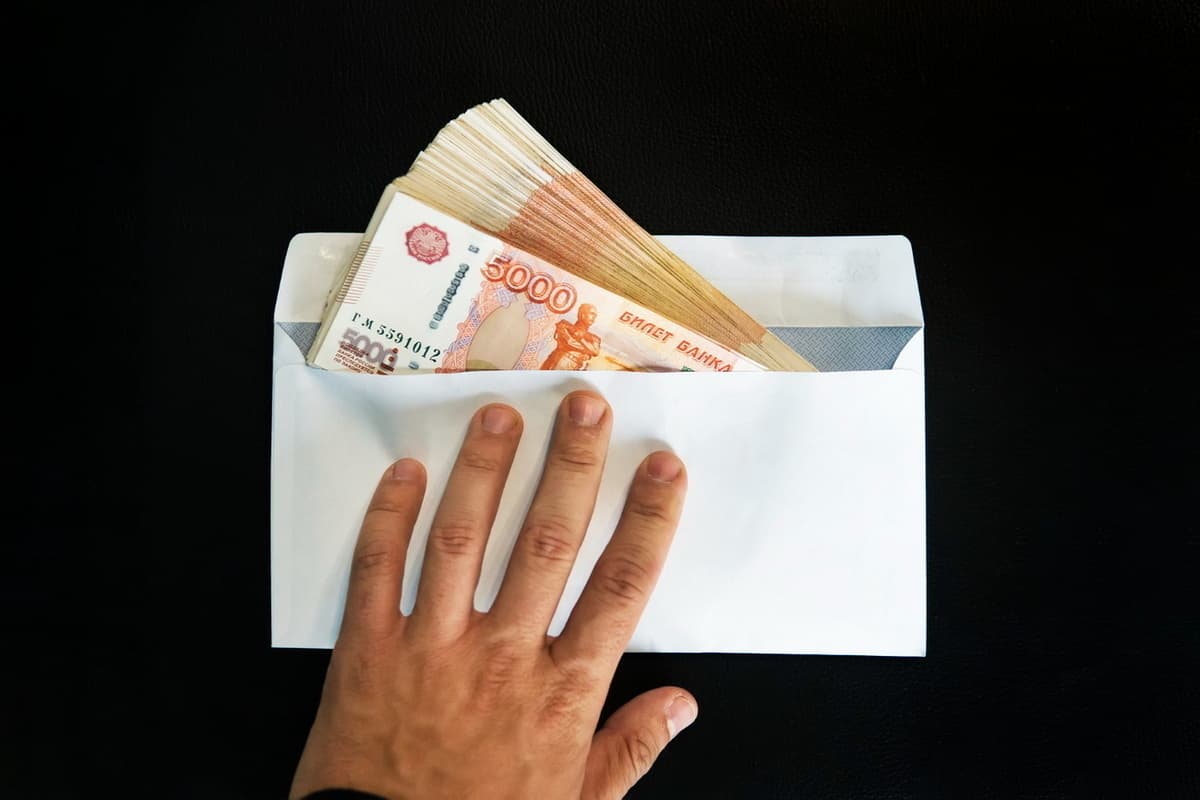
Millions of parents have been saving on themselves for years in order to give the child a large amount of money or keys to the apartment by the age of majority. But psychologists and financial advisers warn that such generosity is often a disservice.
Why does this happen? The brain perceives suddenly received money as a bonus that can be easily and quickly spent on entertainment, and not as a start-up capital. And the donated apartment, instead of becoming a springboard for a career, often turns into a "comfort zone". Why bother, look for a job to your liking or grow professionally if the basic need for housing is already closed? As a result, ambitions fade, and the young man risks getting stuck in a low-paid position without the desire to develop.
How to act wisely? Experts recommend a co-financing rule. Want to help with a down payment on a mortgage, education, or starting your own business? Great. But let the child save at least 30-50% of the required amount. Parental money in this case becomes not a freebie, but a reward for responsibility and an amplifier of personal efforts.
And the most important rule, which is often forgotten: “Put an oxygen mask on yourself first.” Provide your own decent pension before giving everything to children. Financially independent parents are the best gift for posterity. After all, elderly mom and dad without savings eventually become a heavy financial burden for those whom they tried so hard to provide in their youth.
Life hack from behavioral economists: give your savings account a friendly name (for example, "To Masha's University") and set up autopayments. The brain is much more careful about money for a specific purpose, and regular small amounts work more reliably than vague promises to "save a lot later," the KP writes.