
Nicodemus day 13 November: what bans and omens associated with the holiday
On Friday, November 13, 2026, according to the national calendar, Nicodemus Day is celebrated
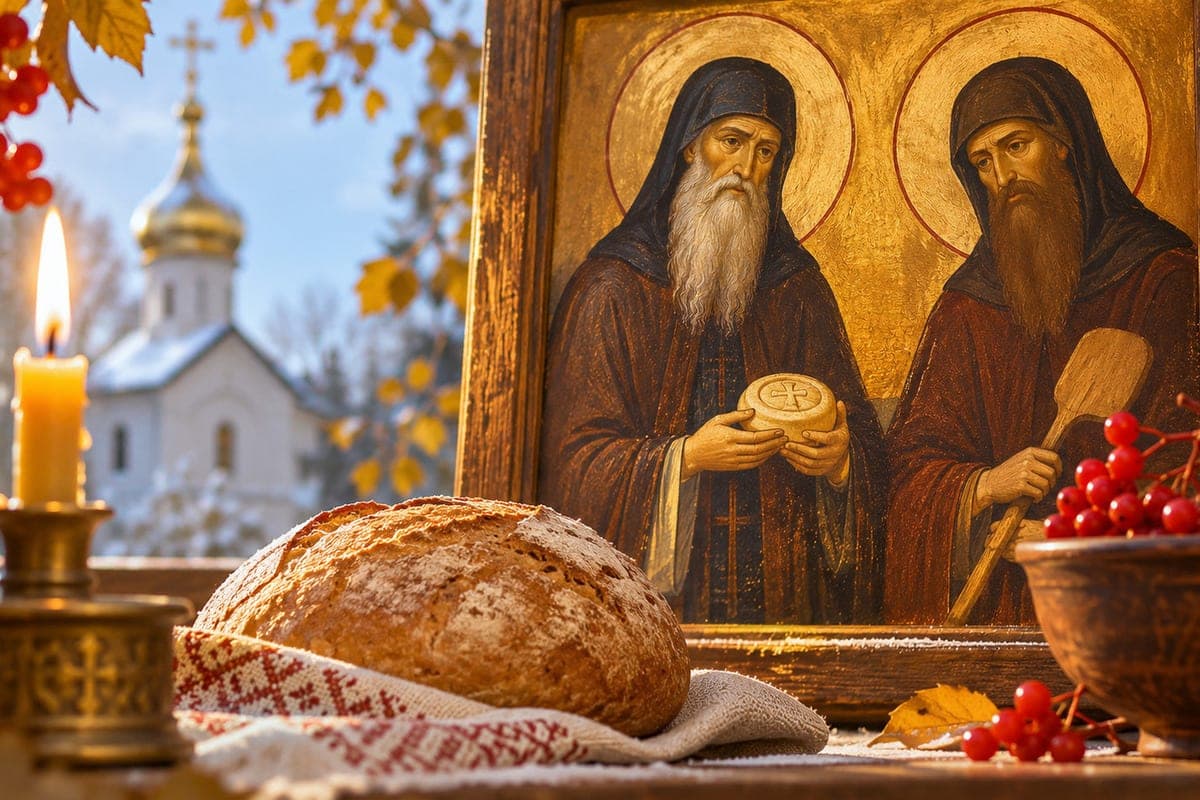
On Friday, November 13, 2026, according to the national calendar, Nicodemus Day is celebrated. The Orthodox Church remembers the Monks Spiridon and Nicodemus, the prosphorics of the Pechersks. This date is associated with many ancient beliefs concerning money, household chores, travel and weather. People believed that some actions on this day can cause trouble.
The Monks Spiridon and Nicodemus lived in the Kiev-Pechersk monastery. According to the church tradition, Spyridon came to the monastery in adulthood, unable to read and write. Later he memorized the Psalter and read it daily, combining prayers with monastery work.
With the blessing of the abbot Pimen Spiridon was engaged in baking prosphorus, which are used during divine services. His assistant was Nicodemus. They worked together for thirty years.
The name of Spiridon is associated with the legend of a fire in a monastery bakery. When the fire engulfed the roof, the monk closed the oven with his robe, and carried the water for extinguishing in the tied sleeves of his hair. According to life, the fabric was not damaged by the flames, and the water did not spill. Therefore, saints are traditionally prayed to protect their homes from fires.
November 13 is also known as the Autumn Wire. By this time, the main field work was completed, and the farms were preparing for the winter cold. Domestic poultry was transferred to insulated rooms, fishermen went to winter fishing. There was also a custom to bypass the house with a lit candle, in order, according to legend, to protect the family from trouble.
A special place in the traditions of Nicodemus day was occupied by prohibitions. It was believed that on November 13, it is impossible to quarrel and clarify relations, otherwise the conflict may last for a long time. It is not recommended to lend or borrow money, as well as make large purchases. Ancestors believed that such actions can lead to financial losses.
After sunset, they tried not to take out garbage from the house, fearing that they would lose their well-being along with it. It was not recommended to leave empty dishes on the table, since they were associated with need. Found on the ground torn off button was also bypassed: there was a belief that with it you can take someone else's troubles.
Other prohibitions included early climbing, starting new businesses, and long journeys. All of these restrictions apply exclusively to popular superstitions and have no scientific evidence.
At the same time, the day was considered suitable for preparing housing for winter, insulation of household buildings and other household chores. Believers could visit the temple and pray to St. Spyridon and Nicodemus. Fishermen traditionally associated the first catch with luck, and the money from the sale of the first fish was sometimes donated to church candles.
We watched the weather on November 13. If the sun warmed at noon, a strong wind was expected in the next three days. The warm weather throughout the day, according to signs, foreshadowed a mild and snowy winter. The absence of frost was associated with a late cold snap, and a large amount of dirt on the roads was considered a sign of a mild winter.
Singing snowmen perceived as a harbinger of rapid cold. If other birds were actively casting their voices, they would say they were calling for winter.
Some beliefs related to dreams. It was believed that sleep on the night of November 13 can be fulfilled within two weeks. The fish seen, according to popular interpretations, foreshadowed replenishment in the family, and the lost button was perceived as a warning of trouble.
The names of November 13 are celebrated by Alexander, Vsevolod, John, Leonid, Mavra, Nicodemus, Sergius and Spiridon.


