
Next articleNovember in the garden: why roses can not be covered in the first snow
"It's started," the townspeople think unjolly, looking at the lead November puddles and the first snow
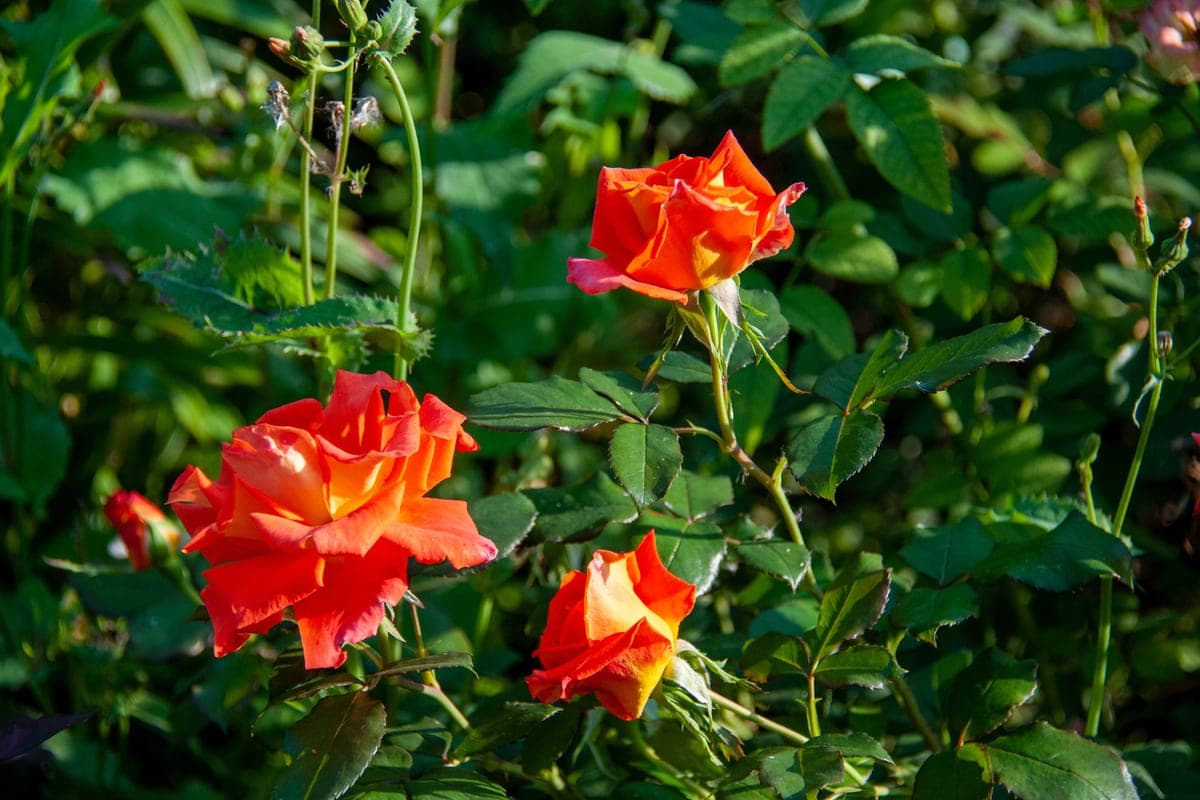
But, unlike the Prince of Denmark, they must be answered with specifics. So, at night temperatures of -1 ... -3 ° C to shelter roses and other heat-loving crops is too early. Light night frosts are a natural stage of plant hardening. They need time to prepare for the winter. Early shelter is fraught with banishment (because of it, roses hurt more in the cold period than from other reasons). Under the nonwoven material, a greenhouse effect is created, the bark and kidneys suffocate, and on warm days, growth can start right before real frosts.
"I wouldn't rush with a capital shelter," says an agronomist, a leading specialist in the ornamental and fruit nursery of plants Larisa Kravtsova. The main reference point for roses is stable night frosts around -5. -7 ° C, when the top layer of soil freezes by 2-3 cm, and the temperature is about zero during the day. For roses, hydrangeas and clematis, this is the case. Grapes are covered a little earlier, at -5 ° C and below. If the frost increases to -2... -3 °C, young seedlings and hydrangeas can be temporarily shaded with a spunbond without touching the leaves, but it is premature to put the capital shelter.”.
Remark: if the site is in a lowland, near a reservoir, then the humidity can "lower" the temperature by another 1-2 degrees. This is especially worth paying attention to during frequent fogs: it is colder with them!
Now it is useful to carry out sanitary pruning: the roses to remove unripe shoots and remaining leaves, collect a fall from the ground. The fruit can be removed thickening and diseased branches, smeared with garden brew (in dry weather). Dump water from barrels, hoses and irrigation systems, remove the tool, if it did not work before.
Surrounding with constantly moist soil and the first snow is not necessary, and wet earth is harmful.
- Surrounding works only on dry ground and slightly frozen upper layer, explains the agronomist Kravtsova. If you throw wet ground, it freezes in a coma or ice crust: the bark and kidneys suffocate, precipitation and rot begins. On plus days, a wet hill can also provoke growth.
It is necessary to wait for the temperature to set near zero during the day, and at night -3. -5 ° C, and the upper 2-3 cm of soil will be grabbed by the morning crust. For steeping, it is better to take imported dry soil, peat or a mixture of earth with sand. Snow is already on the ready-made "heaps" lashed after sustained frosts.
But the tips flashing here and there “not to be late” with biofungicides, in fact, were late. Beneficial bacteria and fungi are active only at +10. +15°C.
- Drugs such as "Phytosporine" and "Trichodermin", at +3 ... +5 ° C - a waste of money, and with a minus of drops just freeze, - says the agronomist. Instead, on a dry windless day, use contact treatments: iron vitriol 3-5% (300-500 g per 10 l), copper vitriol 2-3% (200-300 g per 10 l). Iron sulfur is good to treat the shoots of roses and grapes before shelter - this will protect against undermining in the winter thaws. Do not mix iron and copper sulfur together.
Life hacks and tips for a wet-warm November:
In the lowlands, dig shallow grooves to drain water.
A lot of mulch is not necessary: a thick layer of sawdust or straw with dampness causes abrasion. It is better now to abandon mulch altogether or leave 1-2 cm of dry peat without touching the trunks.
Shelter make only frame and ventilated: arcs, spunbond 60-100 g / m2 in two layers, air cushion at least 10 cm. Do not use polyethylene.
Do not seal the bushes tightly, advises Larisa Kravtsova. Leave the ends open or lift the material during warm hours: free air circulation is more important than additional heat.
Important: to remove leaves from under trees and bushes as much as possible is the best environment for rot. Cut the hydrangeas, leaves and trunks of perennials. Under them also winter pests and their larvae, they are also a breeding ground for bacterial infection.


