
Fire underground: why peat fires in Indonesia are impossible to extinguish
Disaster elimination specialists and climatologists explained the reasons for the inability of hundreds of fire crews and aviation to cope with large-scale forest fires on the islands of Sumatra and Kalimantan, enveloped in Southeast Asia toxic smog
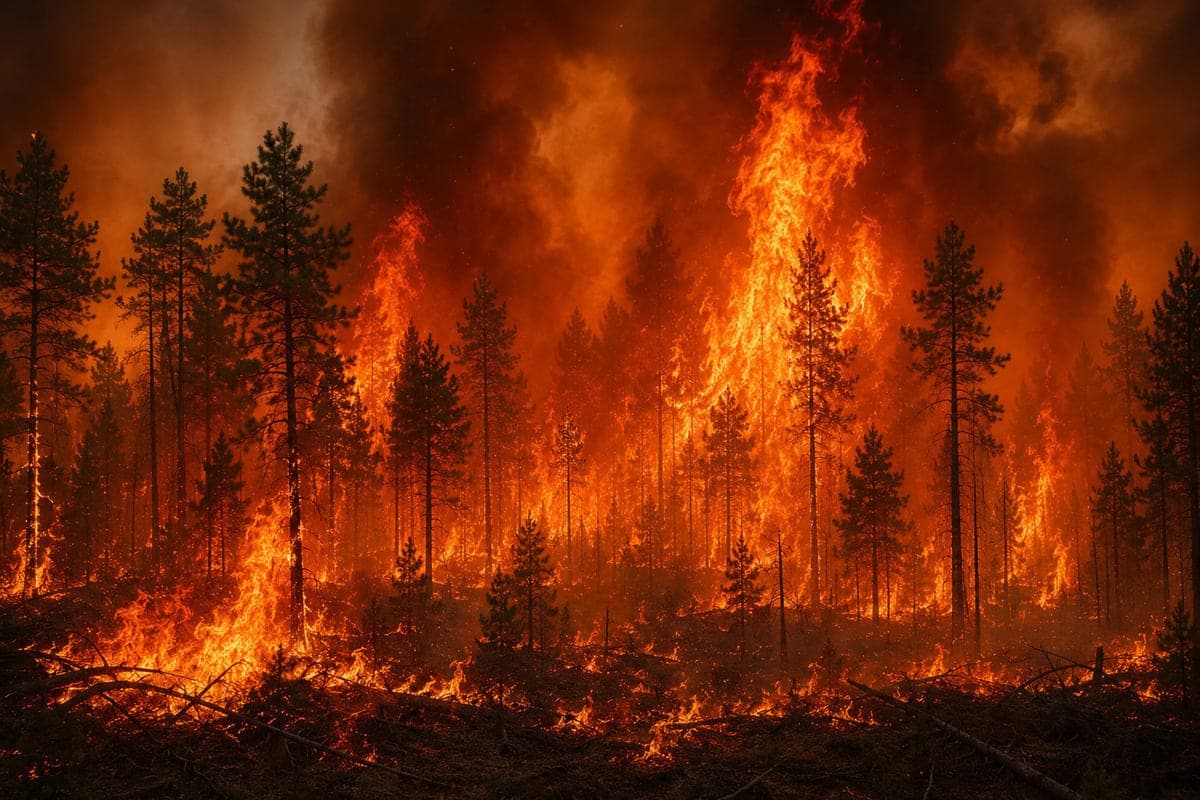
Disaster elimination specialists and climatologists explained the reasons for the inability of hundreds of fire crews and aviation to cope with large-scale forest fires on the islands of Sumatra and Kalimantan, which enveloped Southeast Asia in toxic smog. The main difficulty lies in the specifics of the burning of drained peat soils, where the flame does not spread over the surface, but smolders underground at a depth of one to one and a half meters.
Studies show that surface discharge of water from aircraft and short-term showers wash away smoke from the atmosphere for only a few hours, without penetrating into the dense dried layers of organic matter. Complete suppression of underground smoldering requires at least 4 mm of precipitation per hour for continuous weeks, which is not possible in the conditions of a blocking drought.
In addition, in the disaster areas, natural reservoirs used by ground rescue teams for water withdrawal have dried up. Experts say that the smog crisis will last until the onset of the monsoon season.
Putin called the Russian language a powerful force to unite the CIS countries