OSAGO in Russia may become cheaper: the Central Bank proposed to reduce the minimum tariff
Russian motorists who have been without accidents for years can be able to pay much less for OSAGO
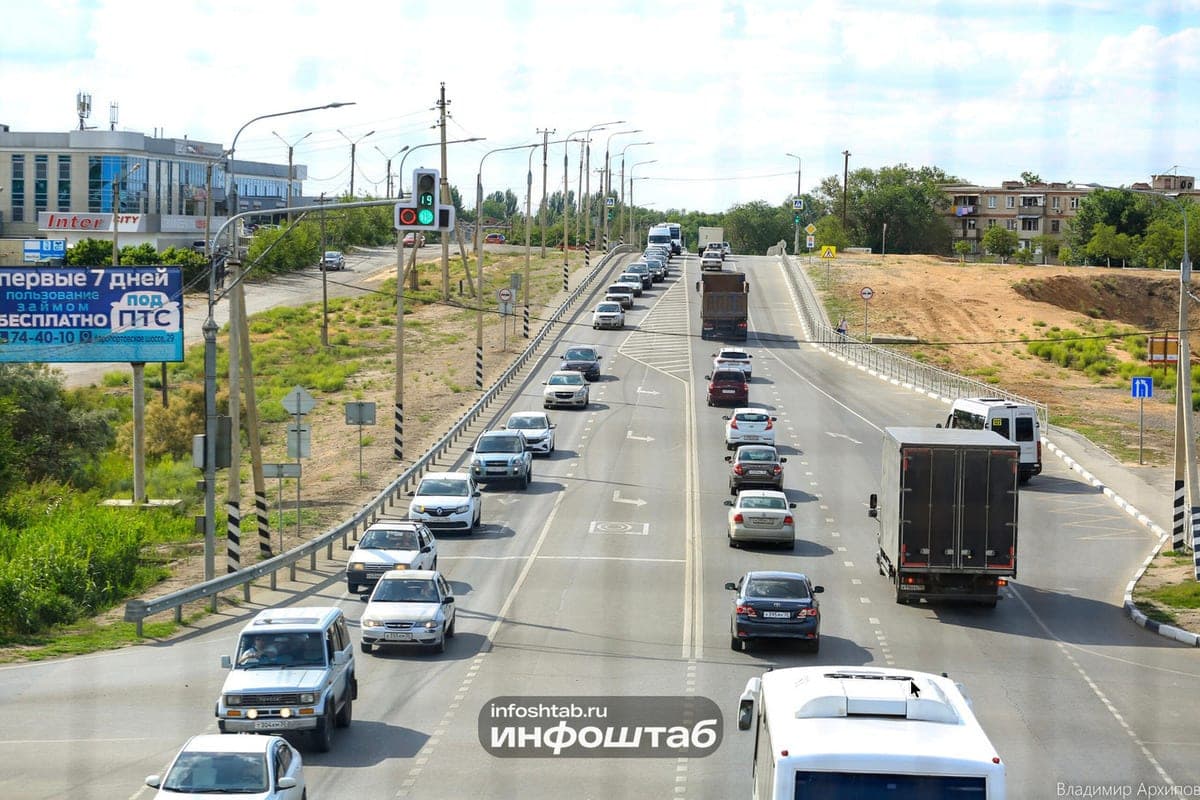
Russian motorists, who have been without accidents for years, may be able to pay much less for OSAGO. The Bank of Russia proposed to radically change the lower limit of insurance tariffs, setting it at a symbolic level – only one ruble.
We are not talking about a fixed cost of the policy, but about the minimum base rate from which insurance companies calculate the final price of insurance. If the initiative is approved, insurers will be able to offer more favorable conditions to drivers with a good insurance history.
Now the cost of OSAGO is formed within the established by the Central Bank tariff corridor. Even if the motorist for many years does not become the culprit of an accident, the insurance company can not lower the base rate below the current minimum.
The proposed changes should remove this limitation. Insurers will be able to set lower rates for customers who rarely get into crashes and are considered less risky.
According to the above data, almost 80% of OSAGO policies are issued by drivers with a trouble-free history. It is this category of motorists that could potentially benefit from a tariff overhaul.
At the same time, for drivers who regularly become the culprits of an accident, a significant reduction in the cost of insurance is not expected. Their policies can still cost significantly more because of increased insurance risk.
It is important that the proposal of the Central Bank does not mean the emergence of OSAGO for one ruble for everyone. The final cost of the policy depends not only on the basic tariff, but also on individual coefficients, including the insurance history of the driver.
So far, it's just about initiative. The current rules for calculating CTP remain until the approval and entry into force of the relevant changes.
If the proposal is accepted, Ulyanovsk motorists with accident-free experience will be able to count on more flexible offers from insurance companies. However, the exact amount of possible savings is still unknown.