
Autumn on the road: the traffic police reminded drivers and pedestrians of safety rules
The State Traffic Safety Inspectorate in the capital reminded drivers and pedestrians about the peculiarities of traffic in the autumn period and talked about safety rules. This was reported in ...
The State Traffic Safety Inspectorate in the capital reminded drivers and pedestrians about the peculiarities of traffic in the autumn period and talked about safety rules. This was reported in the UGAI of the Main Department of Internal Affairs of the Minsk City Executive Committee , writes sb.by.
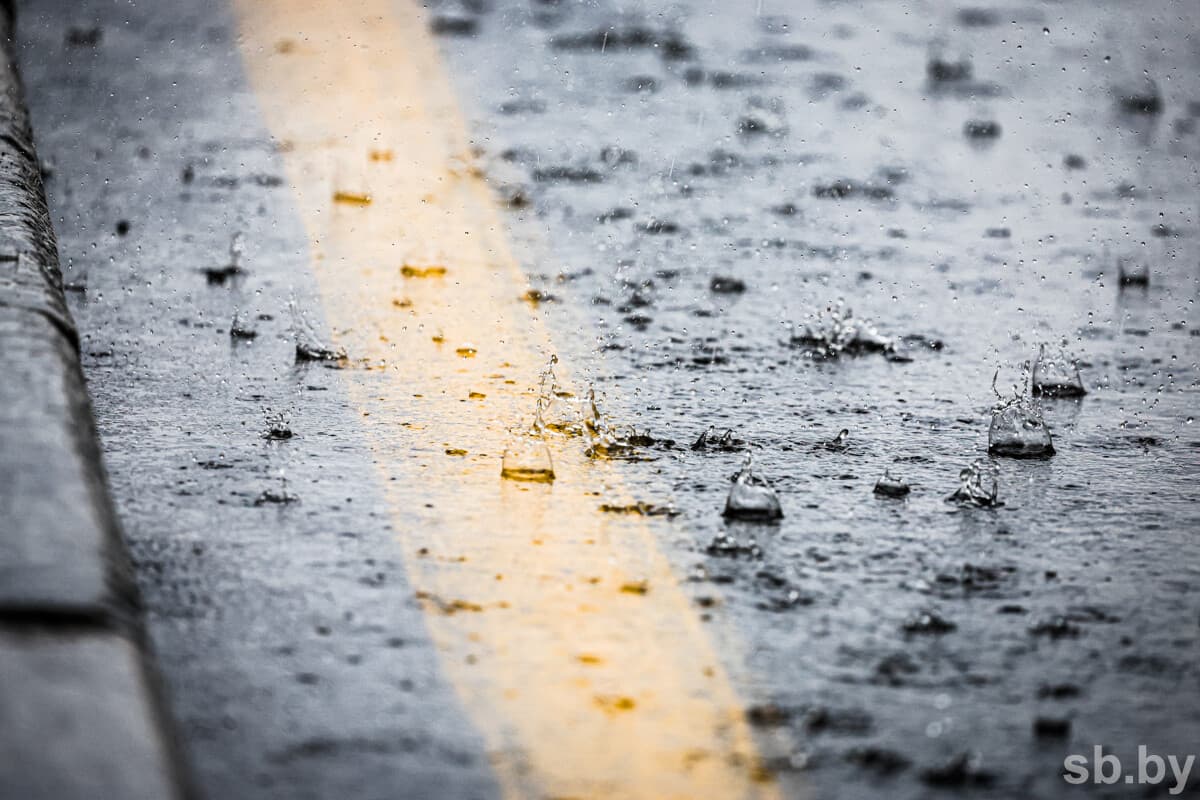
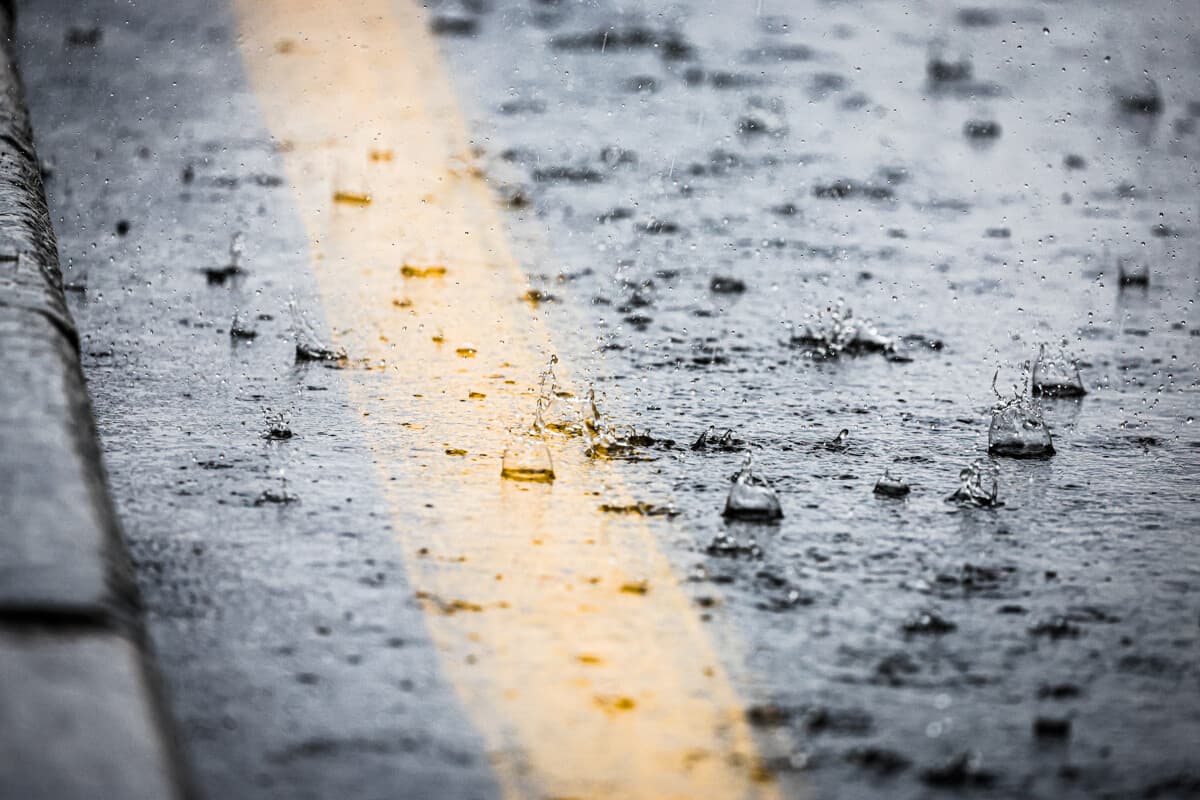
Wet Asphalt Flat
The stopping distance on a wet road increases by 1.5-2 times. The water creates a film between the tires and the asphalt, which degrades traction.
Pedestrians should make sure that drivers notice them and have time to slow down. Drivers are advised to switch to a "winter" driving style — press the gas and brake pedals smoothly.
Foliage and rain
The wet leaves on the road make it slippery. The coefficient of adhesion of the wheels to the road decreases, and the braking distance increases significantly.
Drivers are advised to reduce the speed to a minimum on turns and descents, and pedestrians — to be careful, before crossing the roadway, make sure of safety.
Twilight & Fog
In the fog and dusk, it seems that the car is far away, even when it is already near.
Pedestrians with poor visibility should use retroreflective elements. Drivers see pedestrians without a flicker at a distance of 20–30 meters, with it — 400 meters.
Motorists should turn on fog lights and reduce speed.
Puddles
A puddle can hide a deep pit or markings. If you fly into it at speed, water hammer and engine failure can occur. Therefore, drivers should slow down in front of the water, and pedestrians should bypass deep puddles.
Blinding Sun
Low autumn sun hinders drivers in the morning and evening. Pedestrians should cross the road only after eye contact with the driver. Motorists need to slow down before a pedestrian crossing.