
In autumn, eat cakes with mushrooms, but remember about safety: how to properly process, cook and store forest crops - 5 gross mistakes
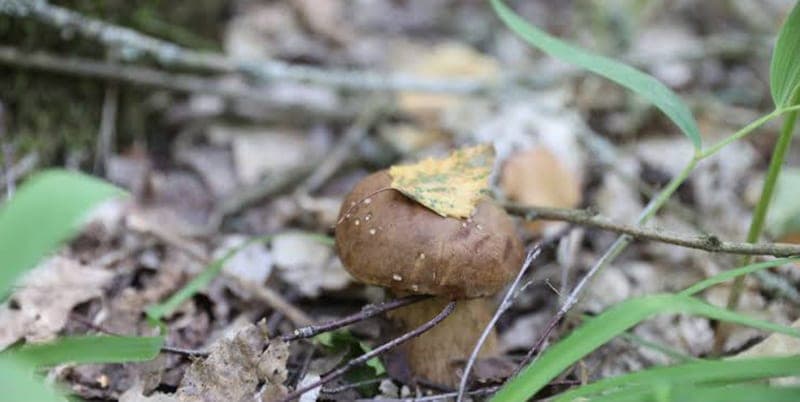
Picking mushrooms is only half the battle. The real challenges begin in the kitchen. Mushrooms have a unique biochemical structure: they have no protective skin, they have a high “breathing” of tissues and are composed of 85-95% water. This makes them an ideal environment for bacterial reproduction and rapid destruction. To preserve the benefits, taste and, most importantly, the safety of the product, you need to know what to do with the “gifts of nature” after returning from a quiet hunt.
Mushroom cheat sheet
Temperature Rule (0...+4°C)
According to research in the field of crop processing technologies, the optimal temperature for storing wild mushrooms is from 0 to +4 ° C with a relative humidity of 85-95%. If you reduce the temperature from room (+25 °C) to store (+3 °C), it will slow the visual darkening of mushrooms by 75%. At a temperature of +5 ° C and above, the safe storage period is reduced to 1-2 days due to the growth of microflora inside the fungus.
Dry cleaning instead of washing
Scientifically proven: fresh forest mushrooms before storage is strictly prohibited. The porous structure instantly absorbs excess moisture, which will accelerate the development of mold and putrid bacteria. Clean the mushrooms dry way - brush or cloth. This sanitary norm is officially confirmed by the Ministry of Health of the Republic of Belarus in the official memos of the Republican Center for Hygiene, Epidemiology and Public Health: any contact with water is allowed strictly before direct cooking, otherwise excess moisture and bacteria from microscopic soil residues will instantly spoil the forest harvest in the refrigerator.
Breathing packaging
Never cover fresh mushrooms in sealed plastic containers or bags. Condensation will destroy the product in a matter of hours. Use paper bags or open containers. Wild mushrooms must be processed within 12–24 hours after harvesting. If they were collected in rainy weather, their biomass is already saturated with moisture, and storing them raw can be hazardous to health.
Heat treatment: cook or fry?
Heat treatment solves two problems: destroys hard chitin mushrooms – which interfere with the absorption of proteins – and reduces the level of endogenous toxins.
What's going on with vitamins?
Researchers from the National Academy of Sciences of Belarus confirm that the method and duration of temperature treatment critically affect the biological value of fungi. According to biochemical analyses published in the scientific materials of Polesie State University, wild mushrooms of Belarus are the richest source of amino acids, but prolonged boiling leads to the destruction of part of the enzymes and the leaching of valuable water-soluble compounds and sugars into a decoction. To preserve easily digestible protein and carbohydrate complex, scientists recommend the use of gentle temperature treatment or freeze drying, excluding long contact of the product with boiling water.
Boil, drain, secure. Why can't we delay?
Mandatory culinary treatment of wild mushrooms is the main requirement of public and personal safety. According to official recommendations on the portal of the Sanitary and Epidemiological Service, forest mushrooms require immediate heat treatment on the day of collection. Specialists of the department emphasize that the boiling of wild mushrooms should be carried out with mandatory subsequent draining and removal of the decoction, since this allows you to transfer endogenous toxins, bitter milk juices and accumulated harmful substances into water, guaranteeing the safety of the finished product.
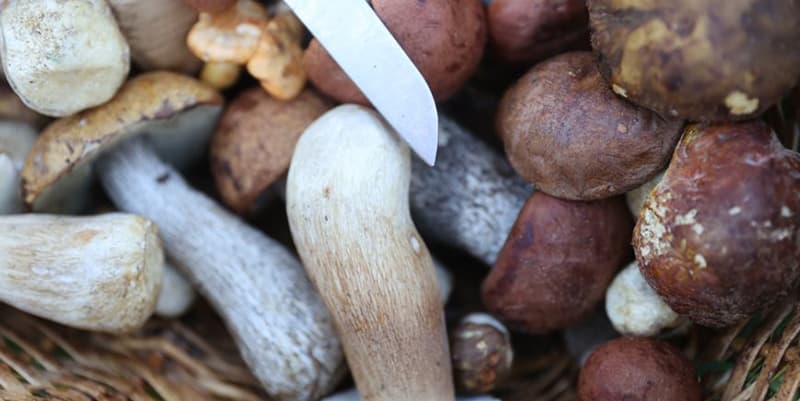
Preparation for the winter: drying against freezing
Processing method
Influence on composition
Scientific requirements for the process
Drying (Dehydration)
The most gentle method. Maximum preserves proteins, carbohydrates and concentrates antioxidants.
The optimum drying temperature is 55-60°C. Higher destroys vitamins and leads to the hardness of the capillaries of the fungus.
Freeze
It retains carbohydrate composition, but leads to loss of aromatic substances and changes in texture.
Forest mushrooms must be boiled before freezing. In raw mushrooms, enzymes continue to work even at -18°C. Because of this, cheese-frozen mushrooms after thawing often become “rubber” and bitter.
But pickled mushrooms can be harmful to health due to the high content of vinegar and salt, which irritate the stomach mucosa and retain fluid in the body. Choose other methods of heat treatment that allow you to save more nutrients without aggressive additives and unnecessary load on digestion.
Forest lifehack
After collection, immediately go through the mushrooms in a dry way and put them in the refrigerator in a paper bag for a maximum of a day. For use in the near future, it is better to quickly roast or bake the product, as this is the most useful. When harvesting mushrooms from questionable collection sites, be sure to cook them with a drain of water at least twice. For winter supplies, dry the mushrooms at 60°C or blanch before freezing. When creating home sunsets, completely abandon sealed metal covers, preferring a capron, sufficient acidity of the marinade and cold.
Material prepared by Maria Sandrozd
Photo: BELTA


