
Autumn life hack for lazy summer residents: how to turn a mountain of leaves into “black gold”
Every October, a strategic supply of fertilizers is under our feet
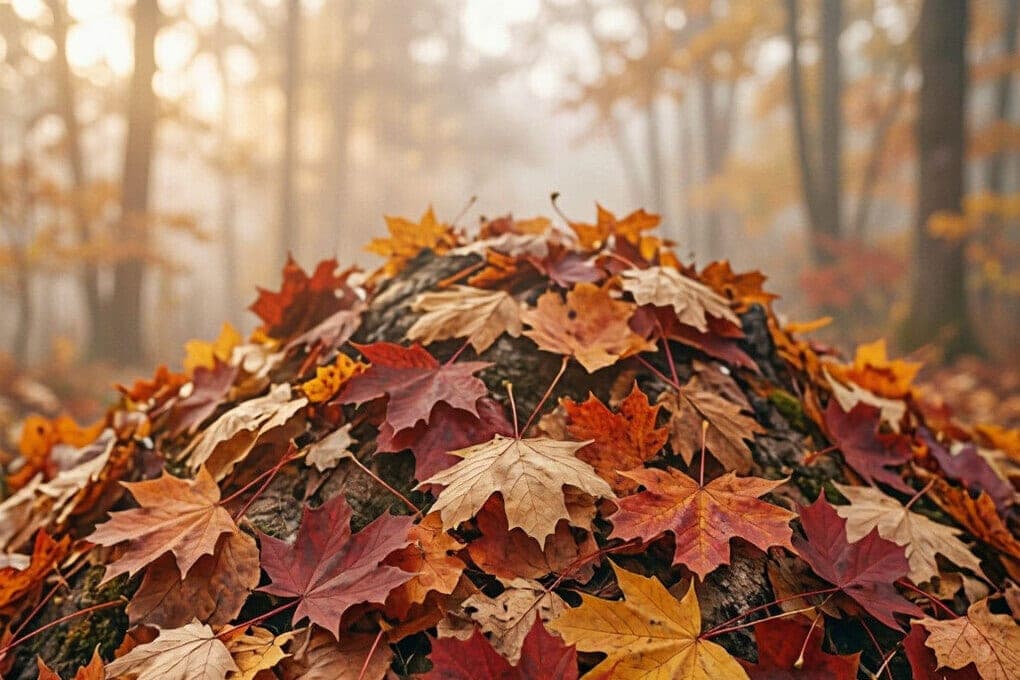
“Blue blood” of the garden: which leaves go to work, and which – to “link”,
Not every fall is equally useful. Specialists of the Rosselkhozcenter warn: only healthy material is suitable for processing without signs of diseases and pests. The best “work force” for a compost heap is apple leaves, pears, cherries, linden, maple and birch. They decompose relatively quickly and give the soil nutrients with pleasure. But oak, nut and chestnut are the garden aristocracy. They contain a lot of tannins (tannins), which preserve organic matter like pickled cucumbers. We do not throw them away, but show respect: grind with a lawn mower or garden shredder and add no more than 20% to the total weight.
Prepare correctly: breathe deeper, stir more often,
The main mistake of beginners is to dump the leaves in a pile and forget about them for a year. As agronomists joke, “If you just fold the leaves and leave, by spring you will not get fertilizer, but last year’s salad – lethargic and useless.”.
For the process to go, you need three things: air, moisture and nitrogen. Periodically stir a bunch of pitchforks - this will not allow the leaves to converge into a dense "cake". The mass should be slightly moist, like a squeezed sponge, but not wet.
The easiest way to speed up the “reactor start-up” is to add freshly cut grass, healthy top, or kitchen plant cleanses. Nitrogen in their composition will make microorganisms work with double energy. If you don't have time to stir a bunch often, cheat. Experts have long advised putting the leaves in black trash bags. Make holes in them for ventilation, pour the contents with a solution of urea (two tablespoons per ten liters of warm water) and tie tightly. By spring, you will get ready nutrient soil.
Universal recipe "from the agronomist",
Agronom Margarita Mayevskaya shares a feature for those who want not just compost, but a real warm bed: “While the leaves are rotting and rotting, a large thermos is obtained, for seedlings it is beautiful.” Such a "biological heater" will not only provide nutrition, but also warm the roots of young plants in the cold May. How do you know if the gold is ready? Professionals determine the readiness of humus according to three signs:
1. The color is dark brown, almost black,
2. The structure is loose, crumbly, without recognizable outlines of leaves.
3. The smell is fresh, earthy, smells of spring forest.
Maturation takes from six months to two years. But do not rush events - like good cognac, leafy humus requires aging. And remember: if the trees this year were sick, their foliage is better not to use for mulch under the same crops, and send to a separate composter or for specialized processing. A healthy garden starts with a clean head and properly disposed leaves.


