
Stops in the Bryansk region will be divided into three categories according to the new GOST
The standard prohibits placing stops in dangerous and poorly lit places.
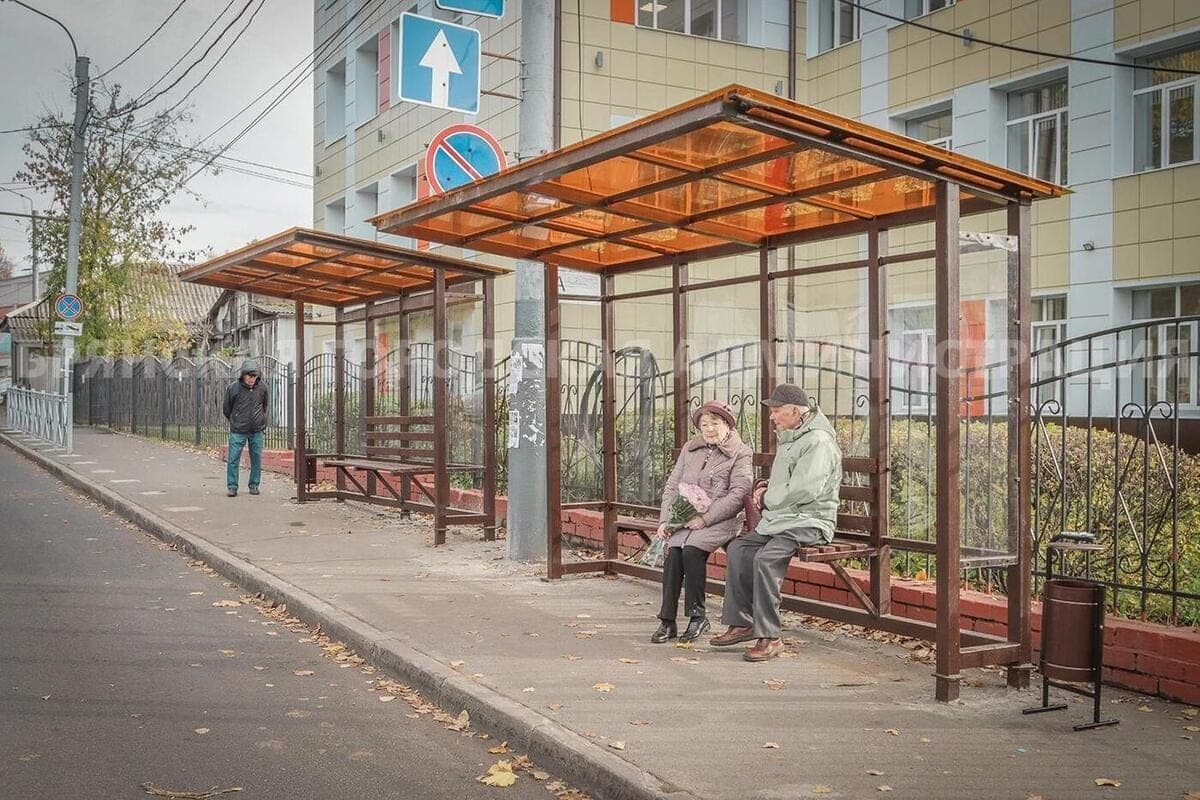
From November 10, a new GOST begins to operate in Russia, including in the Bryansk region, setting requirements for public transport stops. They will be divided into three categories depending on the number of passengers passing through the stop per day.
The basic category will include stops with passenger traffic of less than 100 people per day. An improved category is provided for objects used by 100 to 500 passengers, and an expanded category is provided for stops with a flow of more than 500 people.
Each category has its own set of equipment. At improved and expanded city stops, it is recommended to install Wi-Fi, charging stations for phones and emergency communication facilities. Video surveillance is also provided at the transfer hubs.
The standard regulates the placement of stops, the distance between them, the design of landing sites, lighting and informing passengers. In particular, it is recommended to place stops no further than 250 meters from places of attraction of people. When transferring between routes, the distance between stops should not exceed 120 meters.
GOST also sets requirements for the availability of the environment. Pavilions should provide space for children and wheelchairs with a size of at least 0.9 by 1.2 meters. For people with visual impairments, tactile pointers and sound orientation systems are provided.
In addition, the standard prohibits placing stops in dangerous and poorly lit places. For additional protection of passengers it is allowed to use special road limiters.


