
From high fever to pneumonia: What you need to know about Tokyo's new influenza B strain
Among the main dangers of the Tokyo strain are serious complications
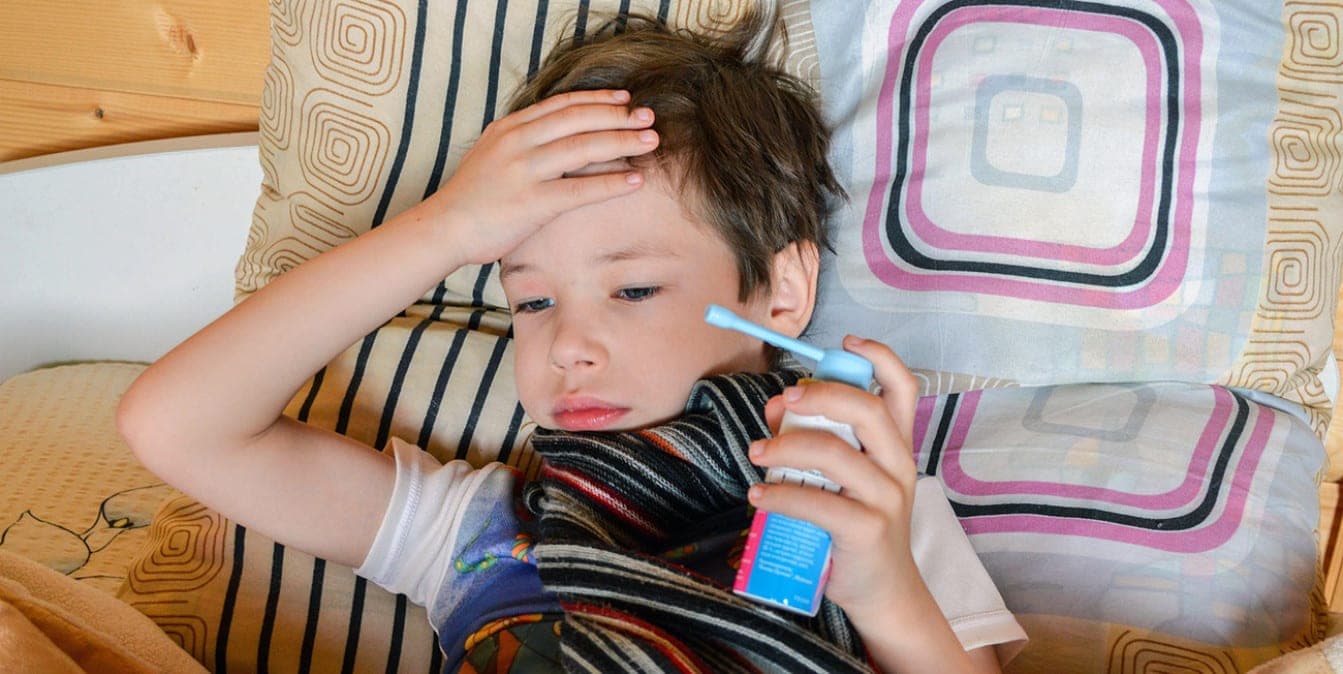
In the fall of 2026, a new strain of influenza B called Tokyo is expected to arrive. Unlike influenza A viruses, which trigger the first wave of illness in late autumn, this strain will come later. According to the forecast of Rospotrebnadzor, the peak of the second wave will be at the end of February – early March 2027, which may make the flu season more protracted, but these terms may shift. This is reported by “Arguments and facts”.
Influenza B has a pronounced age specificity: children and adolescents most often suffer from them, although adults may also be vulnerable to the updated strain. At the same time, it causes the most severe complications in children, the elderly, pregnant women, people with chronic diseases of the heart, lungs, kidneys and diabetes, as well as in people with weakened immune systems and medical professionals.
Among the main dangers of the Tokyo strain are serious complications. These include pneumonia, bronchitis requiring long-term treatment, myocarditis (inflammation of the heart muscle that can cause rhythm disturbance), otitis, especially dangerous for children, and false croup - laryngeal swelling, which can lead to difficulty breathing. Although influenza B is considered less contagious than influenza A, it can be severe.
Symptoms of the new strain are practically no different from the classic picture of influenza A or other SARS, including COVID-19. These include high fever (up to 38-40 °C) with chills, severe headache and muscle pain, body aches, severe weakness, dry cough, sore throat and nasal congestion. It is impossible to determine a specific type of virus without laboratory testing.
The main way of protection is vaccination. In the season 2026-2027, the current component B/Tokyo/EIS13-175/2025 has already been included in the composition of Russian influenza drugs, which will form immunity against this strain.
Read also:
Why ARVI clings even after recovery, explained the doctor
“Immediately get vaccinated!” is a trap: scammers steal money through “registration”
Winter is coming. Vaccination begins in Belarus
Photo: Pixabay


