
Pavel Ledostav November 19, 2026 - what can and cannot be done, traditions and signs
On Thursday, November 19, 2026, Orthodox believers remember St. Paul the Confessor, Archbishop of Constantinople
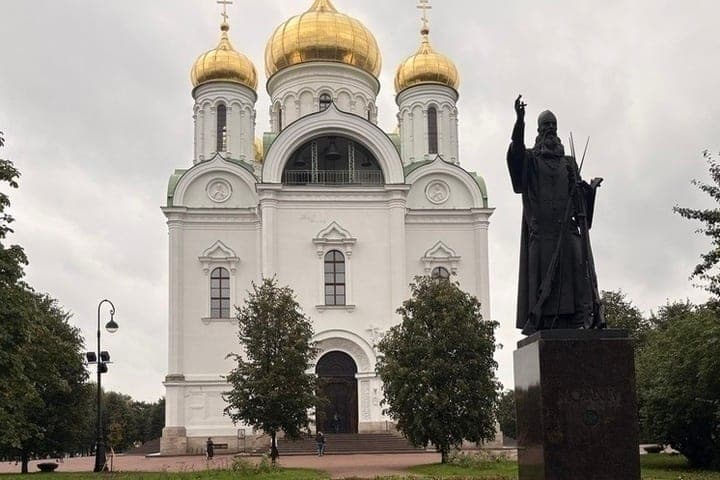
The Church: Who is Paul the Confessor
Saint Paul lived in the fourth century and was elected Archbishop of Constantinople after the death of Patriarch Alexander. His ministry came at a time of sharp religious differences caused by the Arian heresy. Paul firmly adhered to the Orthodox doctrine, for which he was repeatedly expelled from the pulpit and sent to exile.
The last exile became fatal: the saint was sent to the Armenian city of Kukuz, where during the liturgy he was attacked by Arians and strangled with his own omophorion. It happened around 350. The Church glorified Paul as a confessor - a saint who openly confessed the faith during the persecutions, but did not accept a martyr's death.
In Russia, Paul the Confessor was revered as the heavenly patron of the Navy: in 1797, a church in the name of the saint was consecrated at the Naval Cadet Corps, where relics related to the history of the fleet were collected.
Folk traditions: Pavel Ledostav
By November 19, the first strong ice was already rising on the reservoirs, which did not melt until spring, hence the name of the day. For peasants, this meant the end of autumn fishing from boats and the beginning of preparations for ice fishing.
The main tradition of the day is to check the ice and prepare gear. Men came ashore to appreciate the fortress of the shell, and fishermen inspected and repaired the tackle. To appease the “owner of the reservoir”, a handful of oats, bread or a coin were thrown into the hole.
Women on this day were engaged in baking: the hostess baked ritual cookies in the form of fish and ice caps, which were given to children and fishermen. On the tables appeared fish dishes - ear, pies with fish, and meat tried not to eat, believing that heavy food before winter can bring illness.
Also on Pavlov day it was customary to restore order in the house, to wear only clean clothes - it promised prosperity and luck. It was considered a good thing to gather the whole family at the table and visit relatives.
Weather records for November 19
According to popular observations, the weather on this day predicted the nature of winter:
If the ice on the reservoirs is smooth, the harvest of bread will be poor, and if lumpy - rich.
Heavy snowfall on November 19 foreshadowed a snowy and frosty winter.
Windless weather - to fast severe frosts.
The crows circling in the sky - to the imminent snowfall, and the birds sitting stooped on the branches - to the cold and wind.
A clear starry sky - to severe frosts.
What to do on November 19th
The Church does not set strict domestic prohibitions on this day, but believers are recommended to spend it in prayer and good deeds. In the folk tradition, Pavlov Day was considered suitable for household chores, communication with loved ones and preparation for winter. A good sign was to wear a new thing or just clean clothes - it attracted good luck.
What not to do on November 19th
With Pavel Ledostav there are several strict prohibitions that our ancestors observed:
You can’t lend or borrow money – it could lead to financial problems.
Women were not advised to do hand-washing and heavy work – it was believed that it could cause illness.
Do not wear old or dirty clothes - it promised a hard winter with hassle and need.
It is forbidden to be angry, hold grudges and think about revenge - such thoughts could hit your health.
You can’t make empty promises – a broken word could turn into a loss of luck.
It is not recommended to go on a long road - according to legend, the traveler could catch trouble.
You can not break the ice that has just risen - it promised a poor harvest year.


