
Penza told how to recognize lung cancer at an early stage
Lung cancer is called the “invisible killer” not for the sake of a red word
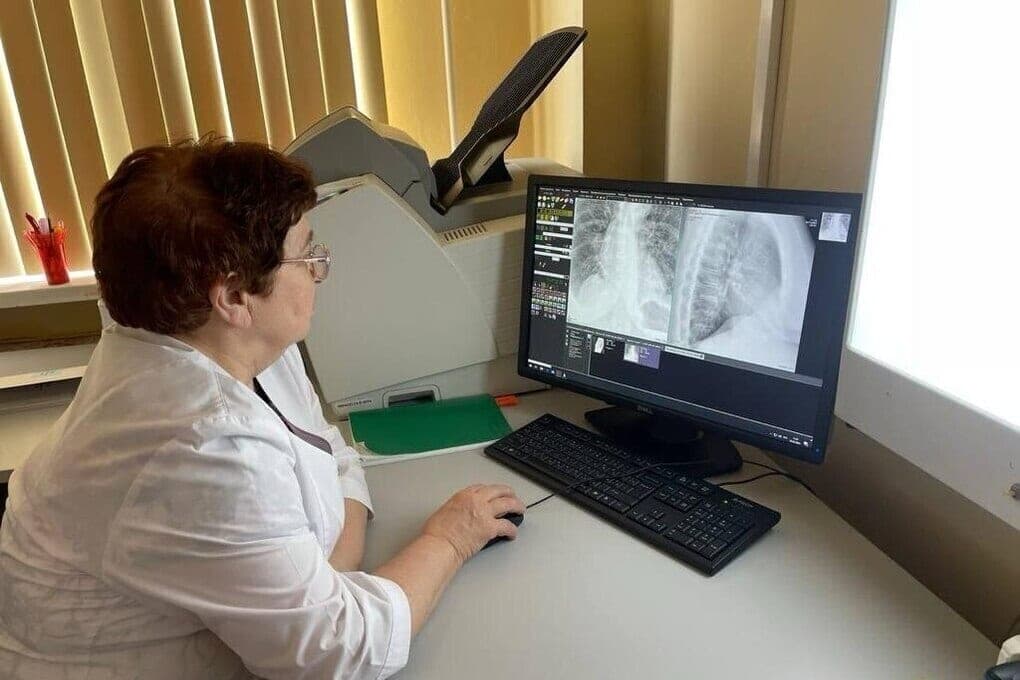
Lung cancer is called the “invisible killer” for no reason. The main danger of malignant tumors of the bronchi lies in their ability to grow for years in complete silence, without giving any signals.
According to statistics, up to 70% of patients in Russia learn about their diagnosis already at stage III or IV, when the tumor has metastasized. Why this happens and how to “see” the invisible, during the week of lung cancer prevention told oncologist of the Penza district hospital named after K.A. Karagizov Daria Lisin.
Unlike other organs, lung tissue itself does not have pain receptors. The lungs are a paired organ with a huge margin of safety. While the tumor grows, the healthy part of the lung takes over the entire load. The person continues to breathe, go to work and play sports without feeling discomfort. The body gives an alarm only when the tumor covers the large bronchi or grows into the pleura, where there are already nerve endings.
When symptoms finally appear, they are not frightening. A slight cough, shortness of breath when climbing stairs, weakness or subfebrile temperature - all this is easy to write off for autumn weather, fatigue or SARS. Patients drink cough syrups for months, unaware that the irritant is not in the throat, but deep in the lung tissue.
The standard for early detection today is low-dose computed tomography (NDCT). This study takes layer-by-layer pictures of the lungs, allowing you to see a tumor several millimeters in size. It is CT that is able to catch “invisibility” at the stage when a person is still absolutely healthy.
The difference in prognosis between early and late stage is enormous. At stage I, the tumor is up to 3 cm, did not go beyond the lung. After surgery 5 years or more live about 60-80% of patients. In stage IV, metastases appear in the bones, brain or liver. Treatment becomes palliative, aimed only at prolonging life.
Unfortunately, in stages I and II, the disease is detected only in 15-20% of patients. Most often this happens by accident, during examinations for other diseases.
Screening (NDCT) is especially needed for at-risk groups, even if they feel fine. First of all, these are smokers with experience: the age of 50-80 years and the experience of smoking more than 20-30 years, even if the person quit less than 15 years ago. Also at risk are workers of hazardous industries in contact with asbestos, radon, metals and coal dust. In addition, these are people with chronic lung diseases: COPD, fibrosis or frequent pneumonia.
Lung cancer is one of the few types of oncology where prevention and vigilance can really save lives. See what is hidden before it is too late.


