
Penza residents are less likely to be vaccinated against measles, tuberculosis and other infections
Everyone wants to protect themselves from dangerous infections. Vaccination remains one of the main ways to prevent such diseases. However, over the years, the situation with vaccinations in the Penza region has changed. If from some infections, residents of the region began to be vaccinated more often, then from others the number of vaccinated decreased significantly.
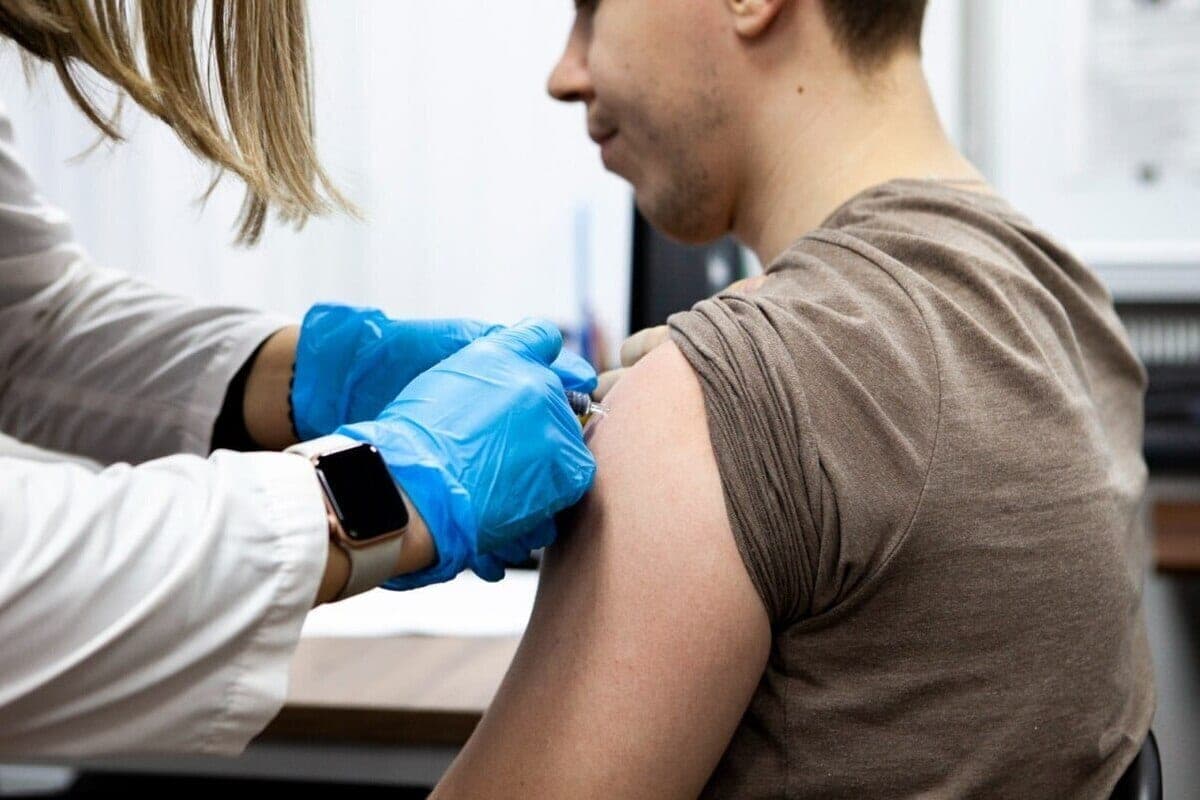
Everyone wants to protect themselves from dangerous infections. Vaccination remains one of the main ways to prevent such diseases. However, over the years, the situation with vaccinations in the Penza region has changed. If from some infections, residents of the region began to be vaccinated more often, then from others the number of vaccinated decreased significantly.
Kommersant came to such conclusions after studying the updated data of the Unified Interagency Information and Statistical System (EMISS), covering the period from 2009 to 2025.
The most significant decrease was recorded for hepatitis B vaccination. If in 2009, 97.77 thousand residents of the Penza region received the vaccine, then in 2025 - only 10.78 thousand. Thus, the indicator decreased by 89%.
Among minors, the reduction was less pronounced. The number of vaccinated children decreased from 13.57 to 8.51 thousand people, or 37%.
The number of vaccines against tuberculosis has also decreased. Over 16 years, the figure has more than halved – from 18.57 to 8.71 thousand people. Among newborns, the number of vaccinated decreased from 13.05 to 6.59 thousand.
Negative dynamics is observed in other infections. Thus, the number of vaccinated against diphtheria decreased by 50%, tetanus - by 48%, polio - by 40%, rubella - by 40%, whooping cough - by 38%, mumps - by 35%, measles - by 25%.
Re-vaccination rates have changed unevenly. For example, the number of revaccinated against whooping cough for the period under review increased by 17.2%, and against rubella by 1.6%.
The situation is different with the flu vaccine. In 2009, 497.66 thousand Penzants were vaccinated, and in 2025 - already 733.74 thousand. The increase was 47%.
Most of the increase was provided by the adult population. Among children, the number of vaccinated increased from 132,000 to 146,000. However, compared to 2024, when 150.6 thousand minors were vaccinated, the indicator decreased.
A slight increase was recorded for vaccination against hepatitis A. For 16 years, the number of vaccinated increased from 7.85 to 8.36 thousand people. At the same time, the maximum indicator was observed in 2021, when about 38,000 residents of the region received the vaccine.
Some of the changes in statistics may be related to the demographic situation. Thus, the population of the Penza region for the period under review decreased from 1.38 to 1.22 million people. The number of children under the age of 17 years decreased from 225.8 to 212.68 thousand.
However, the decrease in the number of immunized minors against most infections was significantly more pronounced than the decrease in the number of children.
Statistics show ambiguous dynamics of vaccination in the Penza region: against the background of an increase in the number of vaccinated against influenza and hepatitis A, the number of people receiving vaccinations against a number of other infections has significantly decreased over the past 16 years. The reasons for this may be different. In particular, the number of vaccinated people is affected by the demographic situation: a decrease in the birth rate leads to a decrease in the number of children who need to undergo routine vaccination. In addition, some vaccinations are given only at a certain age or at long time intervals, so annual rates can vary markedly. The influence of the population’s attitude towards vaccination cannot be excluded. Fears about possible side effects, mistrust of drugs and doubts about the need for vaccinations can influence people's decisions.


