
Penzenka told what breast changes can not be ignored
Regular breast self-examination helps women notice changes that may require a doctor’s attention. Penzenkam reminded what signs should pay attention to, how to properly check the breast at home and when it is necessary to undergo ultrasound or mammography.
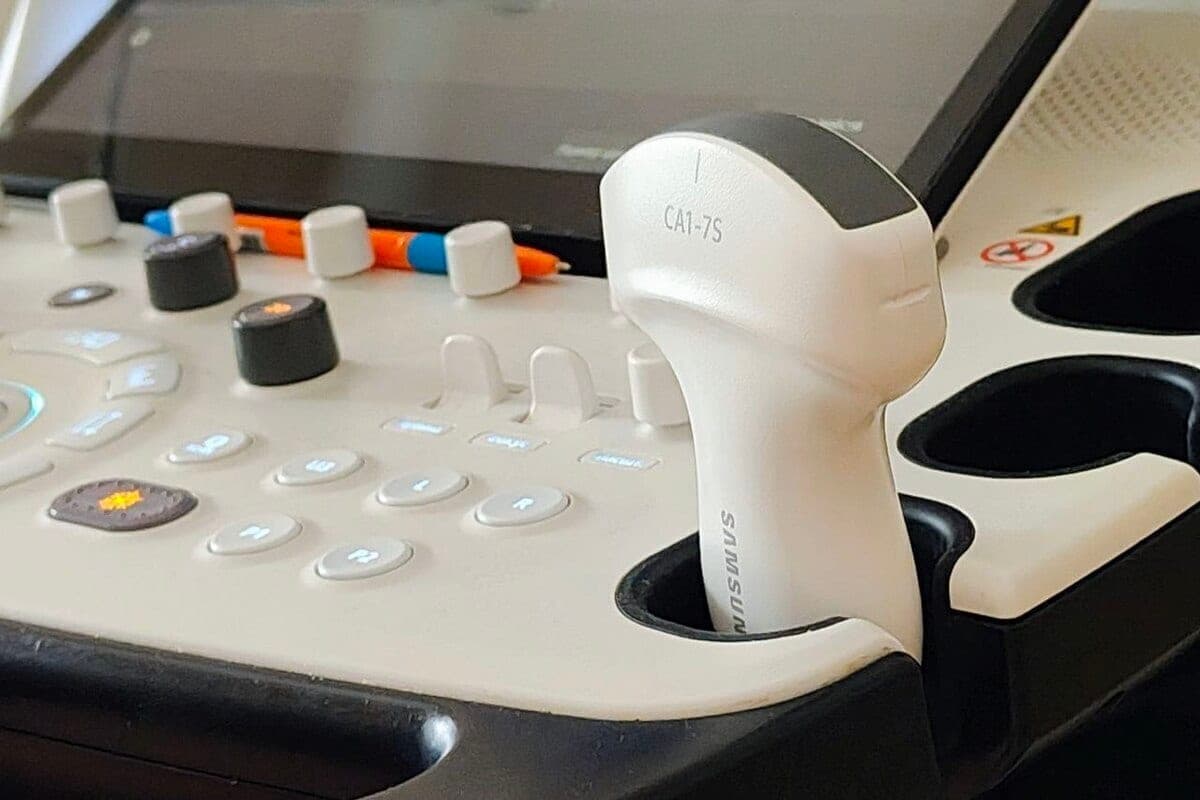
Regular breast self-examination helps women notice changes that may require a doctor’s attention. Penzenkam reminded what signs should pay attention to, how to properly check the breast at home and when it is necessary to undergo ultrasound or mammography.
According to the channel of the Ministry of Health of the Penza region in MAX, it is recommended to independently examine and feel the mammary glands once a month. This test takes about five minutes and involves several steps.
You can start in the shower. To do this, you need soapy finger pads, not their tips, circular movements to examine the chest, moving from the collarbone to the ribs and from the armpit to the center.
Then you should examine the mammary glands in front of the mirror, raising your hands up. Particular attention should be paid to possible changes in the shape of the breast, skin pulling and the appearance of the so-called “lemon peel”.
Another stage is done lying down. Under the shoulder blade, you need to put a pillow, put your hand behind your head and re-probe the mammary gland with circular movements.
It is also important to pay attention to the condition of the nipples, including the appearance of unusual discharge. At the same time, it is not necessary to squeeze the nipples specifically for inspection.
If a seal is found during a self-examination, do not immediately assume the worst. Many such formations are benign in nature. However, it is impossible to determine their nature independently, so if any suspicious changes occur, you should consult a doctor.
Women under 40 years of age, the doctor may prescribe an ultrasound, since the x-ray does not see dense young tissue. After 40 years, the main method of screening is mammography. As part of the medical examination, it is carried out every two years for women of the appropriate age.
Mammography allows you to detect including microcalcinates - small deposits of calcium, which can be one of the signs of pathological changes. Ultrasound and mammography do not always replace each other. In some cases, a specialist may order both studies.
Special attention should be paid to heredity. If close relatives, such as a mother or sister, were diagnosed with breast or ovarian cancer at a young age, or if there were cases of breast cancer in men in the family, it is worth discussing with your doctor the need for genetic counseling and testing for BRCA1 and BRCA2.

