
Penza sanatoriums: incomes grow, and guests leave
Sanatorium and resort industry of the Penza region was in a paradoxical situation. According to the results of January-August 2026, the income of regional health resorts amounted to 554.34 million rubles.
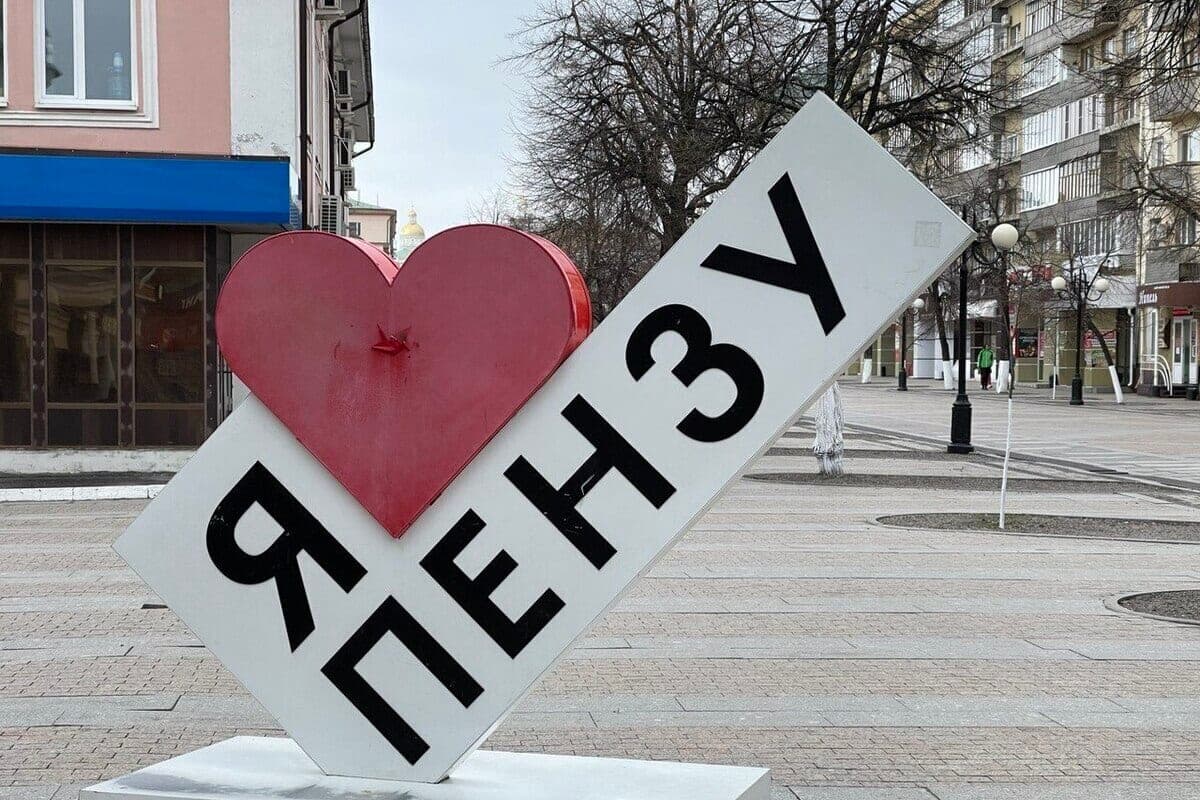
Sanatorium and resort industry of the Penza region was in a paradoxical situation. According to the results of January-August 2026, the income of regional health resorts amounted to 554.34 million rubles. This is one of the most modest indicators in the Volga Federal District - only the sanatoriums of Mordovia (266.57 million) and Mari El (469.04 million) earned less. At the same time, in general, the income of sanatoriums in the Volga Federal District increased by 20.8%, reaching 28.37 billion rubles.
The key feature of the Penza case is the discrepancy between financial and natural indicators. For the first half of 2026, sanatoriums of the region received 17.9 thousand people, which is 11.1% less than a year earlier. The dynamics turned out to be worse only in Mari El, where the fall was 14.5%. In terms of the absolute number of guests, the Penza region was among the three outsiders of the district: only Mordovia (7.8 thousand) and Mari El (12.4 thousand) had fewer tourists. For comparison: the leader of the PFO Bashkiria for the same period took 107.1 thousand people – almost six times more.
At the same time, the average income per guest in the district increased by 14.2% to 30.4 thousand rubles. This means that the industry compensates for the outflow of customers by increasing the cost of services. However, such a strategy carries risks: rising prices can further alienate potential vacationers, especially from neighboring regions, which traditionally formed a significant proportion of guests of Penza health resorts.
At the federal level, the situation is different. Income of Russian health resorts in January-August 2026 amounted to 182.92 billion rubles, an increase of 11.9% compared to the same period last year. The leaders are Krasnodar Krai (41.47 billion), Stavropol region (36.37 billion), Crimea (9.42 billion), Altai Krai (8.53 billion) and Moscow region (7.85 billion). The Penza region occupies a position that can be described as persistently peripheral: the region is not among the leaders either in terms of income or tourist flow.
The decrease in attendance of Penza sanatoriums occurs against the background of a general decrease in tourist flow to the Volga Federal District: for the first half of the year, the health resorts of the district took 594.7 thousand people, which is 3.9% less than a year earlier. However, the fall in the Penza region is almost three times higher than the district average.
According to Penzastat, ten sanatorium-resort organizations work all year round in the region: seven health resorts for adults, two children's sanatoriums and one dispensary. During the year, 33.8 thousand people received health services. If the current dynamics of the outflow of guests is maintained, the region risks not only losing its position in the district rating, but also facing the need to revise the pricing policy and develop new health programs.
The Penza case clearly demonstrates that revenue growth with a falling tourist flow is a strategy with a limited horizon. Without the influx of new guests and the development of infrastructure, regional health resorts risk being sidelined from the all-Russian trend to restore domestic tourism.


