
Penza doctor called three rules for protecting the microbiome after antibiotics
Disputes about dysbiosis do not subside for years
Disputes about dysbiosis have not subsided for years. Some see it as a diagnosis, others as fiction. The truth in the middle: science speaks about the disruption of the microflora and recognizes that antibiotics really turn the internal environment.
The gastroenterologist of the City Polyclinic No. 13 Danil Gainov during the week of combating the resistance of microbes told how antibiotics affect the microflora of the intestines, skin and lungs.
Inside and outside a person lives a couple of kilograms of microorganisms. Only in the intestines more than five hundred species of bacteria. This is not a companion, but a full-fledged organ.
Useful bacteria break down fiber, synthesize vitamins B, K and amino acids. About seventy percent of the protective cells are concentrated in the gut, and the microflora teaches the body to distinguish enemies from friends. It also creates a barrier for pathogenic fungi and bacteria.
Antibiotics beat wide and do not distinguish between their own and others. Killing the pathogen, the drug at the same time destroys peaceful bacteria. The vacated places are immediately occupied by conditionally harmful microbes, for example, fungi or a dangerous bacterium that causes severe diarrhea.
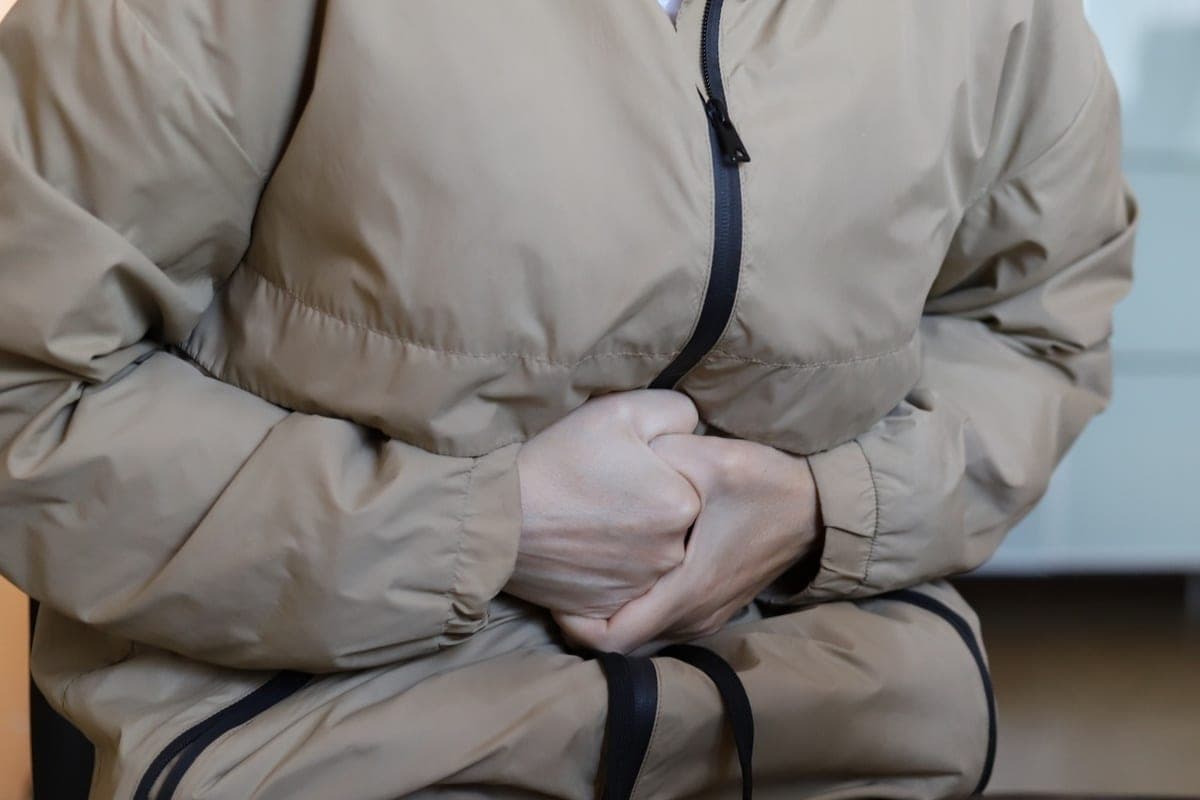
The gut suffers first. Bloating, flatulence, alternation of diarrhea and constipation, abdominal pain. If the balance is not restored for months, the synthesis of vitamins is disturbed, protection falls, frequent colds and allergies appear.
Skin is like a gut mirror. Its wall becomes permeable, toxins enter the bloodstream and cause inflammation. Hence pimples, dermatitis, hives and eczema. Creams will not help until the flora is restored from the inside.
The lungs are also connected to the intestine through a protective system. After massive treatment, people are more likely to suffer from bronchitis and pneumonia: local defenses are temporarily weakened.
There are three rules to protect flora. The antibiotic is prescribed only by a doctor, with the virus it is harmful. Doctors try to choose drugs of narrow action. Recovery is slow: you need fiber, vegetables, sauerkraut, yogurt without sugar, and take beneficial bacteria in capsules with a difference of two to three hours from the antibiotic.
Antibiotics save lives, but they require respect. For salvation, the body pays for the temporary destruction of the balance, which then needs to be patiently restored.


