
Penza doctor called five rules for the safe use of antibiotics
Antibiotics have saved humanity from plague, pneumonia and sepsis, turning deadly diseases into curable
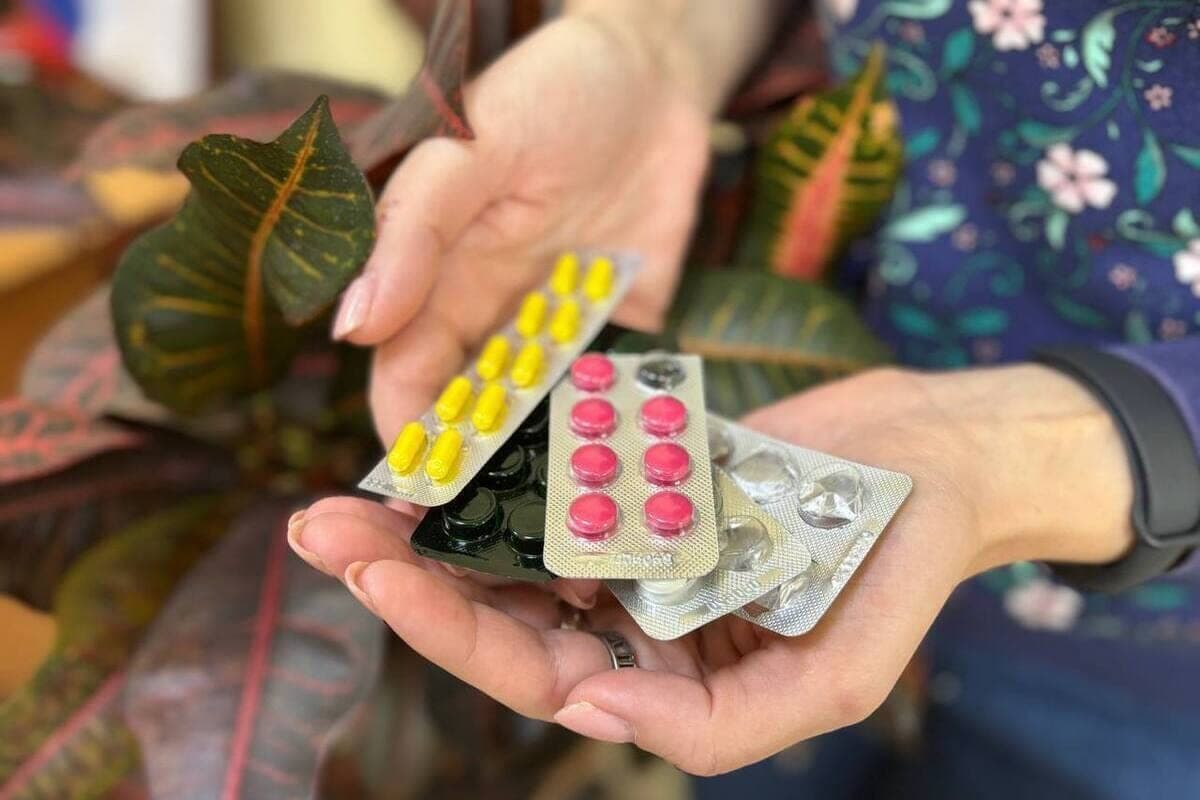
Antibiotics have saved humanity from plague, pneumonia and sepsis, turning deadly diseases into curable. But today, the world has come to a point where these drugs can stop working. It is not pharmacology that is to blame, but our habit of swallowing pills indiscriminately.
Infectious disease doctor of the Penza Regional Clinical Center for Specialized Medical Care Victoria Zhashkova, within the framework of the week of combating antimicrobial resistance, listed five rules that are worth learning by heart.
First, the antibiotic is prescribed only by a doctor. This is a prescription drug, and there is nothing to argue about. Neither the pharmacist, nor the neighbor with rich experience, nor the Internet will determine which bacteria caused the disease. By swallowing medicine at random, a person risks growing an invulnerable strain in himself. In addition, many antibiotics conflict with other drugs, and uncontrolled reception hits the liver and kidneys.
Second: dosage and time are strictly according to the scheme. A constant concentration of the drug must be kept in the blood, otherwise the bacteria cannot be stopped. Three times a day means every eight hours, even at night. The dose is selected by the doctor by weight, age and severity of the infection. If you divide the pill in half for the sake of economy, there will be no treatment: the microbe will get just enough to harden, but not die.
Third, you can't cut the course in the middle. The temperature has dropped, the strength has returned, but this is deceptive well-being. The antibiotic first deals with weak microbes, and the most tenacious remain. By stopping the drug, the person gives them the freedom to reproduce, and the next time this drug will not work.
Fourth, do not finish the leftovers and do not share with others. Each antibiotic has its own shelf life and its own spectrum of action. A pill that helped a year ago with cystitis, with angina is useless. Giving the medicine to a relative or colleague, a person puts on it a dangerous experience: a hidden allergy, a conflict with chronic drugs or just another diagnosis can work. And this division disperses the resistance of bacteria.
Fifth: restore the microflora, but competently. The antibiotic beats indiscriminately: together with harmful bacteria in the lungs, it destroys the beneficial inhabitants of the intestine. Hence diarrhea, bloating and thrush. Probiotics will help, but a doctor should prescribe them. Not all of them are friends with antibiotics: drinking an antibiotic together will simply kill the beneficial bacteria from the capsule.
Antibiotics are a resource that is not infinite. It is worth spending it only when you cannot save a life without it.


