
The area of the ozone hole was twice the size of the US
The ozone hole over Antarctica in the fall of 2026 became the largest in the last ten years
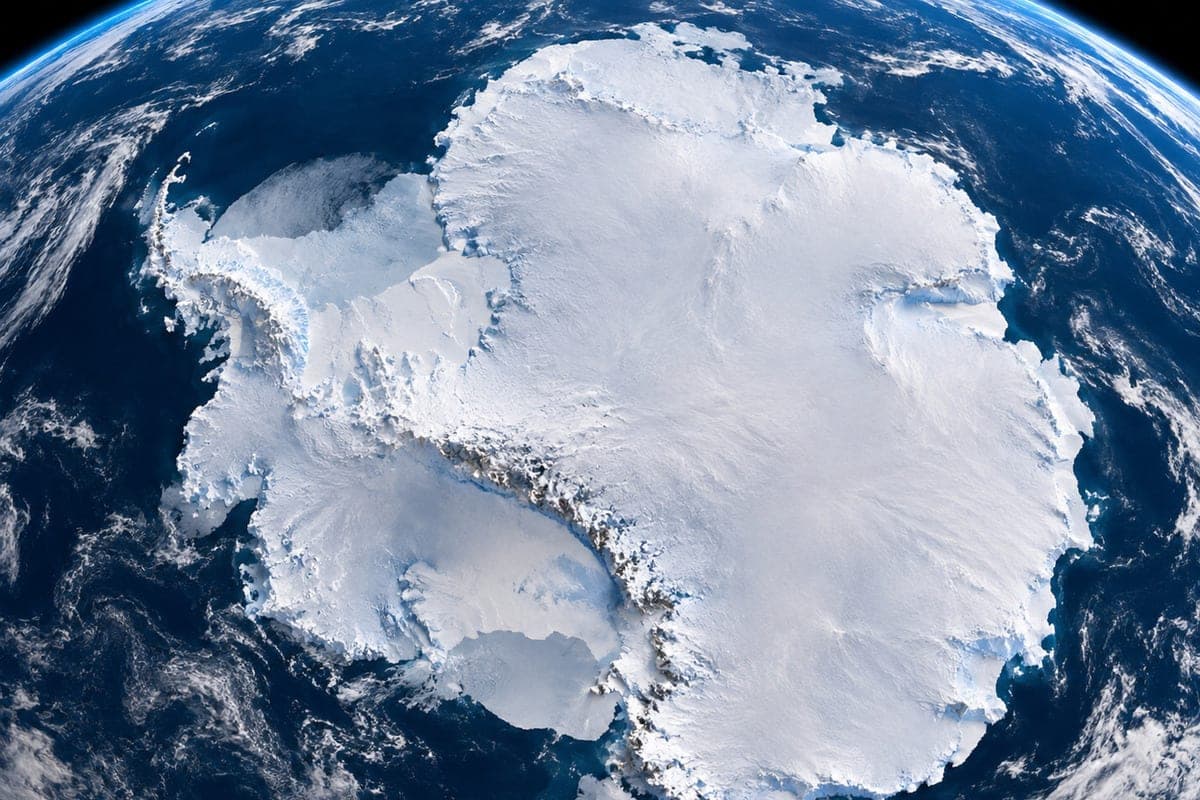
The ozone hole over Antarctica in the fall of 2026 was the largest in the last ten years. Its area between September 7 and October 13 reached 25 million square kilometers, which is more than twice the size of the United States. This is reported by the Daily Mail with reference to NASA data.
The maximum size of the atmospheric formation reached September 18 - then its area was about 27 million square kilometers. The researchers estimate that this is the seventh result in 48 years of observations and about 90% of the record recorded on September 9, 2000.
Scientists have linked the increase in the ozone hole to an unusually powerful and extensive polar vortex. Its strong air currents moved several degrees farther from the South Pole, expanding the area in which favorable conditions for ozone depletion developed.
The ozone layer is located in the stratosphere at an altitude of about 11 to 40 kilometers. It absorbs a significant part of the dangerous ultraviolet radiation of the Sun and thereby protects living organisms on Earth.
The main substances contributing to ozone depletion remain chlorofluorocarbons and other compounds containing chlorine and bromine. Previously, they were widely used in the production of refrigerators, air conditioners and building materials. Once in the atmosphere, these substances rise into the stratosphere, where under the influence of ultraviolet light, chlorine and bromine atoms are released, which react with ozone.
Despite the fact that such compounds continue to be present in the atmosphere, their concentration gradually decreases. According to scientists, by the 2070s, they may completely disappear, which will restore the ozone layer and eliminate the seasonal formation of the ozone hole.
The ozone hole over Antarctica forms every spring in the Southern Hemisphere, but its size varies depending on atmospheric conditions. In 2026, the unusual dynamics of the polar vortex became one of the main factors of increased ozone depletion.


