
Under fur, colored, fringed: how to choose a fashionable scarf for the winter
Designers decided to remind that the scarf is the main accessory of the cold season, which does not need to hide under the coat: the trend is volume, texture and rich colors
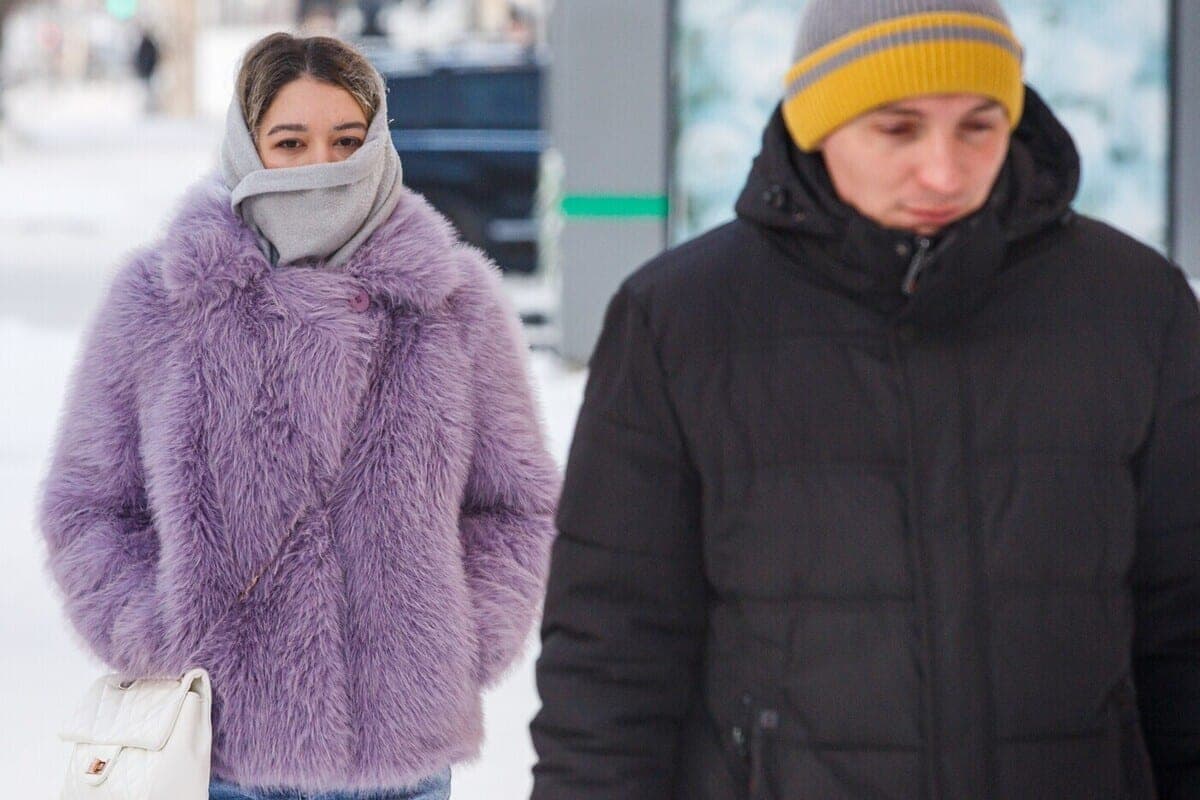
Before you learn fashion colors and textures, think about where and how you will wear a scarf. The tighter the weaving, the better it will protect from wind and cold.
For daily trips in the subway to work, wool or wool mixture is better: it keeps warm and tolerates the sock well. For walks on frosty days, voluminous knitted scarves are good, in which you can wrap yourself, and the palantine will cover not only the neck, but also the shoulders.
Owners of sensitive skin wool scarf can cause discomfort, they should look at the alpaca or cashmere. Both options do not irritate the skin and store heat well, but when choosing cashmere, the price of the issue, of course, increases sharply. However, cashmere scarf neutral shade worn for years, so it can be considered a profitable investment.
Scarves under fur
A fur scarf is the most fashionable accessory of the season, although it is not quite a scarf in the usual sense of the word. On catwalks, artificial fur is found in the form of a wide collar-boa, as well as in the form of a long fur stripe that can be thrown over the shoulder or casually tied in front.
Such models look good with smooth outerwear: a wool coat or a leather jacket. It is strongly not recommended to add a fur scarf to a fur coat, with a down jacket, you should also be careful: the second three-dimensional element can distort the proportions.
To make such a model look organic in an everyday way, observe several rules: firstly, it is better to choose a long pile in natural shades, secondly, if the fur is bright or long-tailed, then the rest of the clothes should be calm. One expressive accessory always looks more expensive than several competing accents.
Colored scarves
A bright scarf is the easiest and fastest way to refresh your winter wardrobe. Globally, nothing will have to change: leave a practical gray, black, beige or dark blue coat, add a scarf color fuchsia, ochre or bottled green - and the image looks completely different.
This season, saturated shades are in fashion: burgundy, cobalt, red, but light, almost white shades have not been canceled. They look especially spectacular next to a dark coat and emphasize the texture of the coat.
It is important to note that the scarf falls into the portrait area. Therefore, when choosing, focus not only on trends, but also on the tone of the skin of the face. Warm undertones are usually terracotta, mustard, olive, warm red; cold - dusty pink, lavender, emerald, gray-blue.
Classic black, gray, beige and milk colors remain win-win if you need a scarf "for all occasions.".
Brinkle and fluffy pile
The fringe this season is a full-fledged accent, not the traditional "tassels" on the palantine. It is long, very long - threads can reach 30 centimeters. And a scarf with such decor, of course, is not designed to “hide” under the coat: it is thrown from above, throwing one end behind the back. The long fringe goes well with a simple coat cut and basic colors. By the way, the scarf itself is also better to choose monotonous and neutral shades - fringe needs a calm background.
"Fluffy" mohair or alpaca is a more democratic alternative to fur boa. Such scarves are also in trend, they look cozy and much warmer than it may seem at first glance. They are worn according to the same rules as fur: the more active the pile, the more neutral the color, and the texture of the outerwear should be smooth.
Palantine
This is the most versatile format for cold winters, especially the wide and long models that designers offer this season. Usually the width of the palantine is at least 50 cm, and the length is 180-200 cm. This size allows you to cover your shoulders, but the scarf does not interfere with transport.
However, fashion models are longer - from 200 cm. They are simply laid on their shoulders, throwing one end behind their backs. To enhance the effect, the coat should be on the floor, and the palantine should be in his tone, slightly lighter or slightly darker.
How not to make a mistake with buying
- Check the composition: for winter, wool, alpaca, cashmere or their mixtures with a high content of natural fibers are preferred.
- Apply a scarf to your neck: quality coat should not be too prickly or stiff.
- Evaluate the density: to protect against the wind you need a dense viscous or fabric, for frost - volumetric texture.
- Consider care: cashmere and wool usually require hand washing in cool water and drying in a horizontal position.
Keep knitted scarves folded, not on the hanger, so they last longer.
In the current variety of fashion models to choose one difficult, and do not need. It is better not to limit yourself to the only option, but to choose several for different weather, images and mood. This will allow you to look new every day without remodeling your entire wardrobe.


