
Under the pretext of replacing the intercom, the Minsk resident transferred about 60 thousand rubles to fraudsters
Minchanin lost a large sum after the call of pseudo-workers of the intercom replacement service. The attackers got his personal...
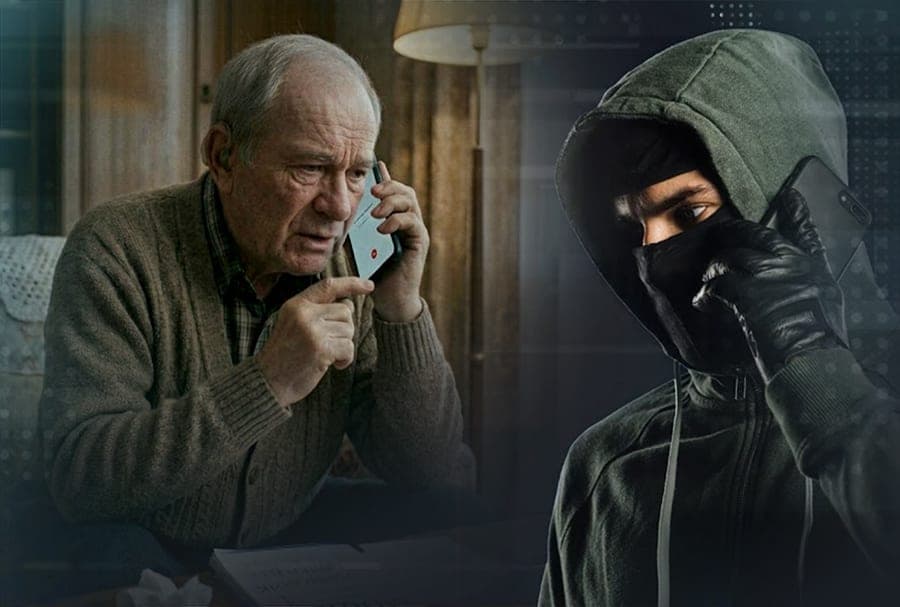
Minchanin lost a large sum after the call of pseudo-workers of the intercom replacement service. The attackers obtained his personal data, and then persuaded the man to transfer savings to the courier under the pretext of declaring them. About how the fraudulent scheme works and how to protect yourself from scammers, the correspondent of the agency “Minsk-Novosti” was told in the Lenin police department of Minsk.
The photo is illustrative in nature
According to the deputy head of the Lenin police department of Minsk – the head of the criminal police Timofey Doroshevich, the victim of fraudsters was a 40-year-old resident of the capital. At first, he received a call from unknown people who introduced themselves as employees of the intercom replacement service. Under the pretext of issuing a new key, they asked the man to provide personal data and dictate the code from the SMS.
Later, Minsk contacted in the messenger allegedly law enforcement officers. They said that the man became involved in a criminal case, and the previously transferred data is used by fraudsters to conduct illegal financial transactions. Fearing criminal prosecution, the victim believed the attackers. False law enforcement officers persuaded him to urgently “declar” his savings, explaining that the apartment was allegedly being searched. As a result, the man handed the courier about 60 thousand rubles.
Police officers identified and detained the 22-year-old courier. It turned out that the young man was also the victim of a similar fraudulent scheme. Fearing criminal prosecution, he agreed to carry out the orders of scammers.
Employees of the National Bank, law enforcement agencies and other public services do not request personal data and confirmation codes by phone. You should not trust calls in messengers, during which unknown people call themselves representatives of state bodies and demand to make financial transactions. If such calls are received, it is necessary to immediately stop the conversation and report the incident to the police on the number 102, Doroshevich said.


