
How Belarusian scientists help preserve red-book badgers
Imagine an animal - the architect of underground "multi-storey buildings", which organizes the most real family clans, transfers the apartment to children by inheritance, etc.
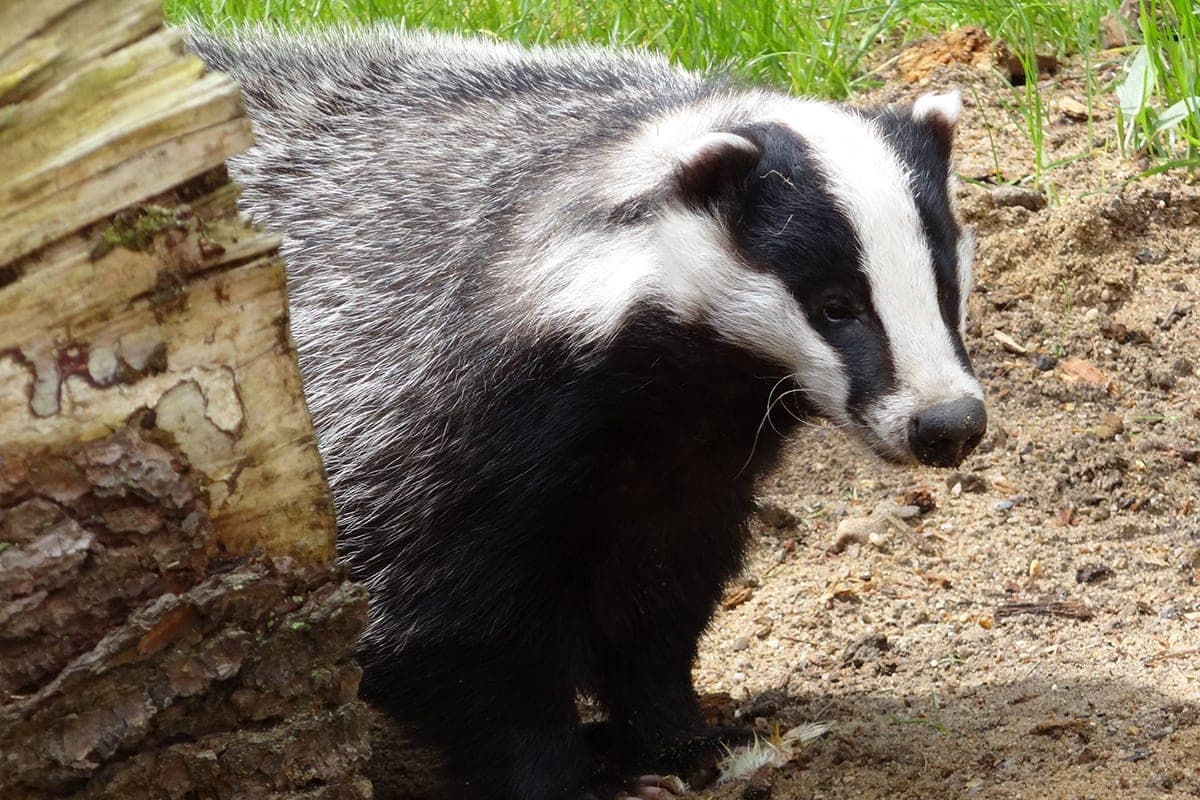
Imagine an animal – the architect of underground “multi-storey buildings”, which organizes the real family clans, transfers the apartment to children by inheritance, creates couples for life and for relatives can be so loaded that not much will seem. About what kind of animals are badgers, why summer residents from the neighborhood with them are not delighted and what are the benefits of these animals, found out in the SPC of the National Academy of Sciences of Belarus for Bioresources.
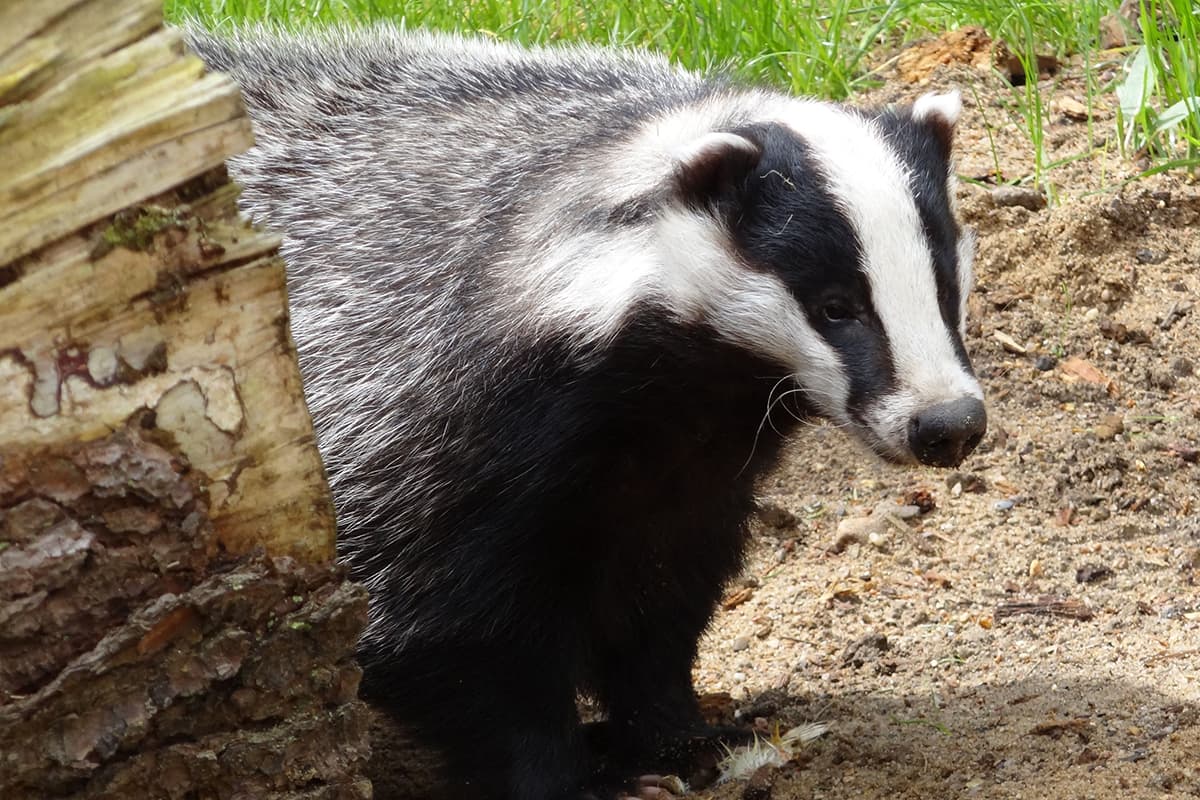
About how many of these animals were in Belarus before, you can guess by indirect signs: we have more than four dozen settlements called Barsuki, Barsukovo and so on. However, in the early twentieth century, the population of these animals began to decline rapidly. By 1981, the situation became so critical that the badger was included in the Red Book.

Yevgeny Mashkov. “Despite the protective status, threats to badgers are more than enough,” says senior researcher at the Laboratory of Population Ecology of Terrestrial Vertebrates and Bioresource Management Evgeny Mashkov. And the main one is poaching. The reason is illegal demand for badger fat. Many still believe in its healing properties, although modern medicine offers a lot of effective and safe drugs. At the same time, not just kill the beast, but also burrows dig up, destroy entire “towns” that were built over decades, and sometimes centuries. The second major threat to these animals is road deaths. Badgers are active at night, and during resettlement young individuals look for new territories, crossing the tracks. The third threat is competition with alien species. Raccoon dog, imported in the last century, occupies similar feed niches and, what is especially unpleasant, uses badger burrows for its reproduction and wintering, "beating" them away from the owners. Also, a serious competition for badgers is a raccoon strip. Natural predators also play a role: wolves, lynx, stray dogs. And finally, let’s not forget about the anthropogenic factor: deforestation and drainage of swamps near badger settlements make animals leave their homes forever. Badger is a rather demanding animal, he loves peace and quiet. And now the area of comfortable existence for him is significantly reduced.
Nevertheless, the badger situation in Belarus is a story of cautious optimism. It is still included in the Red Book, its extraction is strictly prohibited. However, the International Union for Conservation of Nature (IUCN) Red List lists the common badger as a “favorable status” species, meaning it is not endangered and its global population is generally relatively stable. As for our country, here the picture is different, the specialist emphasizes:
- After a catastrophic decline in numbers in the 2010s, the population gradually began to recover. According to the latest data, in 2024-2025 there are about 2758 individuals in Belarus, which is approximately equivalent to the level of 1981. However, population density remains very low and extremely uneven. The national average is about 0.4 individuals per 10 km2. For comparison: in Western Europe, the density often reaches hundreds of individuals per 10 km2. Back in the early XIX century, badgers were one of the most numerous animals in Belarus. Now most of all (56% of the total population) lives in the Vitebsk region. In total, we have about 3 thousand badgers, which is quite a bit, so the animal is still listed in the Red Book. In Belarus, the badger is still absent in many territories, theoretically suitable for habitation. That is why in January 2025, the Plan for the Management of the Common Badger Population in the Republic of Belarus was approved. Its goal is not only to preserve the species, but also to ensure the long-term maintenance of a viable population. But what is so important to this beast?
Badger can be called an “ecosystem engineer”, its role in nature is multifaceted. Eating insect pests (larvae of May beetles, dung beetles, bears) and small rodents, it restrains their numbers, preventing outbreaks of reproduction and thereby protecting forest and agricultural lands. It also creates new habitats for other species. By swarming its complex and extensive burrows, the badger forms unique underground microenvironments, where many species of plants, insects and small animals find shelter and favorable conditions for life. That is, the activities of the badger directly contribute to the maintenance of biodiversity. And the badger participates in the distribution of plant seeds, eating berries, fruits and root vegetables. A curious point: passing through its digestive tract, the seeds do not lose their germination and disperse in new territories.
The badger literally eats everything that lies badly and crawls into its mouth: frogs, lizards, snakes (by the way, even vipers), mollusks, earthworms, and eggs of birds and chicks. He ruins the nests of wasps and bumblebees, willingly eats locusts. Do not mind eating and vegetable food: berries, nuts, acorns, apples and pears. Curiously, this beast does not like to waste energy on the chase: he will not pursue fast prey, switching his attention to something else. I'm in the cabin!
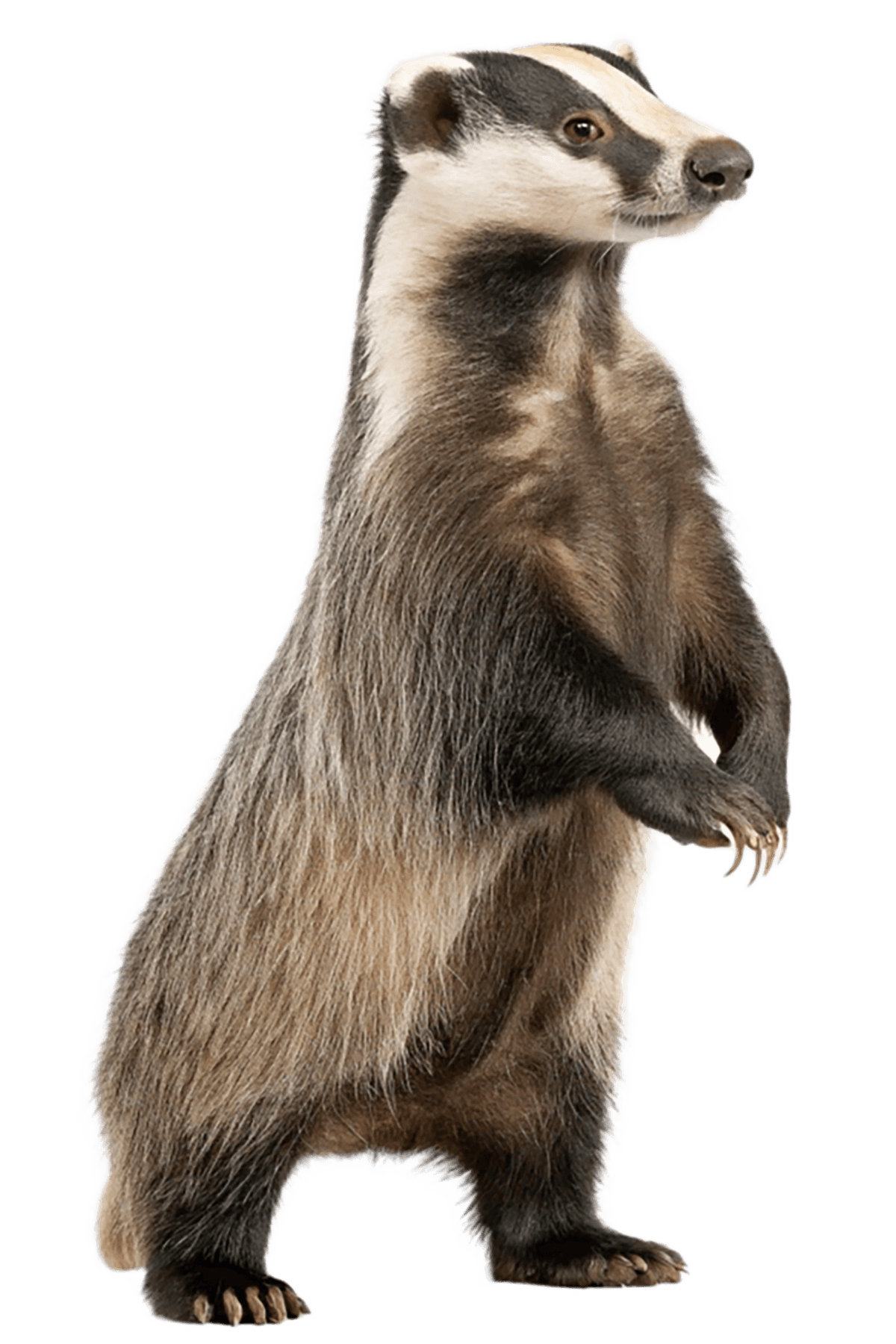
Recently, animals in Belarus have clearly increased, with which the scientific community can only congratulate. Teeth, tarpan-shaped horses, raccoons, beavers and other forest brethren actively explore the territory, approaching almost the very human housing. Tourists - joy, specialists - headache. Where can I find a badger?
- Badger is found throughout the territory, but it is distributed extremely unevenly, - says Evgeny Mashkov. - The largest part of the population is concentrated in the north of the country - in the Vitebsk region. According to the Ministry of Natural Resources and Environmental Protection, 51% of the total number of the species lives here. Next are Grodno, Minsk and Gomel regions (10-19%). And the least badger in Mogilev and Brest regions (4-5%). It is extremely rare to find a badger in a significant part of the Belarusian Polesie.
The fact is that this animal is very demanding to the “construction site”. Badger chooses dry deciduous, mixed and pine forests growing on the hilly terrain. It vitally needs sandy, easy to dig soil with a deep level of groundwater. On the contrary, he avoids swampy places. That is why in the Polesie region settles only where there are dry sandy hills or areas on the edge of ravines.
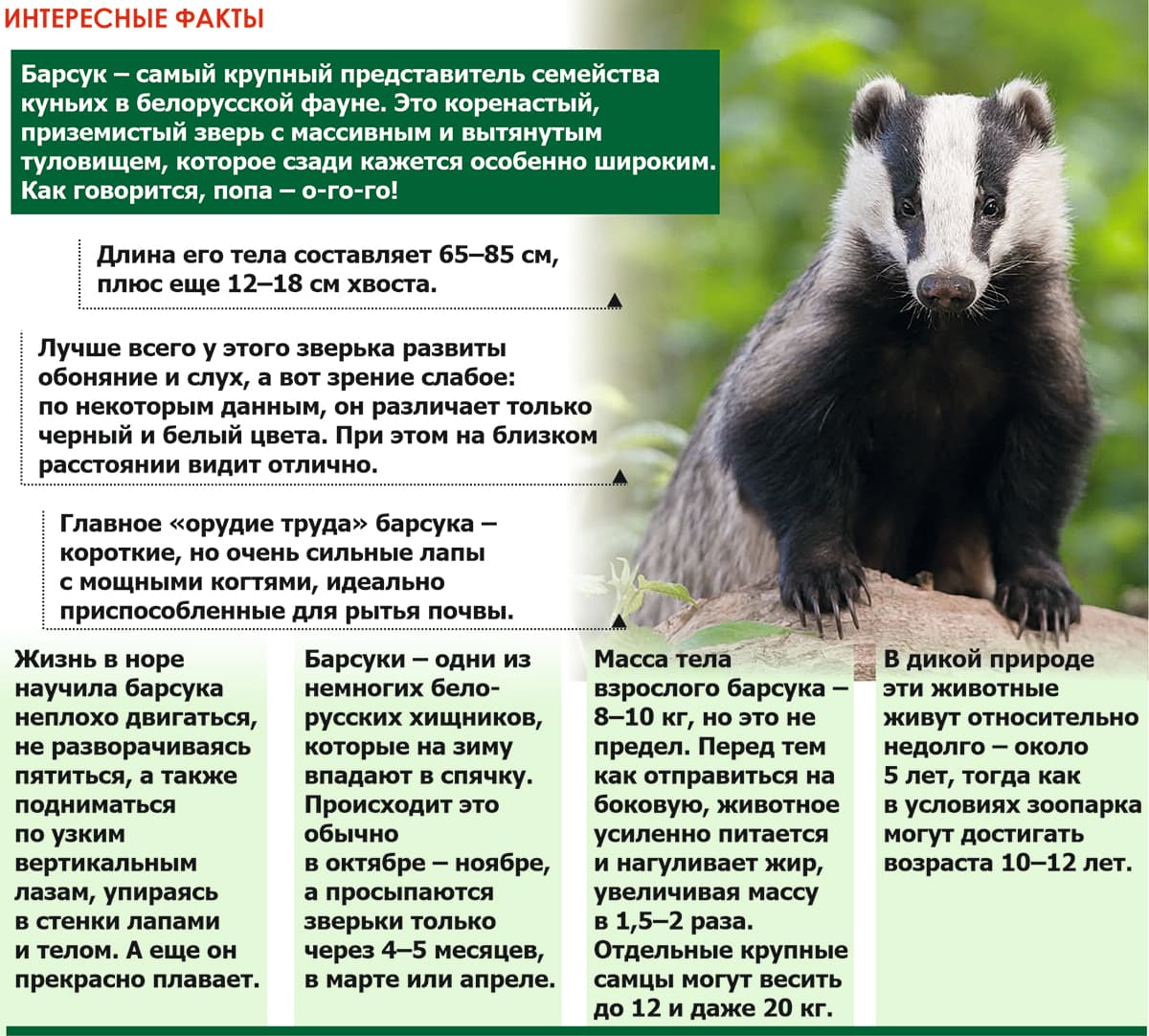
Badger is called an underground architect, and quite deservedly, continues Evgeny Mashkov. Its burrow is a complex engineering structure that has from 3 to 20 entries. In old, especially large “cities”, the number of entrance holes can reach 50, and the total length of corridors exceeds 200 meters. Inside the burrow there are several rooms at a depth of 2 to 3 meters: a central nesting chamber for breeding, spare chambers, as well as special branches - "toilets" that badgers regularly clean. These animals are real cleaners. Twice a year, in spring and autumn, they carry out general cleaning of their dwellings, and for winter especially carefully prepare the hole for hibernation. Usually predators are bright individualists, but the badger stands out here. His social organization is one of the most interesting and complex, the scientist emphasizes:
- Unlike many maroons, the badger is a pronounced social species that lives in family groups. At the same time, a badger clan is not just a random cluster of animals. Its basis is one, and sometimes two or three breeding females, as well as their offspring of different ages, plus several tribesmen - adults who may be relatives or unrelated members of the group. The number of such a clan can be from 2 to 12 or more animals. They jointly own the common territory, build a hole-town, maintain order and protect it. I mean, it's serious.
However, not all badgers live in clans. For example, there is evidence that in the Polesie Radiation and Ecological Reserve badgers, on the contrary, lead a predominantly solitary lifestyle.
- This indicates a high ecological plasticity of the species and great chances of survival in unusual conditions, notes Evgeny Mashkov. Nevertheless, the basis of the social life of a badger is an attachment to the territory. In fact, the badger is the largest homebody among predators. From the burrow it does not go far, hunting within a radius of only 2-3 kilometers.
Scientists are used to thinking globally, so their concern for biodiversity conservation is understandable. However, from the point of view of the layman, the neighborhood with the badger family, especially in the suburban area, is not a happy situation.
- This problem is largely contrived, - says Evgeny Mashkov. - If we are talking about commercials on the Internet, which show traces of badger forays into the gardens, then we are talking primarily about Russian regions. We also know cases when badgers ravaged apiaries, eating honey and bee larvae, or disrupted crops. However, it should be understood that in Belarus, where the number of badgers is small, the damage is more episodic than systemic. And the natural feeding base is enough. Basically, badgers avoid people and try not to approach close to housing, and especially not to settle nearby. An exception may be land that animals legally consider their own. For example, areas near protected areas.
If we are talking about an average village or suburban village, then the chance to meet a badger for their residents is minimal, but not zero. Therefore, experts still recommend caution. But not because the beast will pull the carrot out of your hands.
- The main danger from the badger is associated with its epidemiological significance, since it is one of the natural carriers of the rabies virus, informs Evgeny Mashkov. Infection occurs through bites, scratches or salivation. Therefore, when meeting with a wild animal that behaves unusually (does not fear a person, comes out during the day), it is necessary to observe special precautions and in no case try to touch it.
But if a healthy badger still appeared on the backyard and begins to disturb people, undermining the garden, how to deal with it?
- It is very important to understand that this is a Red Book species, and hunting for it is prohibited in Belarus, the scientist emphasizes. Any active methods of seizure, such as using traps, night hunting with a lantern, attracting dogs, are illegal and entail serious liability, including criminal liability. If you find a hole in your area, do not try to dig it or destroy it. This is not only cruel, but also illegal, as the home of the badger is also protected. Impact measures should be exclusively preventive and humane.
The best deterrents work. Badgers do not tolerate sharp smells: ammonia, vinegar. You can impregnate rags with these substances and spread them near burrows and on the paths along which the beast walks. They do not like citronella, a perennial herbaceous plant known for its strong lemon aroma. If you drop it on the site, badgers are likely to bypass it. The most reliable and at the same time humane solution is an electric fence around the perimeter. When installed correctly, it gives an excellent result and does not harm the animal.
And, as experts say, helps the night radio on the site — the beast is afraid of the human voice and noise. However, it is not a fact that together with badgers you will not even scare the neighbors. And then you have to choose who to fight with. By the way, in case of threat, the badger can use not only teeth and claws, but also odorous liquid, which is produced by special glands. Smells like a skunk, but still unpleasant. So maybe we should leave him alone. Badger is a model family man. Making pairs, animals stay together for years, and sometimes for life. They are very attached to the house and offspring. They fiercely guard their “Barsuciano clan”, and if the cubs grow up in the hole, it is better not to come close. In the fairy tale of Andersen “Thumbelina” the main aristocrat of the animal world is a mole (coat, supplies and all that). In our reality, this place could rightfully take a badger. And his house is larger, and the cup is fuller, and the “guy” himself is clearly more representative of a miniature mole.
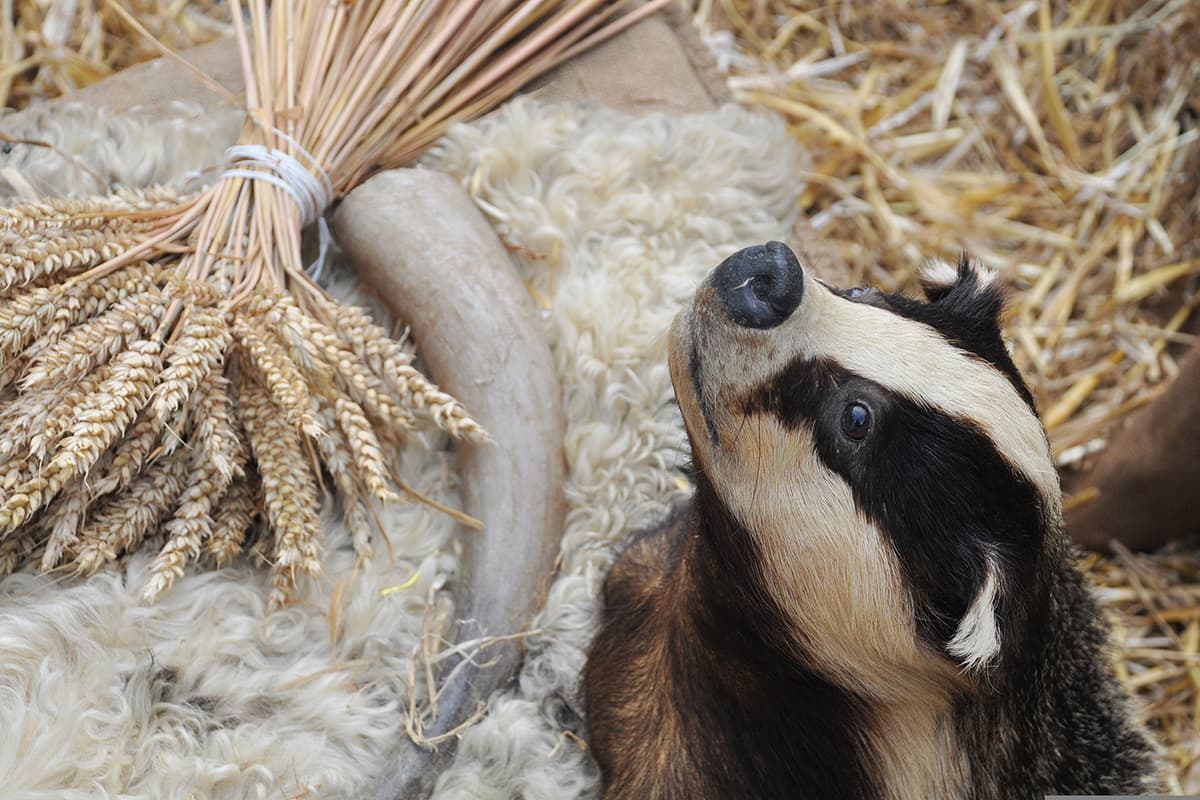
Badger is a character not only of biology, but also of Belarusian culture, and very noticeable, confirms Evgeny Mashkov. It is best revealed in folklore. For example, in the fairy tale “Why badgers and foxes live in burrows” we are talking about the fact that all animals under the royal decree of the lion receive tails. The bear, who overslept the distribution, tries to take away someone else's tail, and the badger and fox have to escape from him in burrows. Here the badger is shown as an intelligent, prudent, cautious and practical beast. He does not climb into trouble, knows how to find a way out of a difficult situation and appreciate what he has. In other fairy tales, he appears as a participant in animal gatherings - thorough, unfussy, ready to stand up for himself. In the broader Slavic context, the badger is associated with the motives of weaving and needlework, which also emphasizes its “home”, economic image. What's a holiday without a badger? In the National Park "Pripyatsky" in the summer, the festival "Night of Badgers" is held annually. This is not just an entertainment event, but a real immersion in the world of this secretive beast. The program has lectures about this animal, quests and excursions through the forest to a real residential badger “town”, where you can see its device with your own eyes.
bebenina@sb.by


