
The rules of agricultural estates in Belarus have changed. What do you need to know?
In Belarus, the main provisions of the Presidential Decree No. 275 of August 18, 2026 “On the development of agroecotourism” came into force. Belta reports. ...
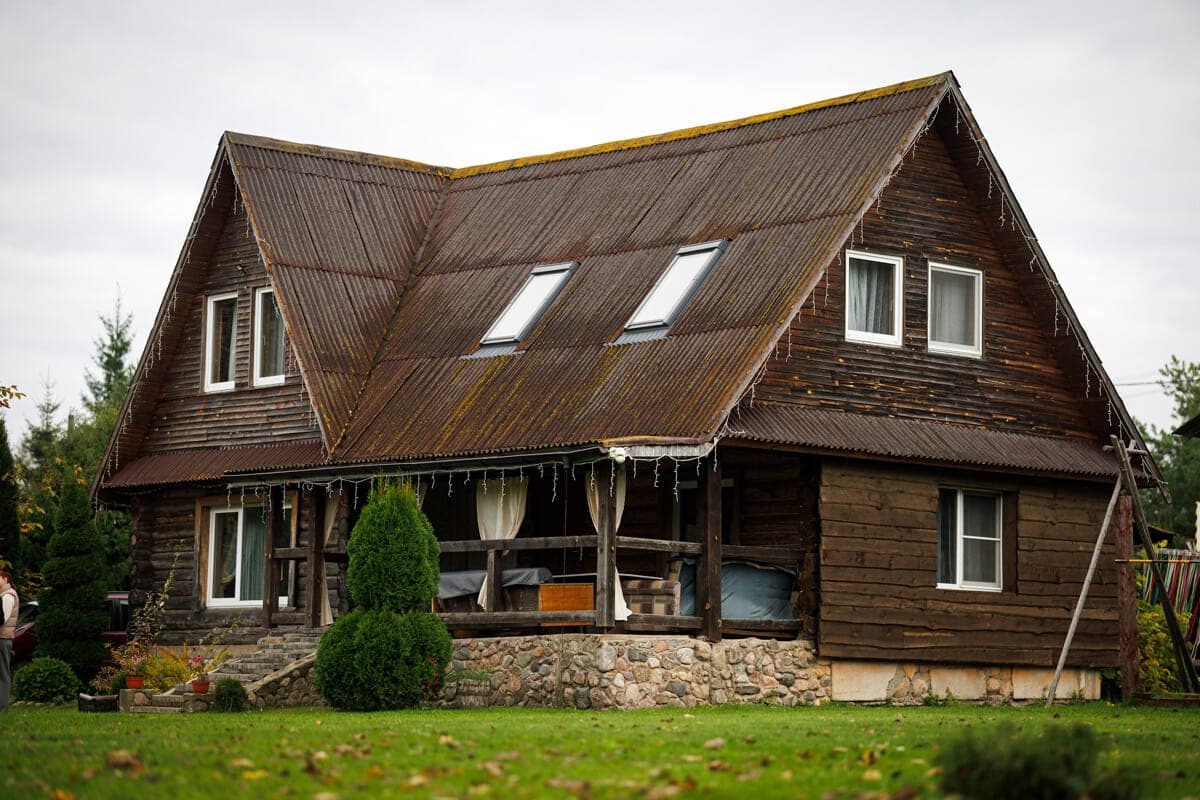
In Belarus, the main provisions of the Presidential Decree No. 275 of August 18, 2026 “On the development of agroecotourism” came into force. Belta reports.
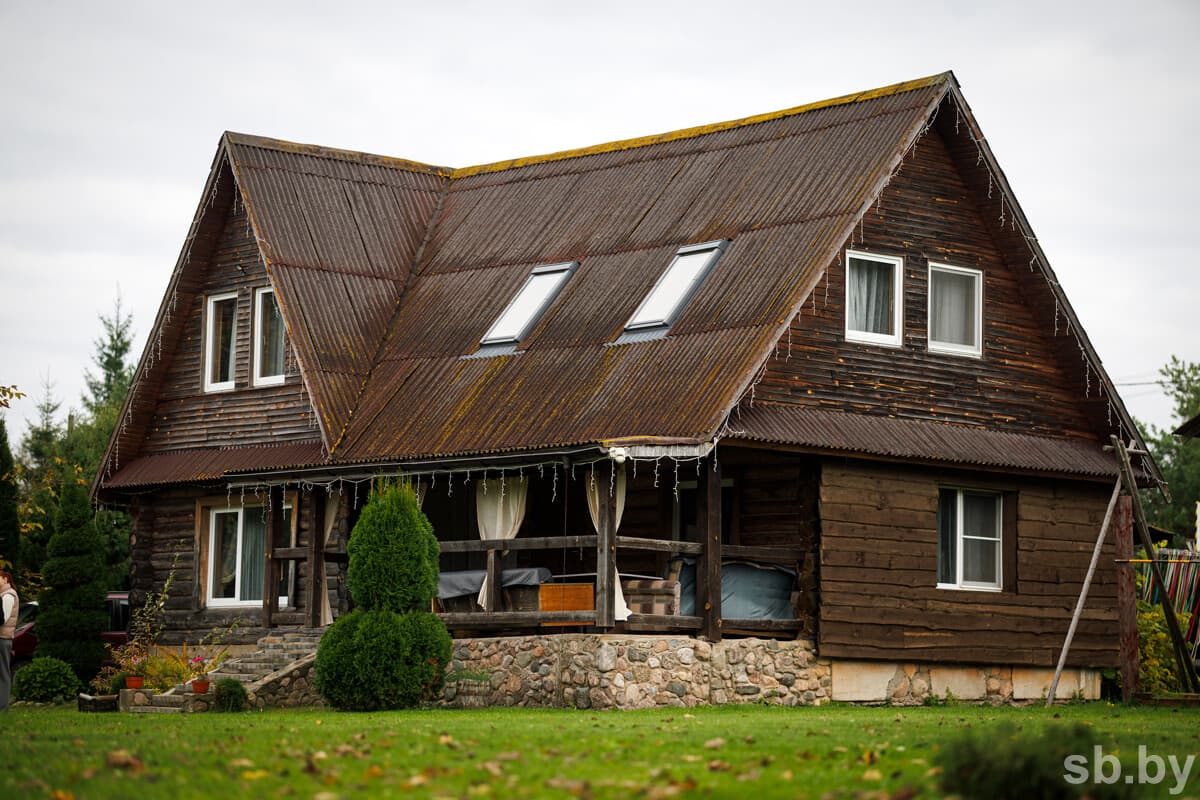
The state will specifically support those owners who revive traditions, crafts, local cuisine, rites and rural life. The room limit has been increased to 15. This opens the way to receiving not only small companies, but also large excursion groups. At the same time, the range of services has been expanded. Now in agro-eco-estates it is possible to hold gastronomic and thematic cultural events, family celebrations with observance of folk customs and traditions, as well as to develop leisure infrastructure - from baths and contact zoos to rental of inventory and organization of hiking. The decree clearly fixes the criteria that distinguish the agro-eco-estate from the standard hotel business. In order for the estate to be officially considered an object of agro-ecotourism, the owner must provide guests with at least two services from the approved list. And one of them should be the key, revealing the essence of rural rural recreation. Holding noisy events, such as weddings or festivals, now requires the consent of neighbors. Approval can be obtained in digital format - through SMS, messengers or email. The main thing is that the message should indicate the date, time and person who gave consent. Approaches to support agro-ecotourism in the regions are changing. For farmsteads located far from large settlements (at a distance of 10 or more kilometers from the district center, with the exception of the Minsk district), a special fee of 45 rubles is introduced instead of a tax on professional income. Preferential lending through Belagroprombank has become indefinite, the time limits have been completely removed. Loans are issued in Belarusian rubles at 5% per annum. The time for their return has been increased. Individuals can now count on payments for 10 years, and agricultural organizations that develop agrotourism - up to 8 years.
An important nuance is that the innovations will not affect those loan agreements that were signed before the decree came into force. All old obligations will remain in effect until the end of 2026, after which the owners will be able to switch to more favorable terms. Also, from November 20, the Government decree entered into force, which is aimed at implementing the decree. The creation of a single digital register of agro-eco-houses is launched, the procedure for maintaining the information base is fixed. The existing estates (more than 1,440 of them) will have to create personal offices on the Smart City (Region) digital platform within a month. For tourists, the register will become a convenient and reliable online catalog, for estate owners – a platform for image promotion, and for the state – a tool for accurate industry analytics.
Registration of documents online Another innovation is the registration of documents online. Individuals will be able to apply for the start of work as an agro-ecoesta or for the use of a special collection remotely through a single electronic services portal. At the same time, the possibility of the usual paper format of submitting documents to the district executive committee remains.
An exhaustive list of documents for obtaining a preferential loan (at 5% per annum) in OJSC Belagroprombank for the implementation of projects in the field of agro-ecotourism has been determined. This approach minimizes the time costs of owners of farmsteads for visits to the bank, making a loan easier and faster. The resolution also establishes standard forms of contracts for the provision of services between agro-ecotourism entities and agro-ecotourists or organizations, including tour operators, the procedure for the administrative procedure related to the decision to provide services in the field of agro-ecotourism, and the work of district commissions for a comprehensive assessment of the activities of agro-ecotourism.


