
Notes and prohibitions on October 26: how on Agathonov day to wash off the autumn blues without damaging the budget
The Orthodox world on October 26 celebrates the bringing to Moscow of the miraculous Iberian Icon of the Mother of God, and also honors the memory of the martyrs Agathopod and Theodoulus
The fiery miracle of Byzantium: the history of the Iverian Gatekeeper
The Iveron Icon of the Mother of God (Portaitissa, or Gatekeeper) is one of the most revered images of the Virgin in Christianity, the history of which is filled with amazing miracles. According to legend, in the IX century, during the cruel destruction of the shrines by iconoclasts, a pious widow from Nicaea tried to save her face from desecration. When an armed warrior struck a tree with a spear, real blood flowed from the pierced right cheek of the Mother of God, the trace of which remained forever on the icon. To protect the image, the woman with prayer lowered him into the sea, and the shrine in an upright position floated along the waves.
Two centuries later, the monks of the Iberian Monastery on the Holy Mount Athos saw in the middle of the sea a pillar of fire rising to the very sky - at its base on the water stood the very Nicene icon. The holy Elder Gabriel walked along the sea waves as on land, took the image and transferred it to the main temple of the monastery. However, in the morning the icon mysteriously appeared above the monastery gates. This miracle was repeated until the Virgin appeared to the elder in a dream with the words: “I do not want to be guarded by you, but I want to be your Guardian.”.
Since then, the image remains at the gates of Athos, and on October 26, believers remember the event of 1648, when the exact list of this great shrine was solemnly brought to Moscow. Before the Iberian icon pray for healing from serious ailments, protection of housing from fires, enemies and consolation in the most difficult life circumstances.
Why is the day called Agathon
In the folk tradition, the feast of the Iberian Icon was inextricably intertwined with another important church event - the day of memory of the holy martyrs Agathopod, the deacon, and Theodoulus, the reader who suffered for the faith in the III-IV centuries in the Greek city of Thessalonica. During the persecution of the emperor Diocletian, they refused to give the sacred books to the pagan authorities, for which they were thrown into prison, tortured and drowned in the sea with heavy stones tied to their necks. The wave carried their bodies ashore in shining white robes and without ropes, after which the Christians were able to secretly bury them.
In Russia, the steadfastness of the elder deacon caused sincere admiration, and he began to be considered a reliable heavenly defender from unjust judgment, slander and family strife. That's just the ornate Greek name "Agaphopod" people adapted to the usual "Agafon".
Rites of purity: how to appease the spirit of the steam room and attract good luck
Since the day was considered a time of total cleansing before the cold, the hostess from early morning arranged general cleaning: washed the floors, cleaned the corners and changed the bed linen, believing that cleanliness attracts the grace of the Iverskaya Gatekeeper to the house. Men at this time hotly drowned baths and prepared healing infusions of chamomile, linden, nettles and St. John's wort. It was believed that the hot herbal vapor is able to expel from the body even the most old and severe ailment, preparing the body for winter frosts.
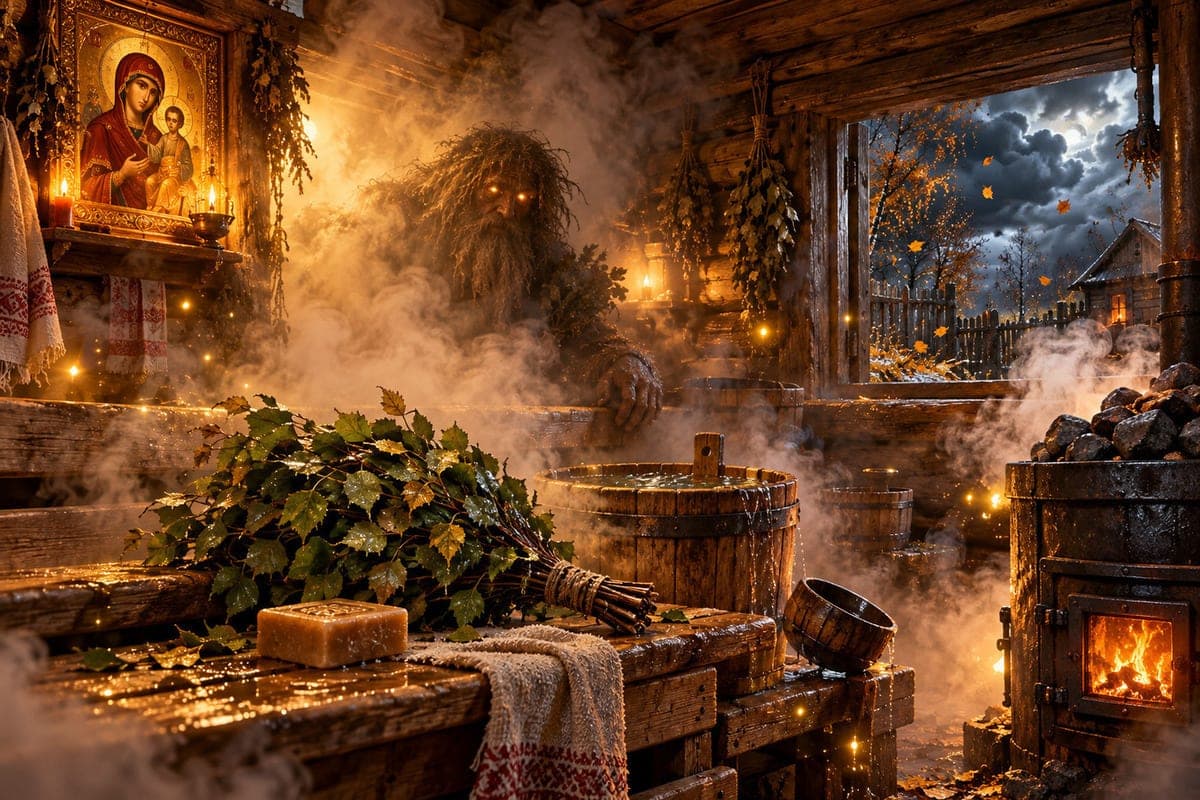
However, a visit to the bath required a strict ritual, because Bannik was considered the full owner there - a capricious and sometimes dangerous spirit. To appease him, a piece of soap, a fresh birch broom and a bucket of clean warm water were necessarily left on the shelf.
Young girls this evening arranged fortune-telling on fresh village eggs: rolled them over the flame of a candle, and then gently poured squirrel into the water, trying to make out the contours of a future wedding or the face of a bent.
What could have caused lack of money and trouble
Violation of centuries-old taboos on Agathon Day, according to legend, threatened serious financial and personal turmoil. On October 26, it was strictly forbidden:
What Nature Warns About
Close observation of the world around us on October 26 helped to make a weather forecast for the coming weeks and understand what the coming spring will be like:


