
Notes and bans on Paraskeva Friday November 10: how to correctly count the stash and not anger the patron of marriage
November 10 Orthodox world honors the memory of St. Paraskeva Friday
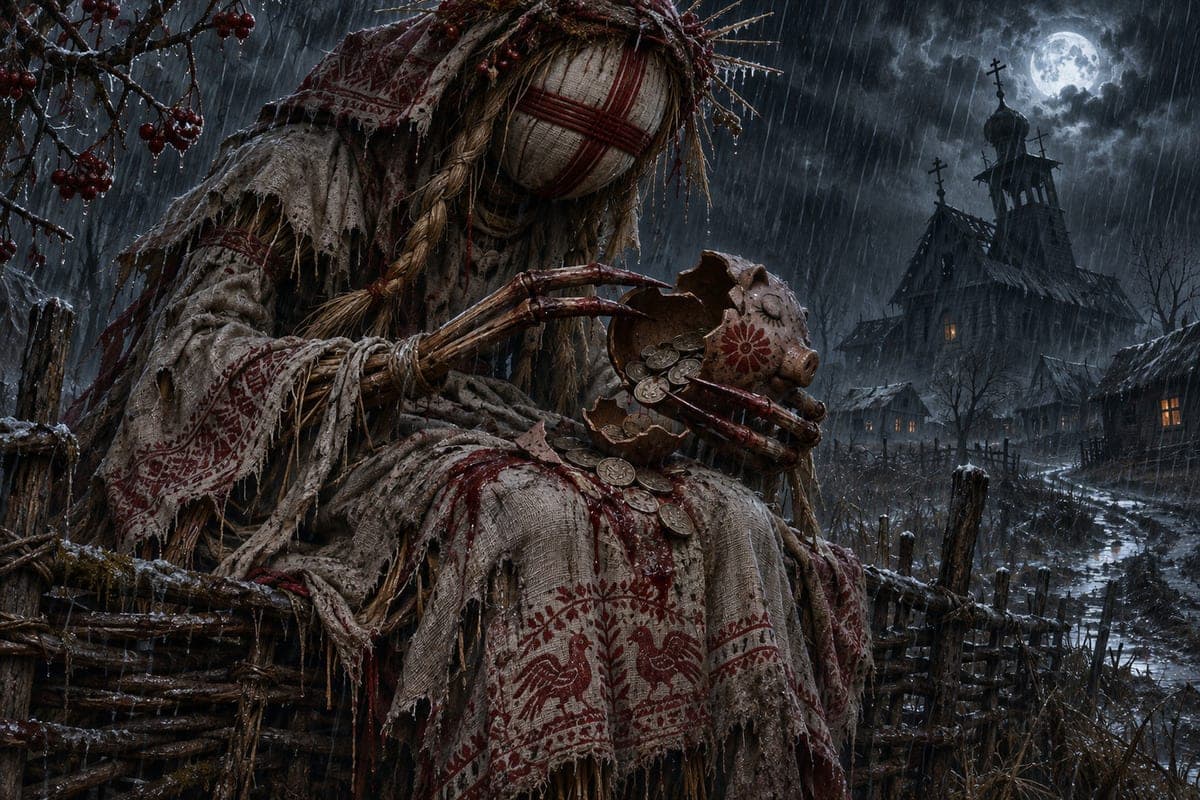
Great Martyr Paraskeva: From Byzantine Tortures to Slavic Cult
The main heroine of this day is the holy Great Martyr Paraskeva, who lived in the III century in Iconia (modern Turkey). Her story began with a parental prayer: rich and pious spouses did not have children for a long time and fervently prayed to God on Fridays - the day of the cross sufferings of Christ. When they finally had a long-awaited daughter, she was named Paraskeva, which means Friday in Greek.
Being an orphan at a young age, the girl distributed her inheritance to the poor, gave a vow of virginity and began to actively preach Christianity. During the persecutions under the emperor Diocletian, Paraskeva was seized, subjected to cruel torture and, failing to break her faith, beheaded.
In the popular consciousness of the Slavs Paraskeva Friday took the place of the ancient Slavic goddess Makoshi. The Christian saint became the main “baby intercessor”, earthly, close and understanding. She was prayed for marriage, getting rid of infertility, help in childbirth and success in domestic crafts. She was credited with power over earthly fertility, livestock and even springs: Paraskeva icons were often placed at wells, considering the water in them to be healing.
The sanctuary and the sanctuary of sins
In Russia, November 10 was also called Linenitsy, because at this time women began to crumple and thrash the flax of the new harvest. There was even a tradition to arrange "linen bundles": the girls boasted to future mother-in-law and husbands of their ability to process flax, hanging the first battered bundles on fences.
Another important tradition is counting money. It was believed that if you count all the cash bills and coins in the house on November 10, then by the end of the year you will not face poverty. This should be done in secret from other people's eyes.
What not to do on November 10th
Since Paraskeva Friday strictly followed women's labor, the taboo list for the day looks like the perfect plan for a lazy weekend:
You can't sew, knit and embroidery. It was believed that anyone who picks up a needle on November 10, runs the risk of blindness, and Paraskeva "will take away his sight.".
It is forbidden to wash, wash the floors and generally contact with water in large volumes. This was especially true of washing the head and bathing children. According to legend, if you wash a child on Paraskeva, he will grow painful.
You can't laugh too much. The old people warned the youth: “Who laughs at Paraskeva a lot, he will shed bitter tears in old age.”.
Men were forbidden to work on the land and in the barn. Violation of this rule, according to legend, could lead to loss of livestock or crop failure in the next year.
You can not lend money and share home fire (matches, candles). Together with money or fire, family happiness and financial well-being could leave the house.
Weather forecast for mud and cherries
November 10th
On this day, the owners of both rare and very popular names celebrate their names. Congratulations are received by: Arseny, George, Dmitry, Ivan, Maxim, Nikolai, Stepan, Terenty and, of course, Praskovya (Paraskeva).
It is believed that people born on November 10 are distinguished by perseverance, the ability to keep other people's secrets and a penchant for creativity.
Interpretation of dreams on the night of November 10
Dreams seen on the night of November 9-10, as well as daytime dreams of this day were considered prophetic.
If you dream of clean water, a spring or a well, this is to spiritual purification, recovery from illness or good news.
Dream that you are entangled in threads or fabrics - in reality you are waiting for small intrigues and gossip that start behind your back.
To see gold in a dream or count coins - to small spending or deception, but paper money, on the contrary, promises real success in business.


