
The habit of doing this 3 times a day was associated with the risk of infection: there is a nuance
Want to avoid colds, flu, viral hepatitis C and more? A habit common in Japan may help
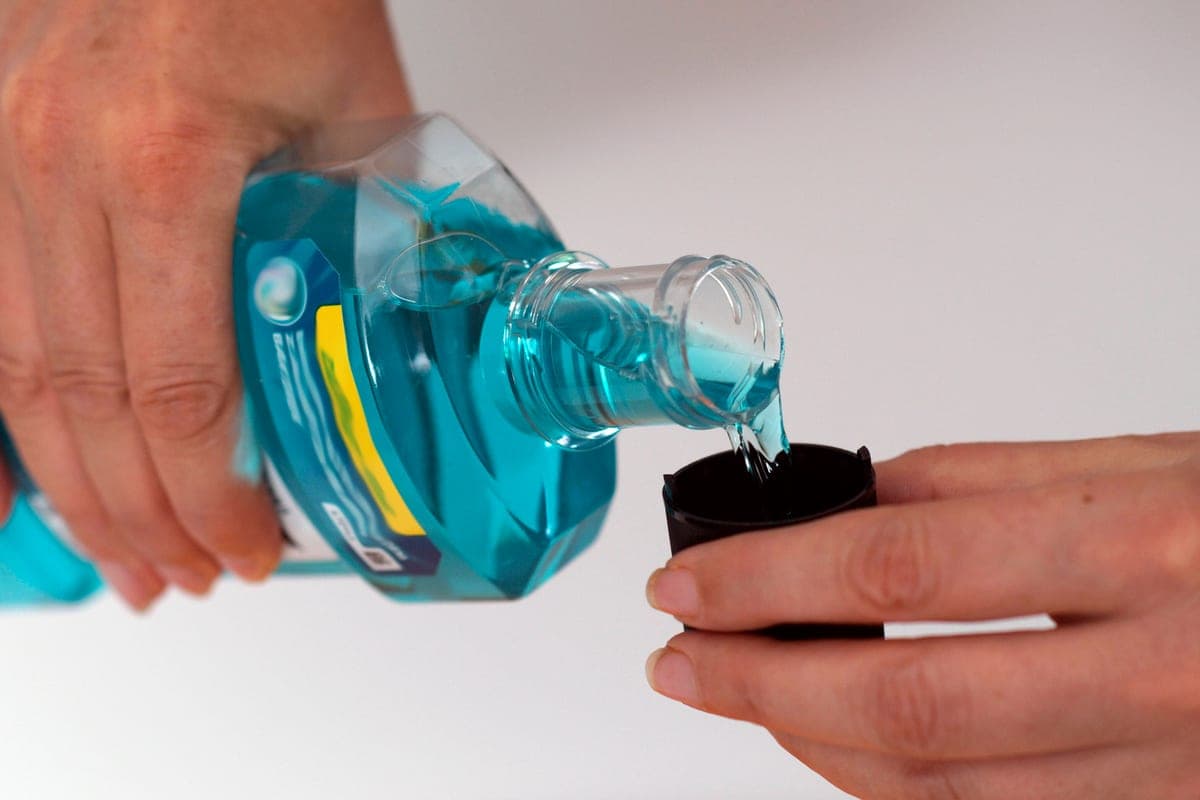
It's called "ugai" - mouthwashing with water, writes the New York Post. In Japan, it is as common as hand washing. In fact, gargling is often done while visiting a bathroom. The idea is that this procedure will displace and wash away harmful germs before they cause infection.
Researchers tested the effectiveness of ordinary water without gargling and gargling with a solution of povidone-iodine, an antiseptic sold in US pharmacies for sore throat. According to the New York Post, gargling with water is found to be far superior to both medication and non-gargle when it comes to keeping people healthy. But other researchers say the benefits are not so obvious.
The researchers divided 387 participants between the ages of 18 and 65 into three groups: one group continued to lead a normal lifestyle without gargling, another gargled with water three times a day, and a third gargled with a diluted antiseptic three times a day.
Research continued throughout the winter cold season, and many became ill within two months. Those who gargled with plain water had a significantly lower incidence rate of 36% compared to other groups. Those who gargled with medication had a slightly lower incidence rate, but it was not statistically significant. The authors also noted that those who became ill after gargling with water experienced milder symptoms, such as coughing.
But, the New York Post warns, there is a nuance. This study was done more than 20 years ago, in 2005, so it was time to look into it. The results of similar studies could not repeat these conclusions and led to mixed results.
A 2014 study made a similar comparison: gargling with tap water was compared to not rinsing at all. The researchers found no difference in who developed an upper respiratory tract infection.
A meta-analysis of 2005 and 2014 studies found that there is little evidence that gargling with water only helps with upper respiratory tract infections.
Another 2012 study found that gargling with water can reduce the likelihood of developing fever in young children (ages 2 to 6). The water helped, but the green tea was even better.
Since then, a number of studies have looked at gargling with green tea, which contains antioxidants called catechins, which some researchers suspected could help us fight colds.
A 2024 study found that green tea helped reduce respiratory infections compared to water, while a 2026 study found no statistically significant difference between the two.
As for other rinses, a 2025 study found that mouthwash could be useful in preventing respiratory disease, although it is important to note that they only measure symptoms, not confirm disease.
Despite all this, we do know that if someone does get sick, gargling can help manage symptoms, especially with salt water and mouthwash medications.
As one study showed, those who gargled with salt water and washed their noses, the runny nose decreased by two days. According to another study, gargling with a mouthwash relieved sore throat. Both help reduce swelling.


