
Project for 30 billion rubles: where did the idea grow "Tula tram diameters"
In Tula may appear project office "TTD" - so sounds the abbreviation "Tula tram diameters"
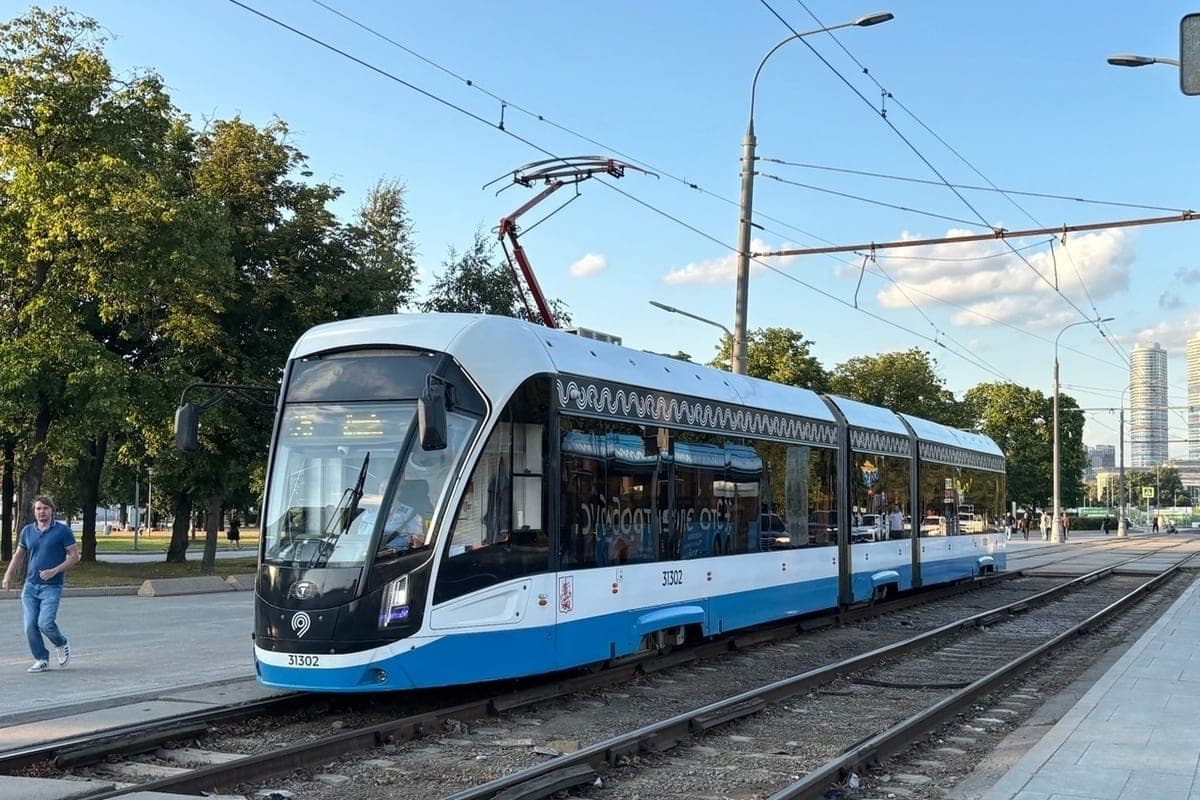
In Tula may appear project office "TTD" - so sounds the abbreviation "Tula tram diameters". A large-scale project for both implementation and investments is designed to modernize the current transport system of the arms capital of Russia. This means making logistics for both citizens and tourists more understandable and comfortable, and most importantly, faster.
If the project is given the green light in all instances, the first stage of its implementation will be the project office. This was told in a conversation with “MK in Tula” by the author and the main ideologist of the project Alexander Shishkin – a graduate of the magistracy program Transport planning of urban agglomerations of the Higher Engineering School at the Russian University of Transport.
The competence of the project office will include full coordination of the implementation of the TTD and increasing the efficiency of the transport system in the current realities.
Documentation, calculations, justifications, ordering third-party work, obtaining federal funding - and this is only an incomplete list of tasks.
If the project is agreed, all the necessary documentation will be prepared for 2027. The start of the project is calculated at the end of 2027 - the beginning of 2028, - explained in an interview with MK in Tula, the author of the project Alexander Shishkin.
At this stage, the potential for Tula from the implementation of the project was seen in the administration of Tula and the Tula City Duma. Their positive conclusion was given at the Russian University of Transport (RUT MIIT), the Russian Academy of Transport, the Department of State Policy in the Field of Road and Urban Passenger Transport (under the Ministry of Transport of the Russian Federation).
The author of the project offers at this stage two options for the start of its implementation.
“The first diameter is the first tram route. The second diameter is the ninth. Which stage will be implemented first, if the project is adopted, the decision will be for the region, for the city. How they think it is necessary, what will be more important and priority for them. The project at this stage involves the renewal of rolling stock. Including the acquisition of modern three-section trams "Vityaz" of the company PC CU, which has already delivered to Tula 22 modern tram Lvrenok, - explained Shishkin.
Trams "Vityaz" is distinguished by increased comfort in the cabin, low floor, large capacity, low noise, modern electronic systems and much more. This model is an attempt to create a city tram that can compete even with the subway.
According to Alexander Shishkin, the implementation of the project will require about 30 billion rubles. About the preparation of such large-scale changes in the transport system of the city, the publication “MK in Tula” wrote the first of the Tula media in the spring of 2026.
“The project includes not only the development of tram traffic, but also trolleybus traffic, as well as bus transport. At the moment, there is an understanding of how to optimize the current transport work – to provide the same load for less money. According to our estimates, about 100 million can be released and sent to other items of expenditure or to the development of the transport complex, Shishkin said.
He also called our publication the approximate cost of selling two diameters.
“In terms of investment. The first diameter will cost 6 billion rubles, the second - 3.5 billion rubles. About half of these amounts is the renewal of rolling stock, the author of the project noted.
According to the author of the project, "Tula tram diameters" will connect Tula with Moscow in a single transport system: a passenger on the IDC-2 reaches Tula, and then transfers to urban "diameters". To do this, it is proposed to separate tramways (today only half of them are isolated), the allocated lanes will protect trams from traffic jams and accidents, reduce the number of routes from 11 to 7, but with a smaller interval on each route.
Trams will run every 10 minutes instead of half an hour, and on sections with multiple routes, the interroute interval will be up to 3 minutes. At the same time, it is planned to rebuild the routes of buses and trolleybuses.
Moscow is the main reference point for the development of tram traffic. Among other regions, the reference point for the project is the Chelyabinsk experience, where a similar reform has been implemented since 2022: metrotrams have appeared there, and 96% of tram tracks are isolated. It is from there that the authors propose to take the model of regional financing - there is no current federal program for the purchase of trams in Russia.
In February this year, the project was presented to the Governor of the Tula region Dmitry Milyaev, he instructed the Ministry of transport to study the proposal. The cost of the works was estimated at about 30 billion rubles, the implementation period was up to 2031, and the first diameter (the section of the 9th route from the Moscow railway station to Metallurg, about 10 km) was planned to be launched by the centenary of the Tula tram in 2027.
The idea was approved at a meeting of the public council under the regional Ministry of Transport on May 15, 2026.
If the project is given a green light, including from the governor of the Tula region Dmitry Milyaev, then, tentatively, in 2028, at least two routes of the Tula tram diameter can be launched.
In the meantime, we can only look into the future, which draws Tulyak Alexander Shishkin for his native city. For example, now citizens need at least an hour to get from the Moscow station to the stadium "Metallurg". However, in the near future, if the project is implemented, this route will take about 30 minutes.
MK in Tula will monitor the development of the project.


