
The diet of the pet in the cold: whether it is necessary to increase the portion of the dog and cat in the winter, which vitamins will support the hair
Find out whether you need to increase the portions of the dog and cat in the winter, what vitamins will support the coat and how to adjust the diet without harming the pet.
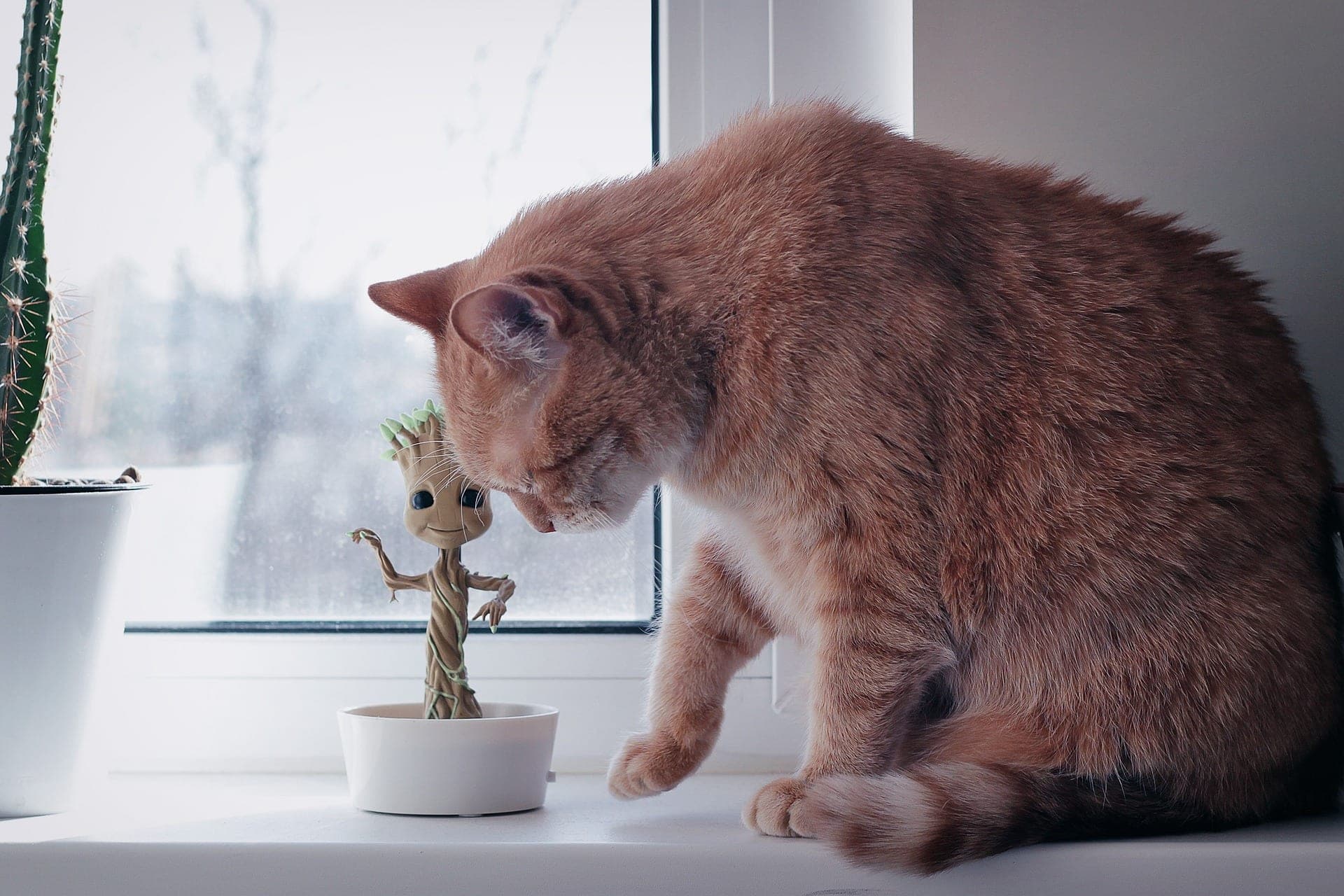
At the end of November, the Arctic cold and wet snow came to Belarus, and the temperature background was set about a degree below the climatic norm, so some owners “transfer” animals to the winter regime: more in a bowl, a couple of additives on top. The good news is that in most cases, you don’t have to. Bad - that overfeeding in winter is much more likely to hypothermia, at least for apartment pets. We understand who really needs calories, and who – a warm bed and a careful look at the wool.
Home Pets "winter" food does not need
The main factor is not the date in the calendar, but how much time the animal spends in the cold. If a dog and a cat live in an apartment where the usual 20-23 degrees are kept, their energy consumption in winter practically does not change. Moreover, in many dogs, activity decreases with the arrival of cold weather - walks are shorter, cats generally move to the battery. Unspent energy does not disappear anywhere: it is deposited in fat, and then - excess weight, stress on the joints and the risk of metabolic disorders.
Veterinary therapist Irina Ilyina formulates this rigidly: for apartment animals, an increase in the portion can be more dangerous than hypothermia. Pet appetite increases for the future, even if real energy costs do not grow. Most city dogs spend no more than an hour outside in the winter, often in clothes - the daily rate of feed for such pets is not necessary.
Exceptions are enclosure and street animals, service, sled and hunting dogs, smooth-haired pets that spend much more energy on heating the body. In working dogs, the need for calories in winter can increase by 1.5-2 times compared to summer. In Belarus, this is relevant: dogs living in booths and enclosures in private houses, country villages and guarding the territory, really freeze in winter and spend more on thermal regulation.
If you correct it, then carefully
For those who really live in the cold, a simple rule works: adjusting, not changing the diet.
- 1.Increase the portion by a maximum of 5-15%, gradually, over a few days - a sharp increase in the volume of feed threatens digestive disorders.
- 2.Dogs are often more profitable not to “pump more”, but to switch in the line of the same brand to a more high-calorie diet marked Active, Performance or Sport – there is a higher proportion of protein and fat, and the animal receives energy from a smaller amount of food.
- 3.Watch the weight: if the undercoat hides the ribs - you are on the right course, if the ribs are not felt at all - the portion should be reduced.
- 4.And if the dog walks less than usual in winter and does not freeze at home, on the contrary, it makes sense to reduce the portion.
One moment is water. Batteries dry the air, and the pet in the heating season should drink the same as in the summer: fresh water should be available constantly, regardless of the season.
Vitamins for wool: what works and what is extra
In winter, the wool suffers not from frost - apartment animals do not come to it - but from dry air and batteries: the skin peels off, the hair becomes brittle. The classic "wool" line of supplements includes:
- 1.Omega-3 and omega-6 are fatty acids that support the lipid barrier of the skin, reduce dryness and give the coat a shine.
- 2.Biotin (vitamin H) - participates in the synthesis of keratin; with its deficiency, the wool thins, dims and dandruff appears.
- 3.Vitamins of group B and zinc - nutrition of the skin and hair follicles, health of the skin, especially during molting.
- 4.Vitamins A and E – skin cell renewal and antioxidant support.
But there is an important caveat that veterinarians insist on especially: if an animal eats full-fledged industrial feed, vitamins and minerals are already there, and with a margin. Additional fertilizing “just in case” can be not only useless, but also dangerous – an excess of some vitamins and minerals will harm. The meaning in supplements appears if the pet is on a natural diet, he has a prolonged molt or noticeable dry skin - and then the complex is better to choose together with a veterinarian, because bald spots and itching are a symptom of the disease, and not a lack of vitamins.
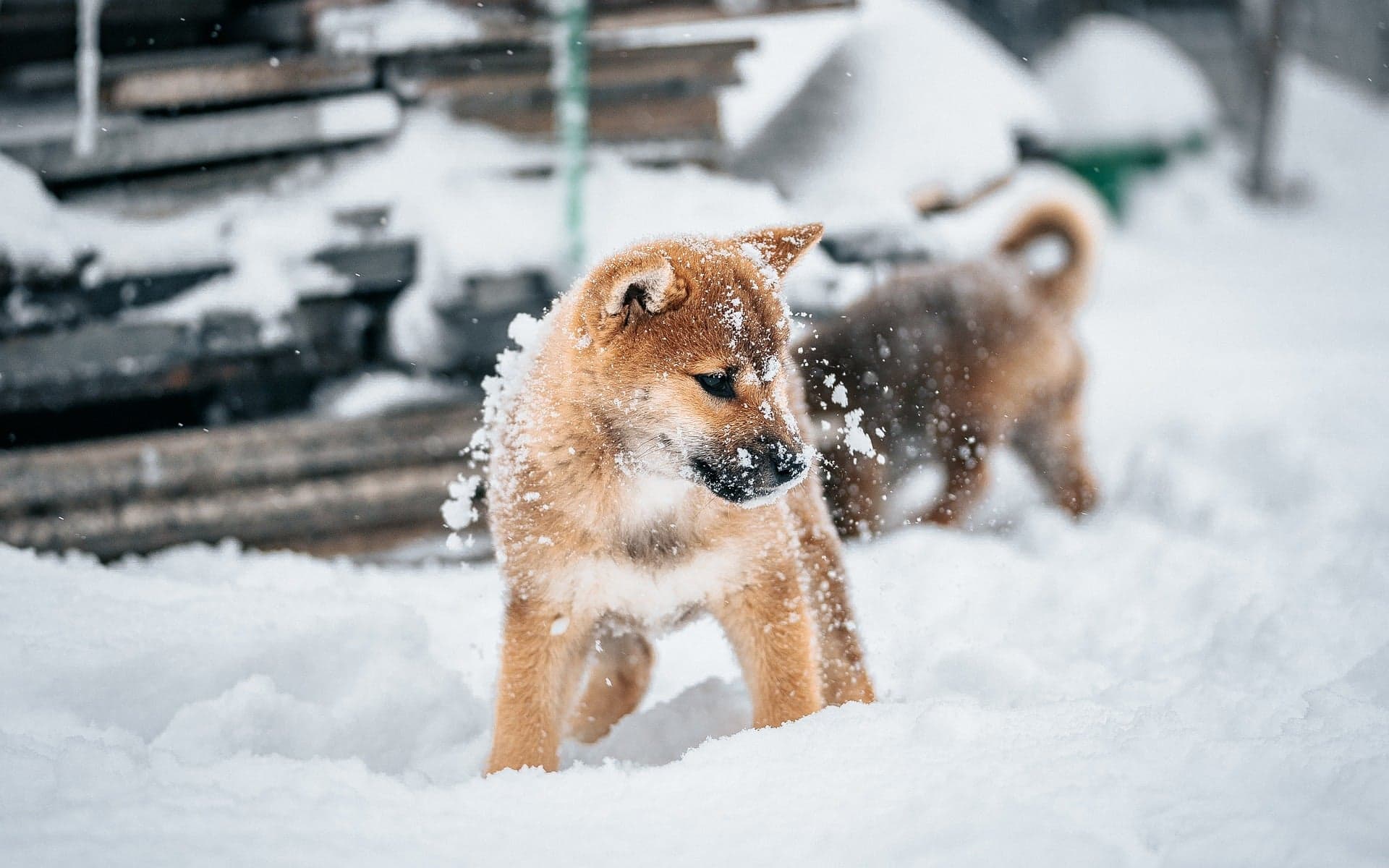
What to buy in Belarus and how much
The range of wool additives in Minsk is wide, for any budget:
- 1.Salmon oil is a source of omega-3 in the vial; on Wildberries.by, a bottle of 100 ml costs about 20-28 rubles, depending on the brand.
- 2.Asset "Beauty and health of wool" for dogs (120 tablets) - about 21 rubles in e-zoo.by.
- 3.Omega Neo + Brilliant wool with biotin and omega-3 (90 tablets) - from 5.89 rubles in Minsk 7745.by, this is one of the most affordable options.
- 4.Complexes with beer yeast (for example, 8in1 Excel, 140 tablets) - about 21 rubles.
Seasonal lifehack for money: couches and warm blankets in Minsk zoomarkets are now sold at discounts of up to 40% - a warm place without drafts for a pet will be cheaper than "winter" food, and the tenant will have more benefits from it.
And for those who have neither a couch nor a bowl are guaranteed
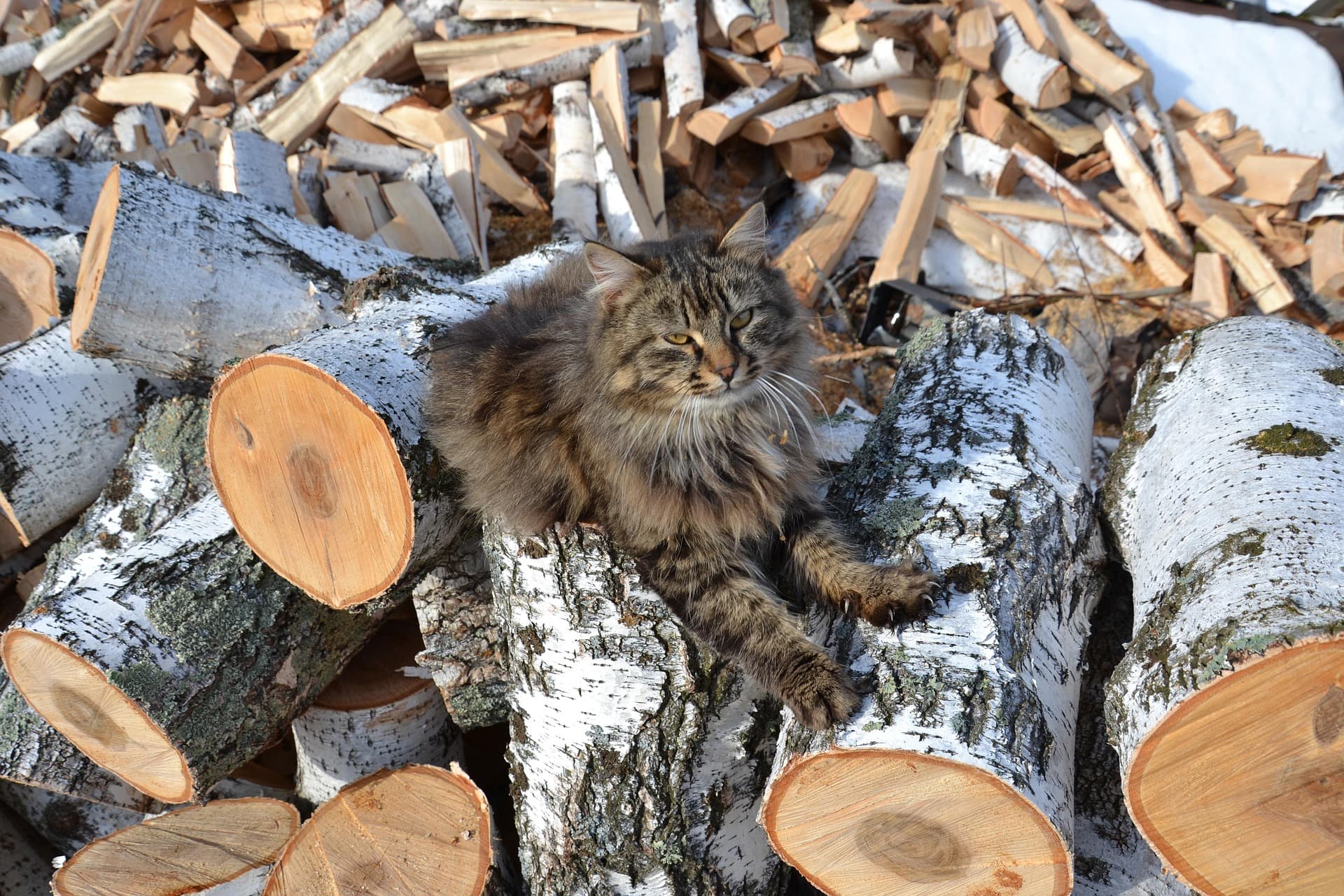
Every winter in Belarus, the issue of heat is literally a matter of life and death for stray animals. The public association “Cat and Dog” reminds of simple steps that really work: do not start a car without checking under the hood and wheels – cats warm there; knock on the hood before starting the engine; feed and, if possible, help a street cat with a simple shelter. Shelters – from Minsk “Aegis” to Vitebsk “Maxlay” – in winter take food, blankets and any support; more important than a package of food – a house for a specific animal from the catalog.
What's the bottom line
An apartment cat and a dog that walks for an hour in a jumpsuit, do not need to increase the portion - in winter they are more likely to be overweight than hungry. To adjust the diet is only enclosure, working and smooth-haired animals - and not by volume, but by nutrition, plus 5-15%. Vitamins for wool make sense to add only with natural feeding or obvious skin problems, and the nature of "wool" supplements is omega-3, biotin, B vitamins and zinc. And the main “vitamin” of winter is ordinary water in a bowl and a warm angle away from the battery.
Read also:
- 1.How to strengthen the immunity of an adult and a child before the winter: the top of useful products and vitamins from Belarusian pharmacies
- 2.What and when to mulch a garden for the winter in Belarus: a detailed guide for summer residents
Photo: pixabay, used for illustration


