
Christmas of the Most Holy Mother of God: what can and cannot be done on September 21
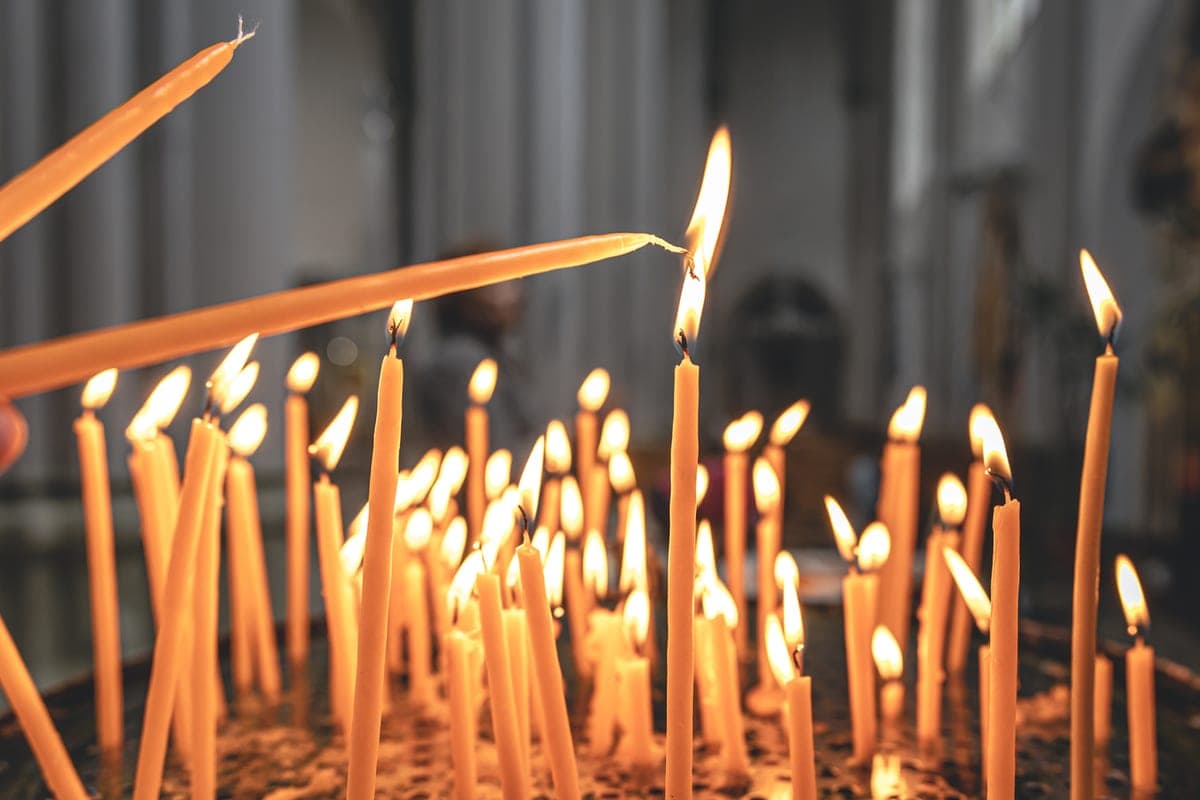
On September 21, Orthodox Christians celebrate one of the main holidays of the church year - the Nativity of the Most Holy Mother of God
History of the holiday
The Nativity of the Most Holy Mother of God is the first twelfth feast of the church year. The event that is remembered on this day is not described in the New Testament: knowledge about it came from the Church Tradition, in particular from the Proto-Gospel of James, written in the second century.
According to legend, the Virgin Mary was born to the righteous Joachim and Anna, who lived to old age, but did not have children. This was a source of grief for the couple and caused public censure. One day, when Joachim came to the Temple, the high priest did not allow him to offer sacrifice to God, saying, “You did not make offspring for Israel.” Then Joachim withdrew into the desert to pray, but Anna stayed at home and prayed. An angel appeared to them and told them that the Lord had answered their prayers.
After that, Anna conceived. The righteous vowed to consecrate the child to God and gave her daughter Mary to the Temple of Jerusalem. "" The holiday symbolizes the beginning of the history of salvation of mankind: the One through whom the Savior will come came into the world.
In folk tradition, September 21 merged with the ancient harvest festival - Osenins. It was believed that from this day autumn enters into its full rights.
What to do on September 21st
What not to do on September 21st
The Church does not prohibit cleaning, washing, sewing or cooking - such restrictions are popular beliefs, and prayer and spiritual work remain the main thing in the holiday.
People's signs for September 21


