
From October at the gas station introduced innovations when refueling the car
Refueling in a new way: 4 main changes at the gas station this fall, which every driver should know about.
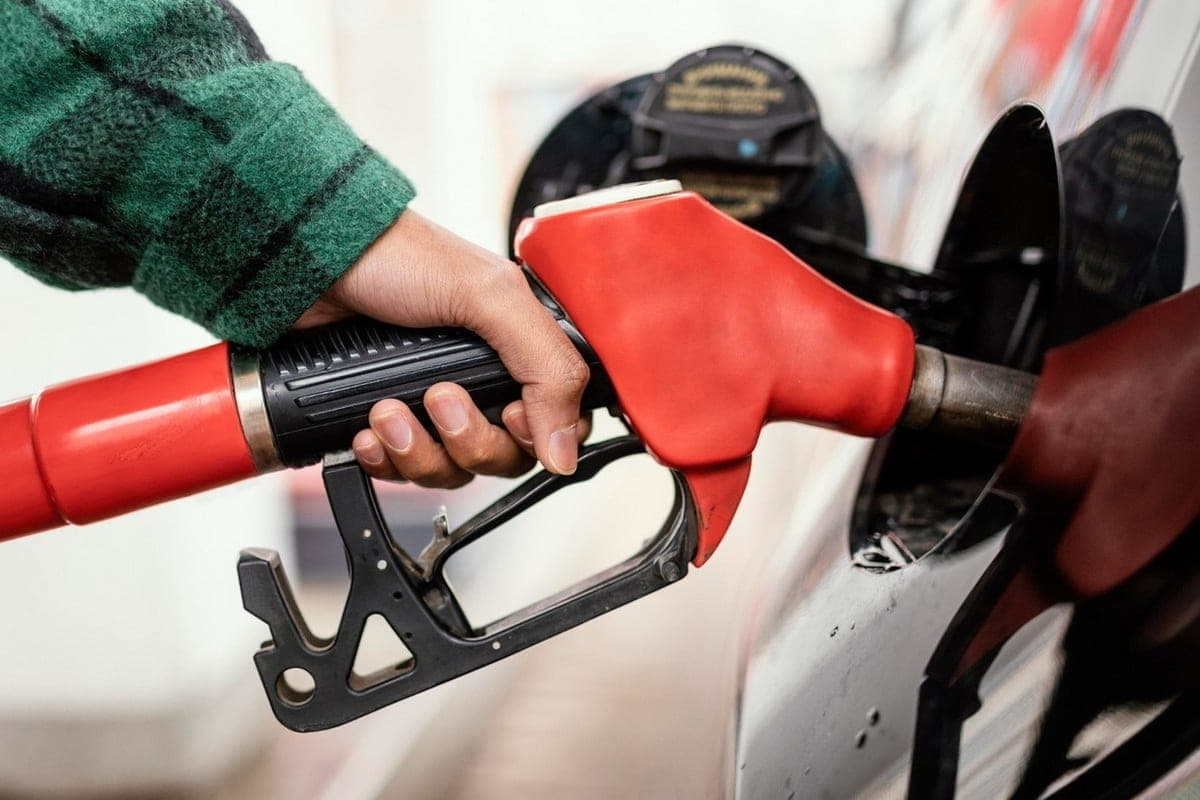
The coming October 2026 brought to the car owners not only the traditional change of rubber, but also the updated regulations of gas stations. The habitual process of obtaining fuel is transformed, and in order not to fall victim to deception or accidental violation of the rules, it is worth exploring four key innovations.
1. Fixing every liter.
The time of “gray” schemes at gas stations is officially over. Now gas stations are obliged to conduct through the online cash register absolutely the entire volume of fuel sold. For ordinary drivers, this means only a more thorough check of large bills by cashiers. But legal entities, accustomed to cash payments, will have to rebuild logistics due to a significant tightening of limits and requirements for accounting.
2. Hunting for the Gullible: Fake QR Codes
The trend for contactless payment right at the gas station was immediately adopted by scammers. Attackers massively glue their stickers with codes on top of regular payment terminals. The result is sad: the motorist is sure that he pays for gasoline, and the funds instantly go to the accounts of criminals.
*Ignore suspicious paper stickers on the guns or equipment. It is safer to pay through proprietary applications of gas station networks or directly at the ticket office of the building.
3. Strict price and quality control.
There are no business breaks anymore. Supervisory agencies have strengthened monitoring of the real characteristics of fuel and its storage conditions. The information boards now must necessarily display extremely accurate data on the cost and properties of fuel. Hide low quality or unreasonably overstate the price tag without serious consequences will not work.
4. Environmental and fire safety under the microscope.
Inspectors are now focused on compliance with environmental and fire safety standards. Unscheduled revisions will first of all come upon those stations that are located in dangerous proximity to residential areas.
Source