
Saratov has risen to 45th place in the availability of rental housing
Saratov region moved to the 45th line in the all-Russian list of regions on the availability of rental apartments
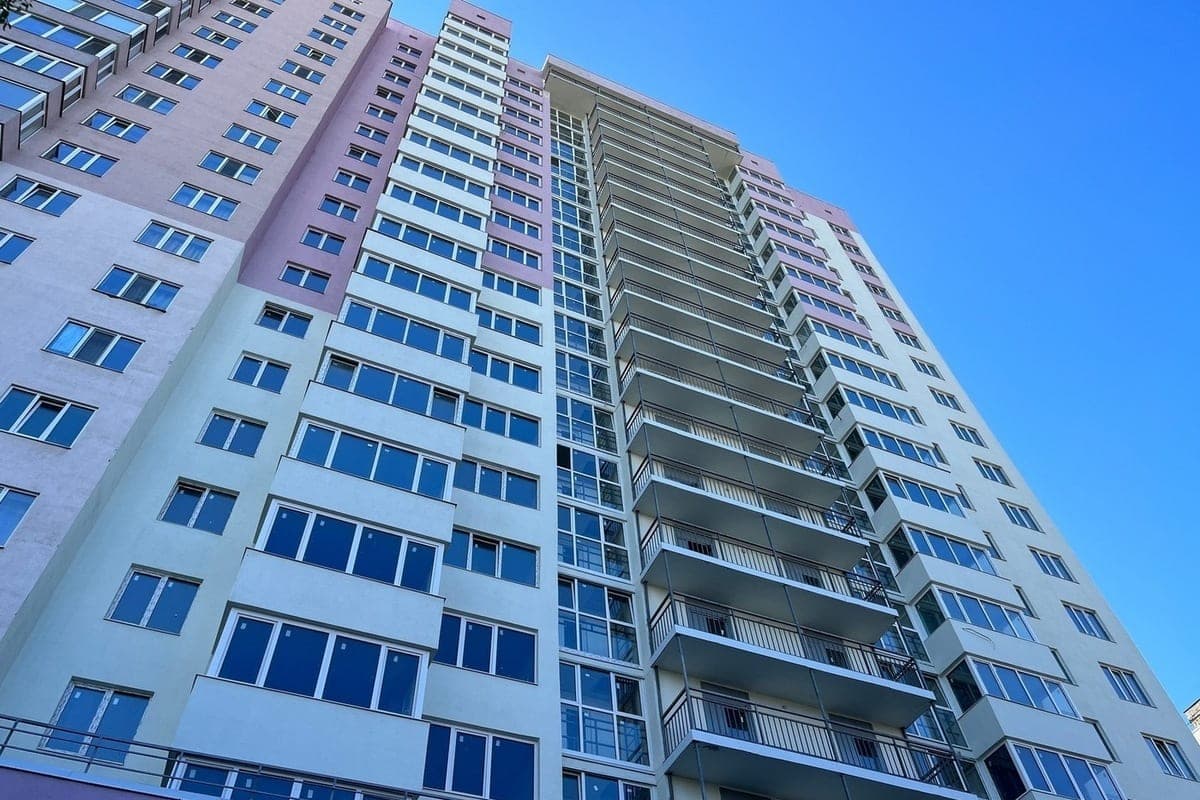
The Saratov region moved to the 45th line in the all-Russian list of regions in terms of the availability of rental apartments. This is reported by the annual study of RIA Novosti, published on Monday, October 26. In the current 2026, 51.7% of local families with two children have the opportunity to rent two-bedroom housing and pay for basic needs, while previously this figure was 45.9%. At the same time, the required monthly budget for renting real estate in the region increased from 95.9 to 101.9 thousand rubles.
According to analysts, the rise in the cost of real estate and tough housing lending conditions force citizens to refuse to purchase their own living space. Against this background, renting becomes an uncontested solution, although for many residents of the country it is still too heavy a burden due to the accompanying daily expenses. Nevertheless, due to the outstripping increase in wages, the average level of affordability of renting apartments in Russia in 2026 updated the historical maximum and recorded at 53.6%.
Positive changes were recorded in 81 subjects of the Russian Federation, and the all-Russian indicator increased by 3.5 percentage points in twelve months. On average, in the country to service the rent of “two” and current expenses, the family needs to earn 131 thousand rubles. Heads the list of Khanty-Mansiysk Autonomous Okrug, where 77.5% of couples with children can afford such housing with an income of 140 thousand rubles, in second place is Yamal (77.4%), and the top five are Magadan region (72.1%), Tatarstan (66.7%) and Sakhalin (66.4%). The barrier of 60% was overcome by 19 territories, and indicators from 50% to 60% have another 32 regions, including the Saratov region. The most difficult situation is noted in the North Caucasus: in Dagestan and Kabardino-Balkaria, the bar does not reach 25%, and in Chechnya and Ingushetia, the figure fell below 20%.


