
A fine is inevitable: what things should not be stored in the entrance
An electric scooter in the entrance will cost you 800 thousand rubles: it is strictly forbidden to store in the CD.
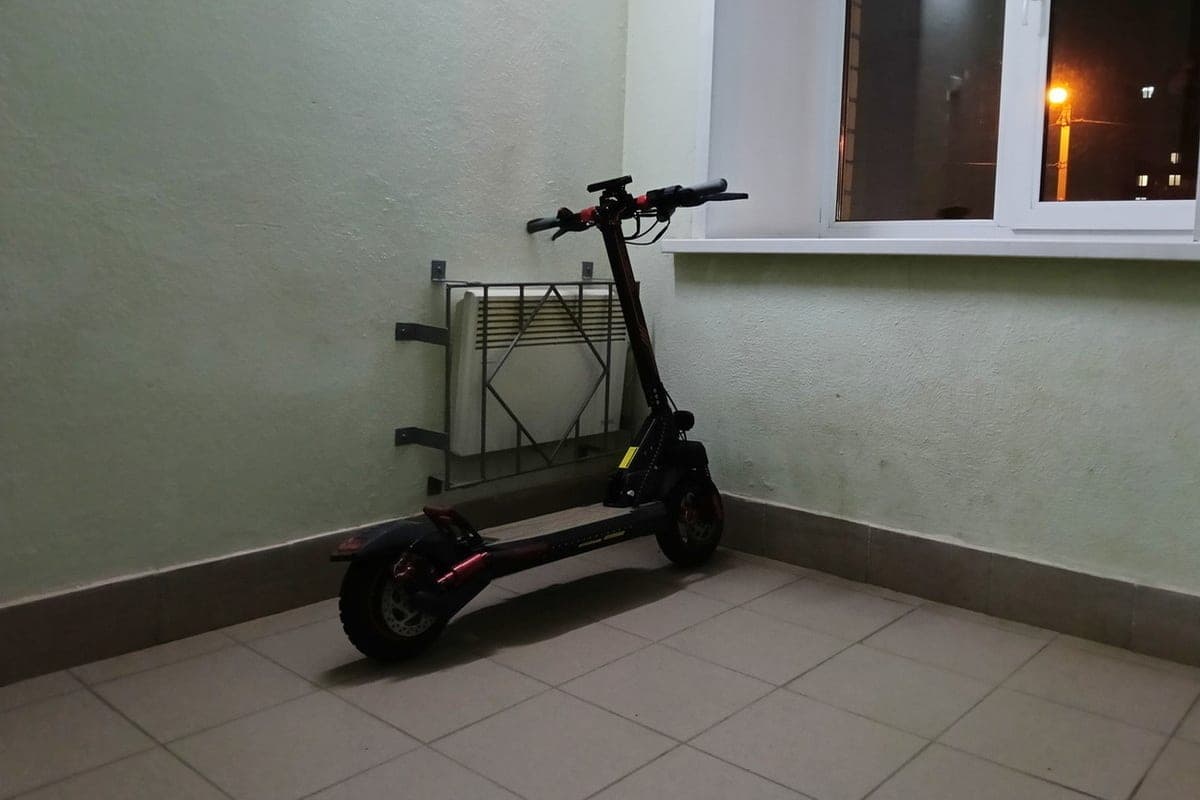
Many residents of apartment buildings out of habit leave electric scooters, gyroscooters or removable batteries on stairwells and in common tambours. However, this is not just a bad tone, but a direct violation of fire safety rules, for which a very serious fine is provided.
How much do you have to pay?
According to Article 20.4 of the Administrative Code of the Russian Federation, the basic fine for citizens is from 5 to 15 thousand rubles. But that's just the beginning. If because of the left in the entrance of the gadget there is a fire, damage to other people's property or people suffer, the amount of recovery can grow to 800 thousand rubles. Moreover, the perpetrator faces criminal liability: a fine of up to 120 thousand rubles or imprisonment for up to one year.
Where is it forbidden to store?
The rules categorically prohibit cluttering the places necessary for emergency evacuation: stairways, common corridors and halls near elevators. Also under a strict ban lofts, basements and ground floors (except if the project house has specially equipped rooms for such purposes).
What is the main danger?
Lithium-ion batteries in case of overheating or mechanical damage are capable of sudden spontaneous combustion. They emit thick toxic smoke, which fills the flights of stairs in a matter of minutes, blocking the path to rescue. It is no less dangerous to charge several devices simultaneously in the corridor or leave batteries on open balconies, where temperature and moisture changes can provoke a short circuit.
What happens if neighbors break the rules?
There is no need to tolerate a threat to life. If you notice a scooter or charging in the common corridor, feel free to file a complaint with the EMERCOM of Russia. Indicate in the appeal that the abandoned devices pose a real threat to human health. This will be a good reason for unscheduled inspection and forcing the violator to remove dangerous goods from public access.
Source


