
Forecasters gave a frightening forecast for the winter
The long-term forecast of the Hydrometeorological Center revealed sharp climatic contrasts: the Far East is preparing for severe cold, and in the European part of Russia the main threat will be created by icy rains and temperature swings.
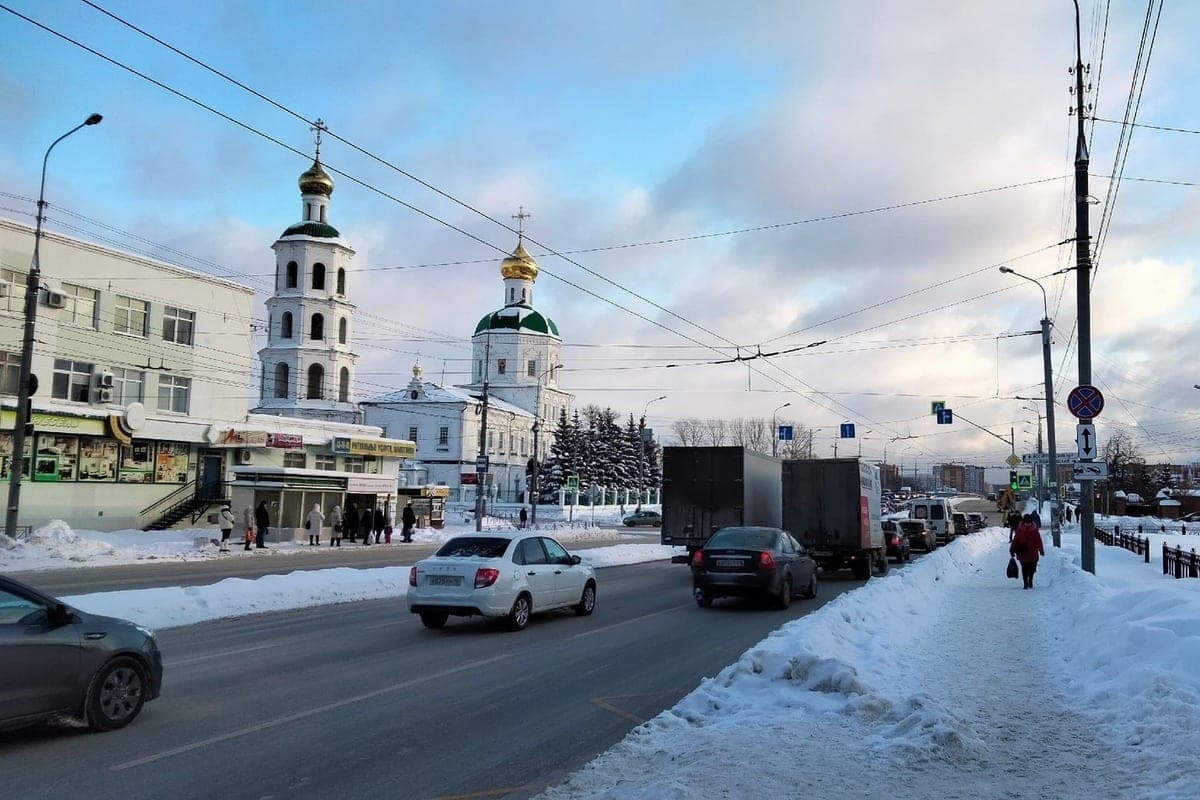
The coming winter promises to be extremely heterogeneous. According to the latest data of the North-Eurasian Climate Center, the most severe tests fall on the Far East. In the Magadan region, Chukotka and Kamchatka, the average temperature from November 2026 to January 2027 is likely to be below the climatic norm.
December will add cold weather to the south-east of Siberia, southern Yakutia, Buryatia, Transbaikalia, as well as the northern regions of the Amur and Khabarovsk regions. In January and February, the baton of frosts will be picked up by Chukotka, the north of Kamchatka and Primorye. At the same time, meteorologists emphasize: we are talking about average indicators, not about continuous cracking frosts.
Interestingly, the Urals and Western Siberia, on the contrary, can get a “preferential” winter: from November to January, there is expected warming by 1-2 degrees above the usual values.
For the European part of Russia, the forecast looks deceptively calm: the average temperature will be close to normal. However, the main danger lies in instability. Periods of severe frosts will be sharply replaced by thaws, which is fraught with wet snow, snowstorms and insidious ice. Such weather “swings” create maximum risks for motorists and pedestrians, requiring extreme caution.
Hydrometeorological Center reassures: there is no reason to wait for a record icy winter across the country yet. Current calculations are probabilistic and will be refined as cold weather approaches. However, residents of the eastern regions should already check reserves and monitor local storm warnings, and the rest should simply be prepared for the sudden vagaries of nature.
Source


