
Screenings for diabetes are organized for Kirov residents in the shopping center and at work
In the Kirov region actively develop the system of early detection of diabetes mellitus of the second type, making diagnosis more accessible to the population
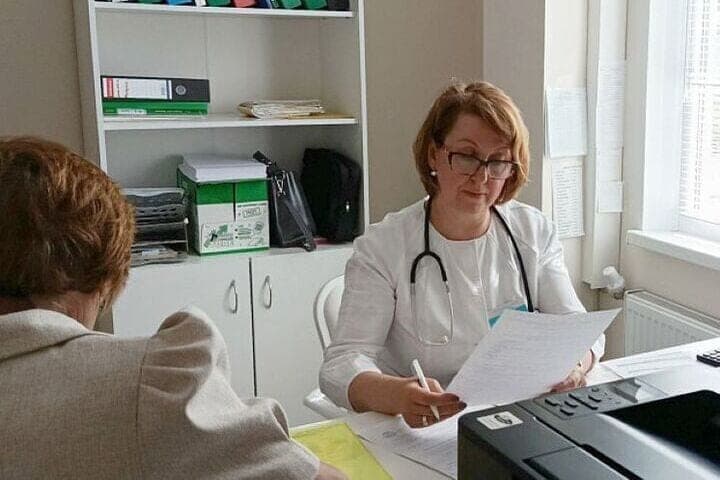
Residents of the region can pass the primary examination not only in clinics, but also in convenient exit formats.
In Kirov, the first such locations were large shopping centers, where the square allows you to comfortably place medical equipment and receive a large flow of visitors.
In addition, testing is regularly organized at enterprises and in labor collectives.
Over time, field screenings have grown into large-scale preventive work, which is overseen by the regional Ministry of Health and the Center for Public Health and Medical Prevention.
The survey program has significantly expanded: in addition to rapid analysis of glucose levels, doctors measure blood pressure, determine body mass index and advise citizens in detail on risk factors for diabetes, obesity and concomitant chronic pathologies.
This format allows you to identify hidden disorders of carbohydrate metabolism in the early stages, when a person does not yet notice alarming symptoms and does not consult a doctor on his own.
This approach significantly increases the chances of timely initiation of therapy and reduces the likelihood of dangerous vascular disorders.
If the results of rapid diagnosis cause caution, the patient on the spot is recorded for an in-depth appointment with the profile doctor of the Regional Endocrinology Center.
In case of confirmation of the diagnosis, the information is automatically transferred to the system of clinical and epidemiological monitoring for subsequent accounting.
Prevention and control of diabetes mellitus of the second type today unite the efforts of various medical units of the region.
Timely diagnosis serves only as a starting point, followed by the setting for dispensary accounting, the selection of an individual treatment regimen and the prevention of severe complications that directly affect the quality and life expectancy of patients.