
Smolensk customs officers helped to withdraw from illegal trafficking about 2 million packs of cigarettes
In the first nine months of 2026, mobile teams of the Smolensk customs checked 1,108 vehicles
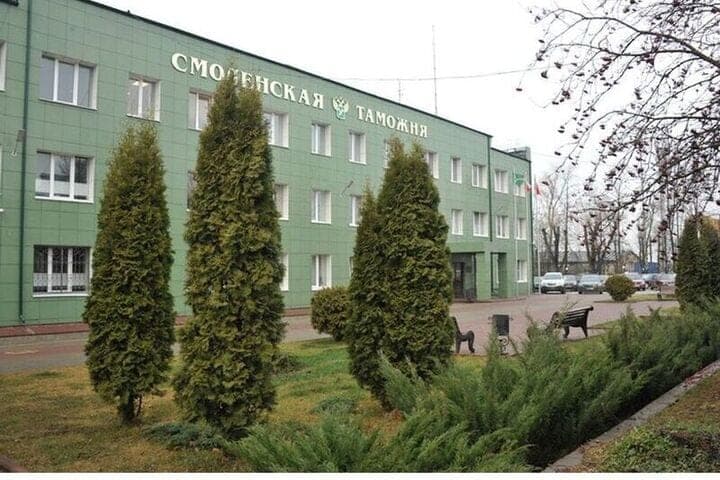
In the first nine months of 2026, mobile teams of the Smolensk Customs checked 1,108 vehicles. Such groups work on the roads of the region and check the actual cargo with accompanying documents, which allows to prevent the import of goods bypassing the established prohibitions and restrictions.
According to the results of the inspections, 484 consignments of goods with a total weight of 4745 tons were identified, moving with violations of various nature. Of this volume, 495 tons accounted for sanctioned products, another 443 tons for goods without mandatory labeling. In the last category were perfumes and cosmetics, low-alcohol drinks, motor oils, home textiles, clothes and shoes, toys and bicycles.
The collected materials served as the basis for the initiation of eight criminal cases on the grounds of a crime under Article 226.1 of the Criminal Code of the Russian Federation - smuggling of strategically important goods. About 2 million packs of cigarettes and more than 200 kg of salmon caviar were seized from illegal trafficking.
Another 11 criminal cases were initiated under Article 171.1 of the Criminal Code of the Russian Federation for the transportation of products without markings provided for by the legislation of the Russian Federation. These cases were initiated by the territorial body of the Ministry of Internal Affairs of Russia, where the Smolensk customs sent materials on competence. In addition, as a result of the work of mobile groups, 154 cases of administrative offences were initiated.
Control of the domestic market remains a separate area. Here, customs officers revealed violations related to the storage and sale of more than 10 thousand units of products without mandatory means of identification. We are talking about tobacco products, soft drinks and perfumes. The lack of marking does not allow to trace the path of the goods from the manufacturer to the counter and deprives the buyer of the opportunity to verify its legality. The case files have also been handed over to the police.


