
COVID again?
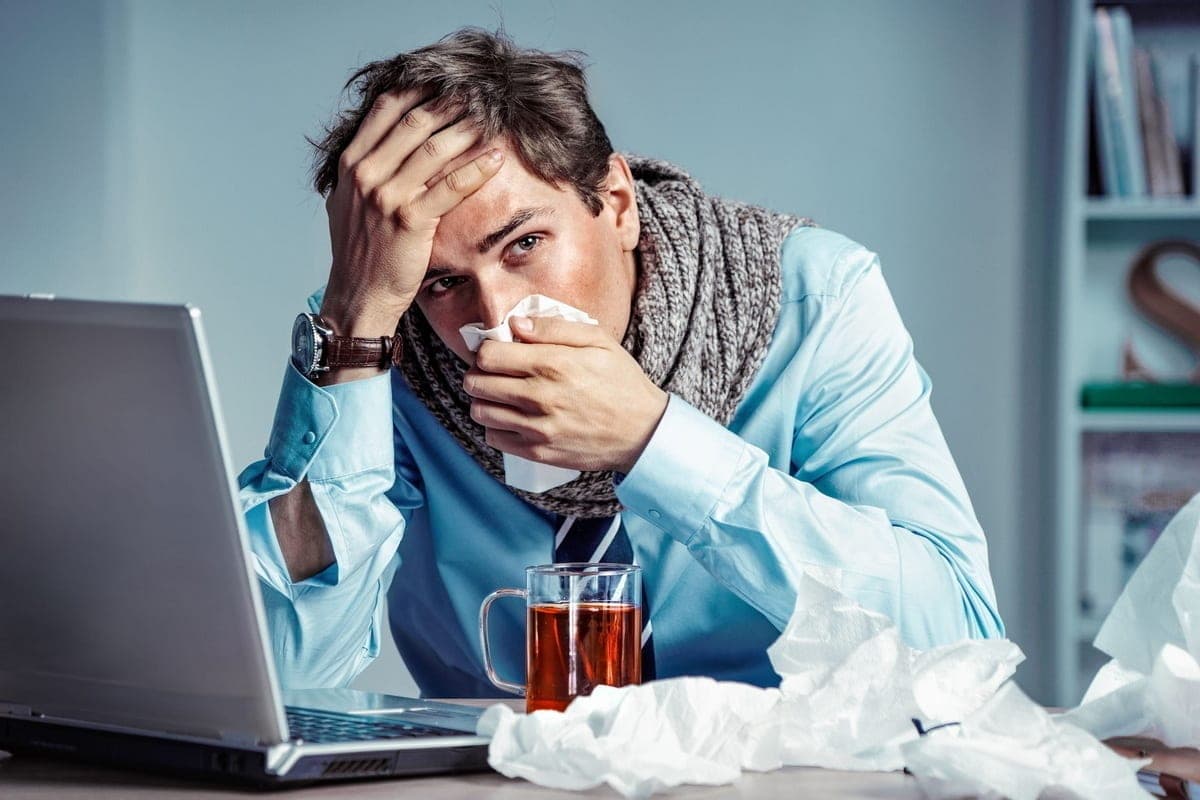
Since early September, Kazakhstani social networks have been filled with complaints about the strange virus, citizens share their condition and describe symptoms
Official response from the Ministry of Health
Many write that they get sick for two to three weeks, antibiotics do not help, and after a brief improvement, symptoms return. In social networks, the infection has already been dubbed “mini-COVID”. Meanwhile, official figures from the Ministry of Health paint a very different picture.
Since the beginning of September, 51,937 cases of acute respiratory viral infections have been registered in the country. This is 1.8 times less than in the same period of 2025. No cases of influenza have been reported to date. On COVID-19, the situation is even calmer. Since the beginning of 2026, only 87 cases have been laboratory confirmed, which is 10.3 times less than in the same period last year.
COVID-19 continues to circulate alongside other seasonal respiratory viruses. No new, previously unknown viruses have been identified in Kazakhstan.”.
It was this phrase that became the main response of officials to the wave of anxiety in society. Epidemiologists at the National Center for Public Health confirm that all laboratories are operating normally, samples are examined regularly, and nothing extraordinary is found.
What, then, causes people to feel “incomprehensible” disease? The answer is given by the results of laboratory monitoring. From the end of July to the beginning of September, rhinoviruses were most often detected among positive samples - almost 38 percent. Next comes the usual seasonal coronaviruses, and it's not SARS-CoV-2. This is followed by adenoviruses with 17.6 percent and parainfluenza viruses with only 14.9 percent. Close the chain of bocavirus and respiratory syncytial virus. When several pathogens circulate at the same time, and a person can become infected with sequentially different viruses, the symptoms really become more prolonged and severe. This is especially noticeable in people with chronic diseases, weakened immune systems or those who have recently been ill.
“Based on the results of long-term epidemiological and laboratory monitoring, analysis of the change of dominant subtypes of influenza viruses in Kazakhstan, data from molecular genetic analysis and WHO information on influenza surveillance and response in the epidemiological season 2026-2027, joint circulation of influenza viruses A (H1N1) and A (H3N2), as well as influenza B viruses, is predicted,” said Head of the Department of Sanitary and Epidemiological Control of the region Ashat Charapiev.
More than half of all cases are children under 14 years old. Among children under one year, more than 12 thousand cases were registered. This is a classic autumn picture, when children return to organized groups, viruses are actively exchanged, and then brought home.
Doctors do not get tired of repeating that with typical symptoms of SARS, antibiotics are not used. They only act on bacteria. With a viral infection, their reception is not only useless, but even harmful and contributes to the growth of antibiotic resistance. That is, if necessary, the introduction of antibiotics, the body will not respond to them properly. The main treatment for viral infections is symptomatic.
At a temperature above 38.5 degrees, antipyretic agents must be taken. For example, paracetamol or ibuprofen at age dosages. Be sure to drink abundantly warm, washing the nose with isotonic salt solutions. With a strong cough, drugs are prescribed that thin sputum or facilitate its removal. With a painful dry cough, the doctor may prescribe antitussives. Bed rest in the first days of the disease significantly accelerates recovery.
If the symptoms last longer than 10-14 days, shortness of breath appears, the temperature does not go down, chest pain or a sharp deterioration occurs, you should consult a doctor. In these cases, bacterial complications, bronchitis or pneumonia should be excluded.
Of particular concern to doctors is the mass self-medication with antibiotics. People continue to “just in case” drink courses that no one assigned them. As a result, the cough can become more prolonged, and a real bacterial infection, if it joins later, will be worse to treat.
Vaccination is required for prevention
The flu vaccination campaign started on September 15.
Within the guaranteed volume of free medical care, medical workers, children from risk groups, pupils of orphanages and boarding schools, patients on dispensary registration, and other vulnerable categories are vaccinated. More than two million doses of the vaccine containing topical strains A(H1N1), A(H3N2) and B have been purchased.
“One of the most effective measures to prevent influenza today is vaccination. For 2026-2027, 80,000 doses of influenza vaccine were purchased from the local budget during the epidemiological season, and delivery is planned in September. Immunization against influenza is carried out with the Grippol Plus vaccine. Immunization is carried out in a special vaccination office after a mandatory medical examination, health assessment and vaccination permit, said Askhat Charapev.
From October 1, a mandatory mask regime for staff is introduced in medical organizations. Health facilities have been instructed to approve plans to deploy additional beds, monitor the occupancy rate of infectious and intensive care units on a daily basis, and be prepared for a possible increase in hospitalizations.
Epidemiologists say the country is just at the beginning of the season. The traditional peak incidence of SARS and influenza usually occurs in December-January. Current numbers are relatively low, and this is not a reason to relax, but an opportunity to calmly prepare.
Suspicions of patients that they were infected with a “new virus”, epidemiologists explain the psychological effect. When several respiratory viruses circulate at the same time, and symptoms in some patients include loss of smell, severe weakness, and a lingering cough, people automatically develop associations with COVID-19. Social media amplifies this effect. One bright story quickly acquires dozens of similar, and the impression of a mass epidemic of an unknown pathogen. In fact, labs continue to find only well-studied seasonal viruses.
In addition, after several years of a pandemic, public sensitivity to any respiratory symptoms remains heightened. What used to be perceived as a common cold is now often alarming.
How to treat and what not to do
Experts recommend not waiting for severe symptoms, but to strengthen basic protective measures. Regular ventilation of premises, frequent hand washing with soap, avoiding close contact with patients, limiting visits to crowded places during the period of rising incidence. These simple rules are still the most effective. For at-risk groups, influenza vaccination is the most reliable way to reduce the likelihood of severe illness.
It is especially important not to send a sick child to the garden or school. Don't let him get sick on his feet! One sick child in a group can infect dozens of others, and then the wave of morbidity will quickly reach adults.
Elderly people and patients with chronic diseases of the heart, lungs, diabetes mellitus are recommended to consult a doctor at the first symptoms, rather than wait for deterioration.
Today, the situation with SARS in Kazakhstan remains controlled and even more favorable than a year ago. No new unknown viruses have been identified. The main burden is given by rhinoviruses and other usual seasonal pathogens. COVID-19 continues to circulate at a very low level. The flu hasn't been reported yet.
However, the season is just beginning. The next two or three months will show how things are going. The Ministry of Health monitors the situation weekly, laboratories are working, the health care system is preparing for a possible increase in the load.
Experts say that during the period of rising incidence of SARS and influenza, a morning filter is carried out daily to determine the absence of students. Sanitizers with skin antiseptic for hand treatment are installed on each floor and in each class, and when registering the incidence of SARS in one class during one incubation period from 20 to 30% of the number of students, office training is terminated. If the number of cases exceeds these figures, the class moves to home schooling.
In the meantime, the main advice of doctors is: do not panic, do not self-medicate with antibiotics, follow simple preventive measures and, if necessary, seek medical help. “Strange virus”, which is now so much talked about, in fact turns out to be quite a common autumn set of respiratory infections only a little more unpleasant and protracted than we would like.
Autumn has just begun. How it will pass largely depends on how responsibly society treats the basic rules of protecting itself and others.


