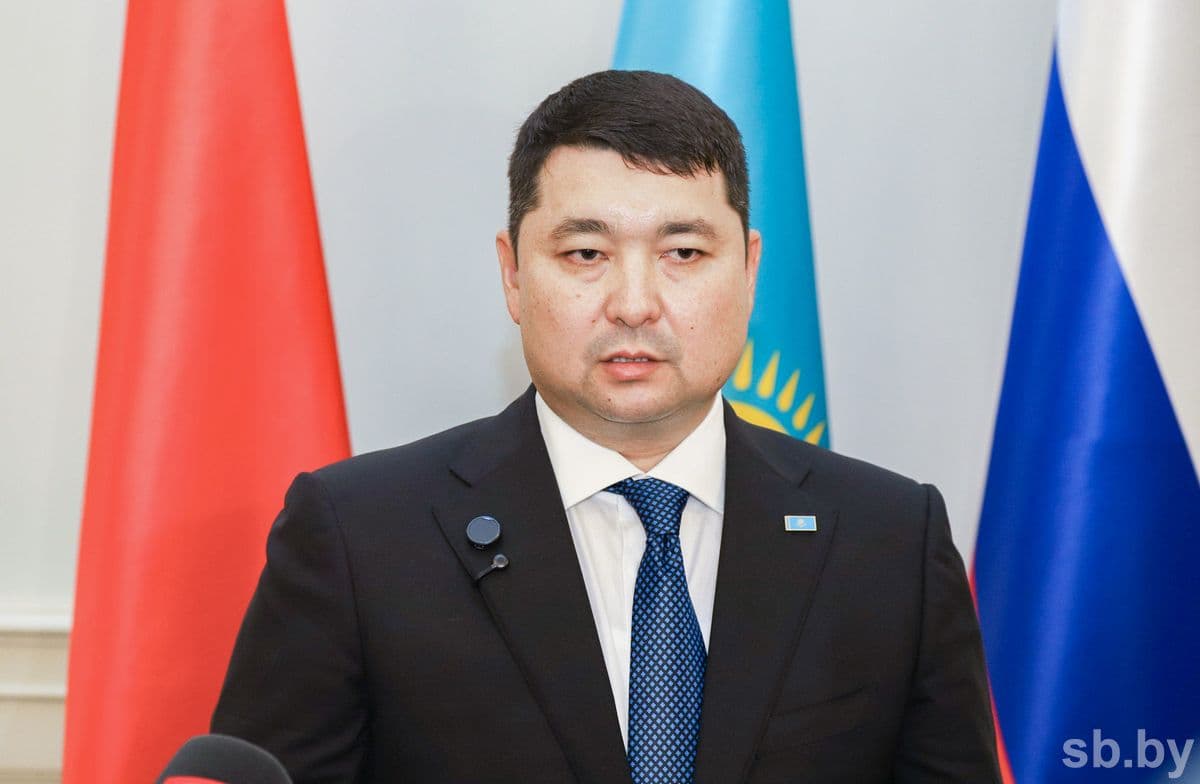
Rescuers of Belarus, Kazakhstan and Russia identified priority areas of cooperation
Today, on September 22, the XIII meeting of the Joint Board of the EMERCOM of Belarus, Kazakhstan and Russia with the participation of the heads of rescue agencies was held in Nesvizh. By ...
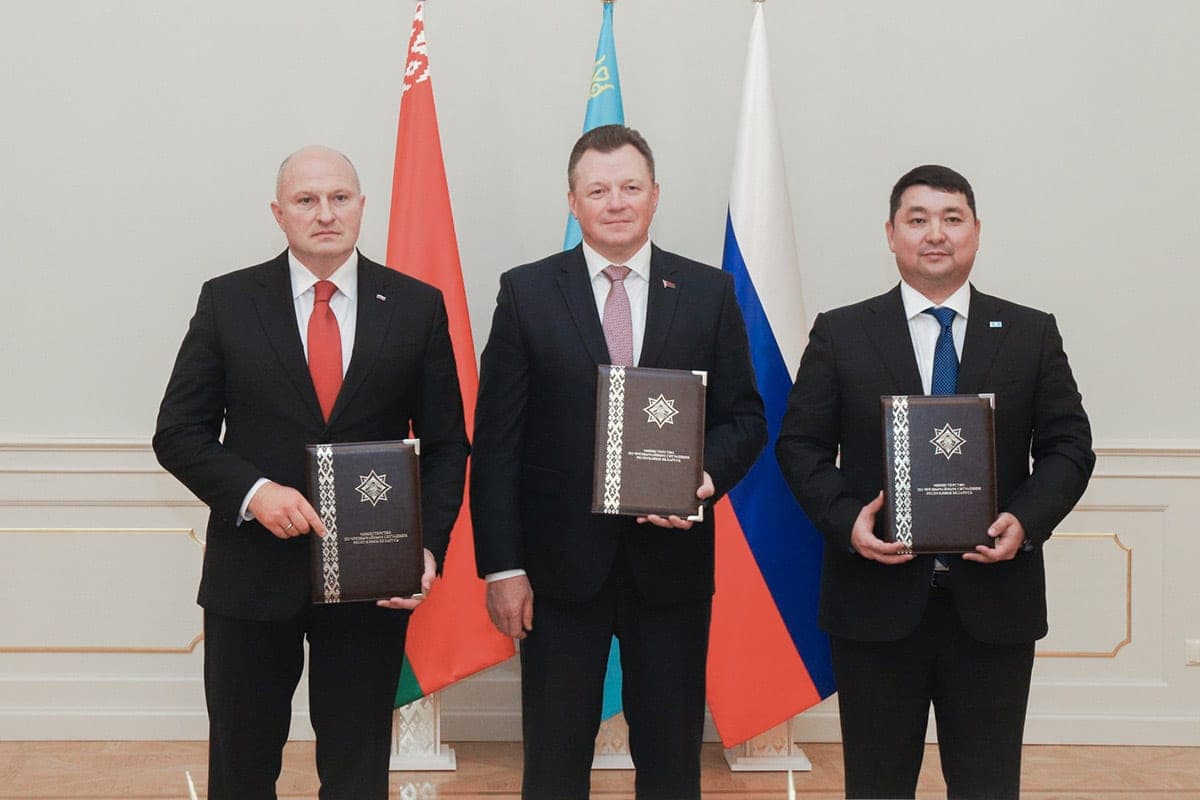
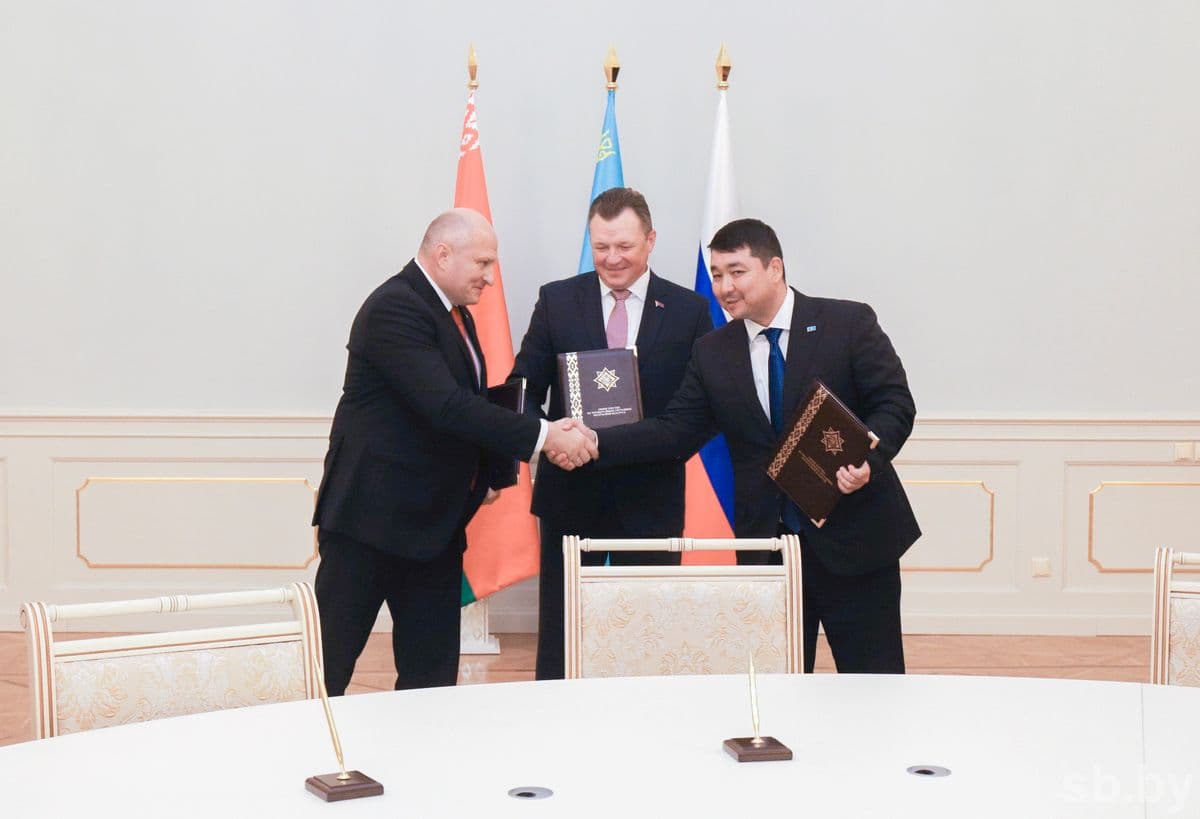
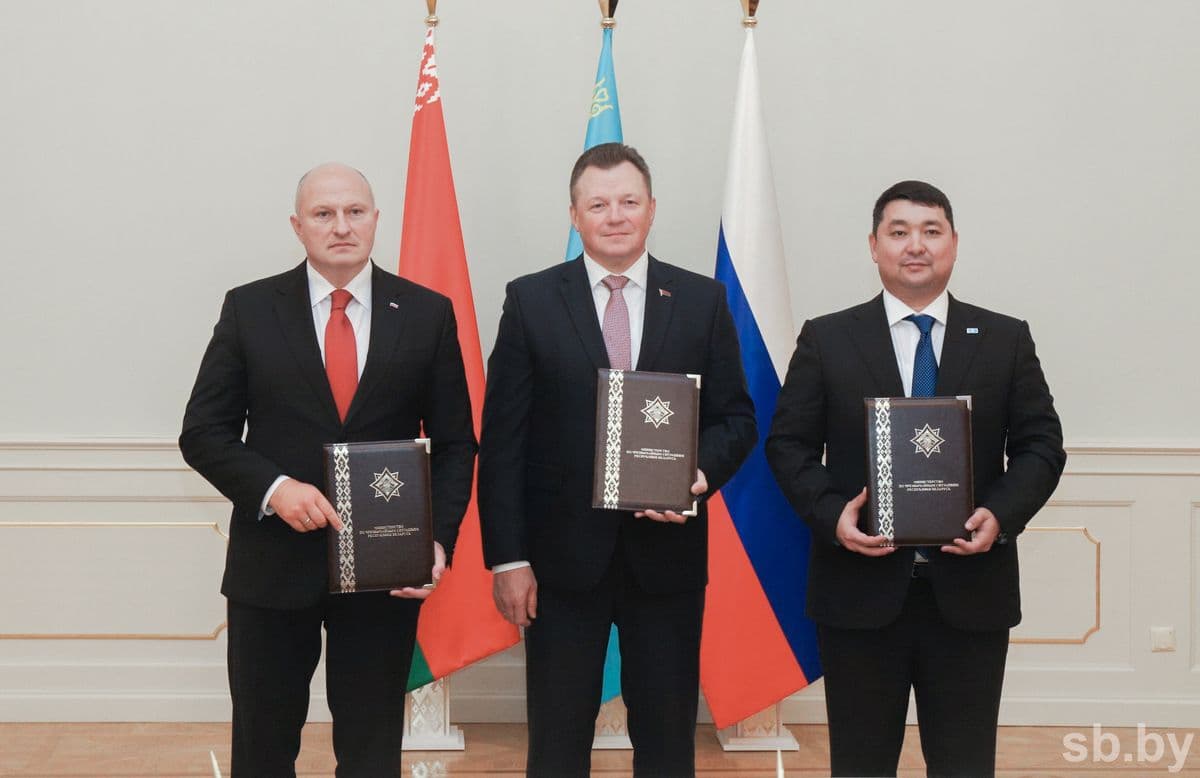
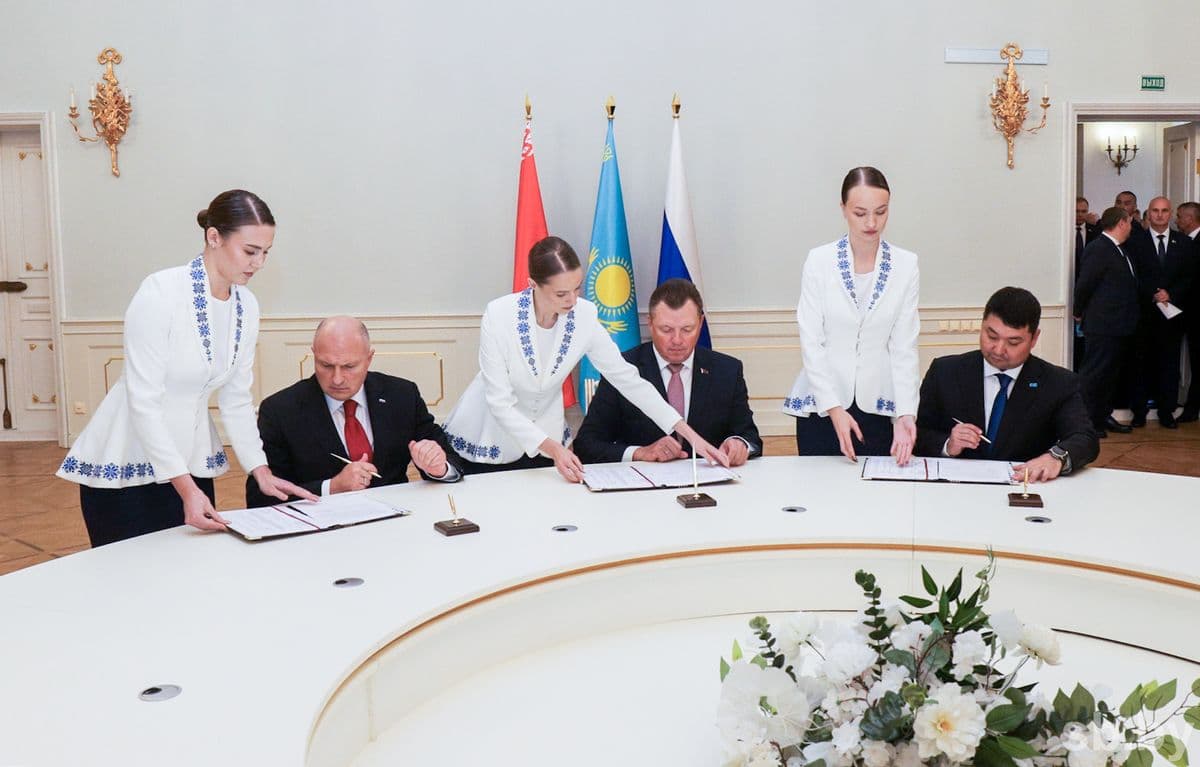
Today, on September 22, the XIII meeting of the Joint Board of the EMERCOM of Belarus, Kazakhstan and Russia with the participation of the heads of rescue agencies was held in Nesvizh. Following the meeting, priority areas for further cooperation and a work plan for 2027 were identified. The relevant documents were signed by Vadim Sinyavsky, Murat Mukhanov and Alexander Kurenkov, sb.by reports.
Thus, in order to strengthen cooperation in the field of prevention and liquidation of emergency situations, it is planned to exchange experience in the use of drones and robotics used in rescue operations, as well as in the field of emergency response with the participation of electric vehicles. Work will continue on joint training of mining rescue units, scientific, technical and educational cooperation. It is planned to strengthen control over compliance with the EAEU technical regulations. Attention will be paid to ensuring the safety of navigation and navigation of small vessels.
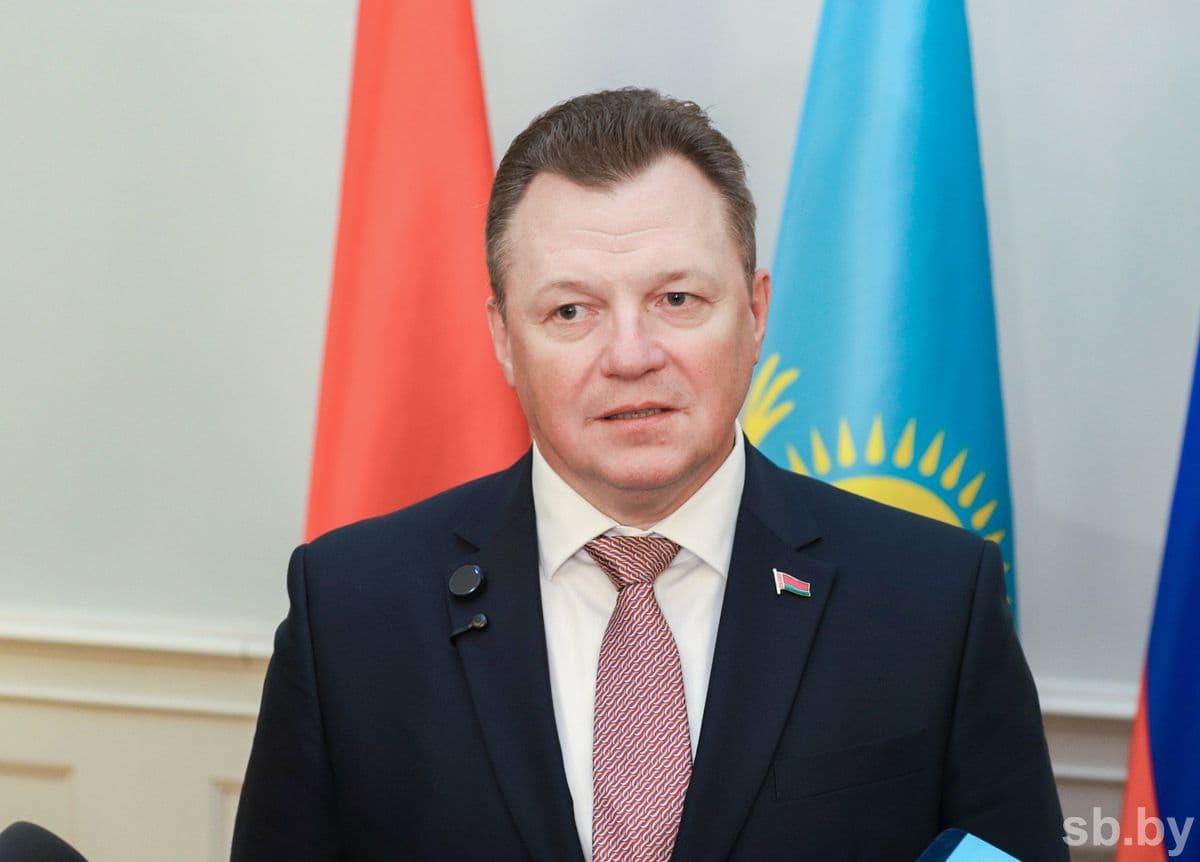
Summing up some results of today’s work, the Minister of Emergency Situations of Belarus Vadim Sinyavsky noted that the joint board is an interesting and effective format that allows you to compare watches in the rescue business:
Our work can be built in different ways, but the goal is the same - to be effective, fast and skillful in dealing with the consequences of various emergencies. The Board allows you to see how work is carried out in different areas in the participating States. This is the mining rescue service, the elimination of the consequences of fires of electric transport, the progressive development of rescue agencies, scientific support of work.
He also mentioned the prospects for cooperation on the SCO platform:
- In his speech at the summit of the Shanghai Cooperation Organization in Bishkek, President Alexander Lukashenko clearly outlined the priority of emergency protection in the formation of a new security architecture in Eurasia and proposed a concrete practical step - holding a meeting of the heads of departments of the SCO member states on the prevention and elimination of emergency situations in Minsk during the World Fire and Rescue Sport Championship. This forum will allow to exchange experience in a wide format and develop solutions aimed at reducing disaster risk, protecting the population, territories, monitoring and forecasting disasters in the SCO space.
- This is the elimination of emergency situations in the Arctic space, where at low temperatures, equipment, equipment, capabilities of fighters are tested. Another important area is the training of water and rescue units in deep water bodies, including using robotic systems. We also intend to develop competencies in the field of explosion engineering, in particular mine clearance.
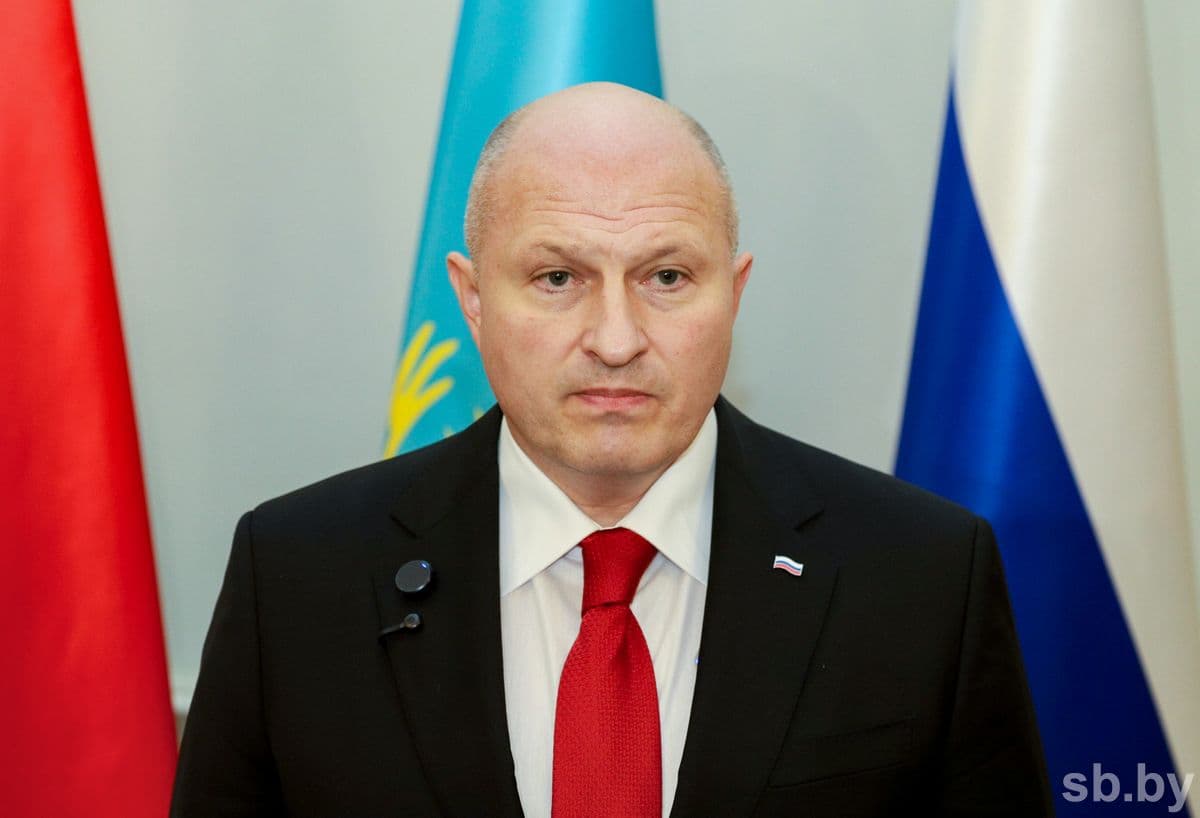
Minister of the Russian Federation for Civil Defense, Emergencies and Disaster Relief Alexander Kurenkov noted:
- Over the years of joint work of the emergency departments of Russia, Belarus and Kazakhstan, a normative and organizational basis for interaction has been formed, significant practical experience has been accumulated. We try to build interaction not only at the level of managers, but also between specialists. To do this, we hold joint seminars and trainings, participate in professional competitions. A separate direction is the training of young specialists. This year, it is planned to exchange cadets between educational organizations of the EMERCOM of Russia and the University of Civil Protection of the EMERCOM of Belarus. I am confident that cooperation between our countries will continue to bring practical results.
Minister of Emergency Situations of Kazakhstan Murat Mukhanov stressed:
- During the year, many issues of interaction between our countries were worked out, a number of effective joint events were implemented. Next year we will host the delegates of the joint collegium in Kazakhstan.