
Rescue for the battery: why to enable “adaptive charging” on your smartphone
Adaptive charging will help slow the wear of the Android smartphone battery.
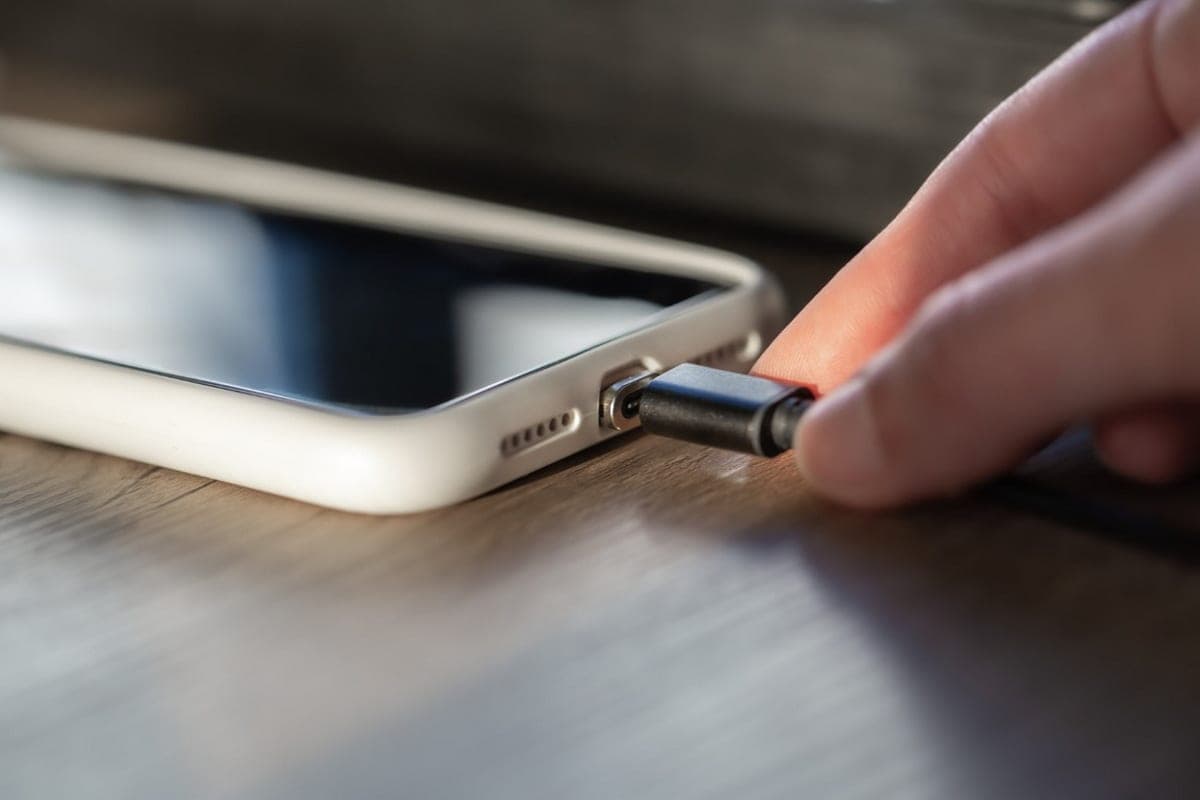
Many put a smartphone on charge before bedtime, but few people know that a long stay of the battery at around 100% accelerates its chemical wear. Fortunately, this problem can be solved with a couple of clicks in the settings.
Profile publications, including MakeUseOf, explain how adaptive charging works. This smart feature learns the daily habits of the gadget owner. If you regularly connect your phone to the network at night, the system will stop the process at 80-90%, and finish the remaining percentages just in time for your usual waking up. Thus, the battery spends a minimum of time in the state of maximum voltage, which is critical for its longevity.
How it works and important nuances:
• Give the system time. Your smartphone needs to get used to your schedule. For example, on Google Pixel devices, it takes about 14 days for the algorithm to know exactly when you normally get up after sleep.
• Regime stability. If you lie down and get up at completely different times, the feature may simply not work, as it will not be able to predict your actions.
• Turn off fast overnight charging. Experts strongly advise to do this if there is such an option in the settings. High temperature is the main enemy of lithium-ion batteries, and slow charging heats the device much less.
Adaptive charging won’t make your phone last longer in one day. Its main goal is to preserve the original battery capacity for many years, so that in two or three years you do not have to run to the service for an expensive battery replacement.
By the way, iPhone owners have nothing to worry about: in iOS, a similar function (“Optimized charging”) works on a similar principle and is enabled by default in the battery settings, writes “Tape.ru”.


