
Experts listed natural foci of tick-borne encephalitis in the Brest region
In the Brest region, despite the cold snap, the season of tick activity continues, which are carriers of a number of diseases, including tick-borne diseases.
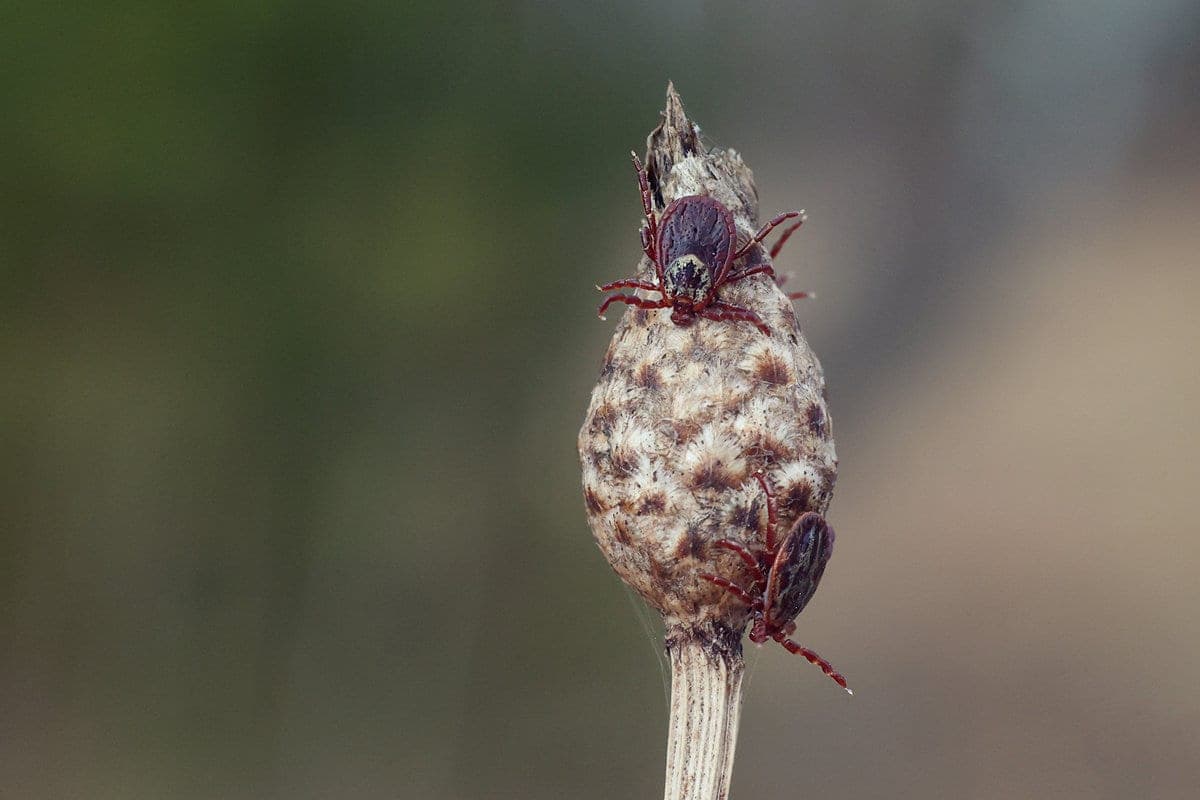
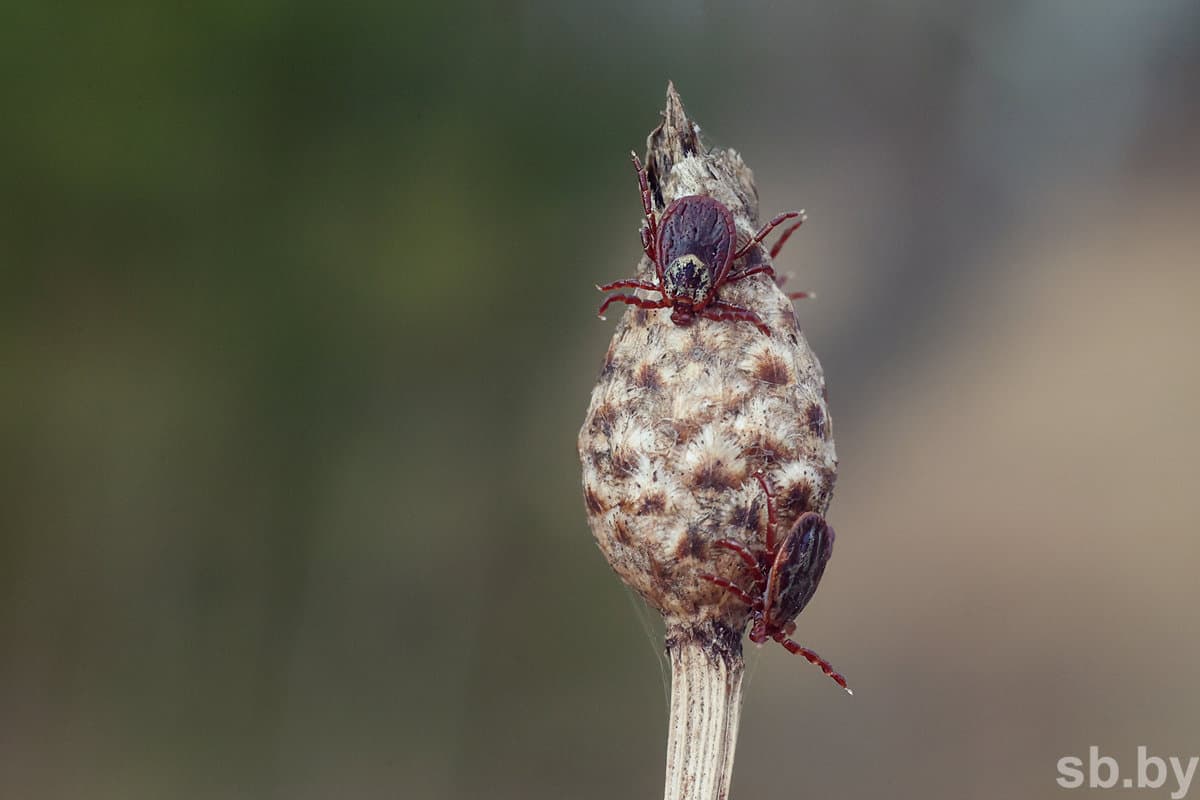
In the Brest region, despite the cold snap, the season of tick activity continues, which are carriers of a number of diseases, including tick-borne encephalitis. In the Brest regional center of hygiene, epidemiology and public health listed natural foci of this infection, writes sb.by.
The experts said:
- In Brest region, infection with tick-borne encephalitis virus mainly occurs in certain areas or in certain areas of their territories, where natural foci of this infection are active. As much as possible, foci of tick-borne encephalitis are located in the zones of influence of the Belovezhskaya and Ruzhanskaya Forest in the Kamenetsky and Pruzhansky districts, in areas of the Maloritsky district (especially in the forests near the villages of Lyakhovtsy - Melniki), in the territory of the Bronnaya Mountain and its surroundings in the Berezovsky district, in the Ivatsevichi district in the forests adjacent to the Berezovsky and Pruzhansky districts. For example, in some forest areas of the Pruzhansky district (in the vicinity of the villages of Popelevo, Chadel, Rovbitsk, Krynica, Okolniki, Khvoyniki, White Village and Shereshevo) the highest risk of contracting the tick-borne encephalitis virus. The areas of the forest along the Dmitrovichi-Kamenyuki highway in the Kamenetsky district are also unfavorable.
At the same time, the center noted that the number of appeals of the population to health care institutions of the region about tick bites over the past period of 2026 decreased by 6 percent compared to the same period of 2025.
- Nevertheless, the prevention of tick-borne infections from year to year remain relevant for the Brest region, the experts concluded.


