
Mohilev College of Architecture and Construction teaches to create a modern urban environment
Architects are one of the oldest professions. All over the world there are a lot of stunning palaces, temples, town halls, residential buildings, which are still admired by the public.
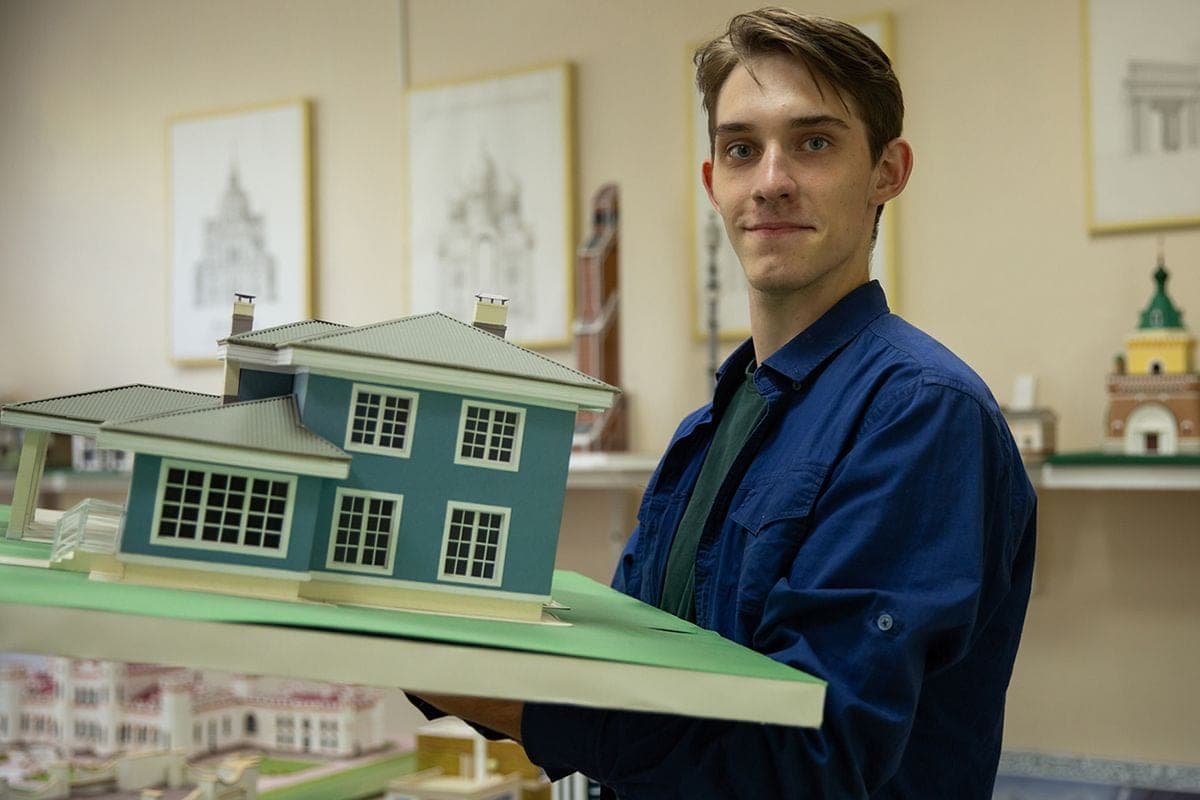
Architects are one of the oldest professions. All over the world there are a lot of stunning palaces, temples, town halls, residential buildings that people still admire. The College of Architecture and Construction, part of the Belarusian-Russian University, trains architect technicians. Students enter after the 9th grade and for almost four years learn to design buildings, think through interiors and landscaping, work with historical heritage and modern technologies.
Special thinking
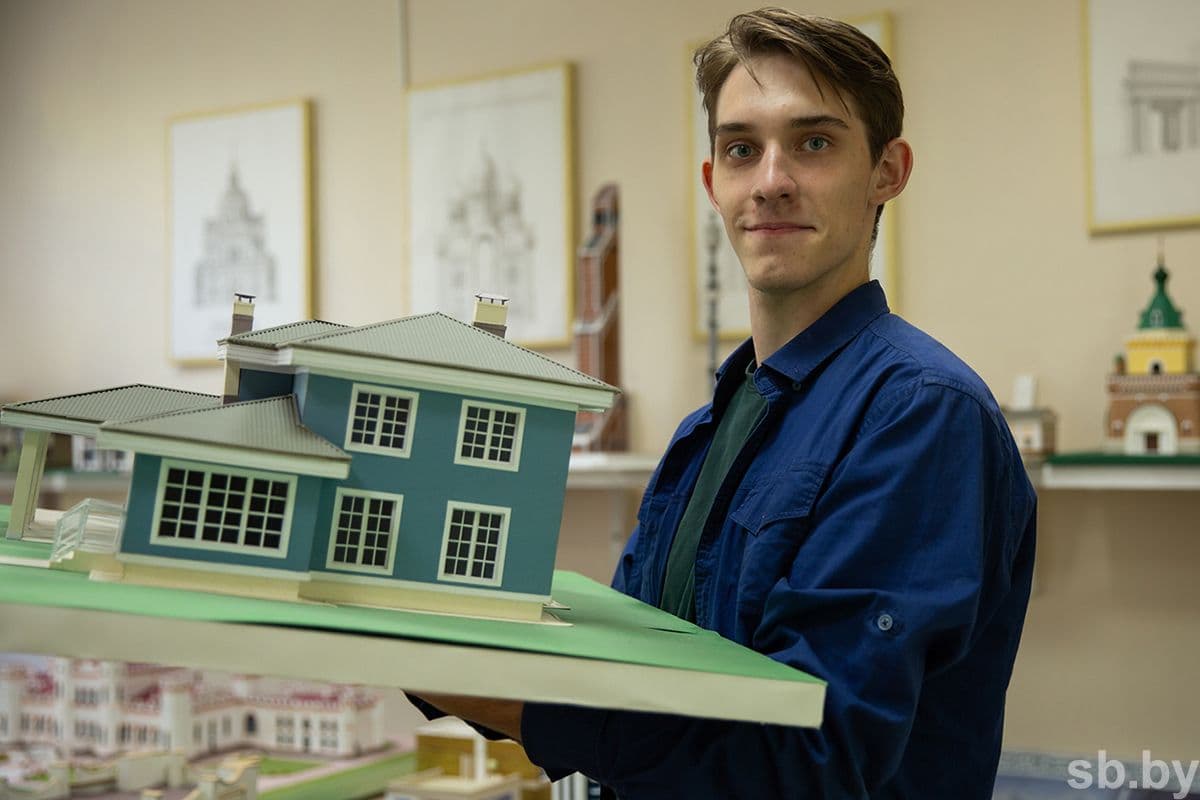
Four-year student Ilya Tikhonov before entering college for ten years was engaged in drawing. Parents from an early age saw in him a craving for art and sent to art school. In elementary school, he decided he wanted to build new buildings.
- From fourth grade, when I was asked, “What do you want to be when you grow up?”, I said, “Architect.” I am from Orsha, we have a similar college in Vitebsk, but there was only paid tuition. So I decided to go to Mogilev and try to break into the budget. There were some very strong guys with me. We took the drawing entrance exam. I didn’t have a very good result, seven. But it was due to a high average score of 8.9.
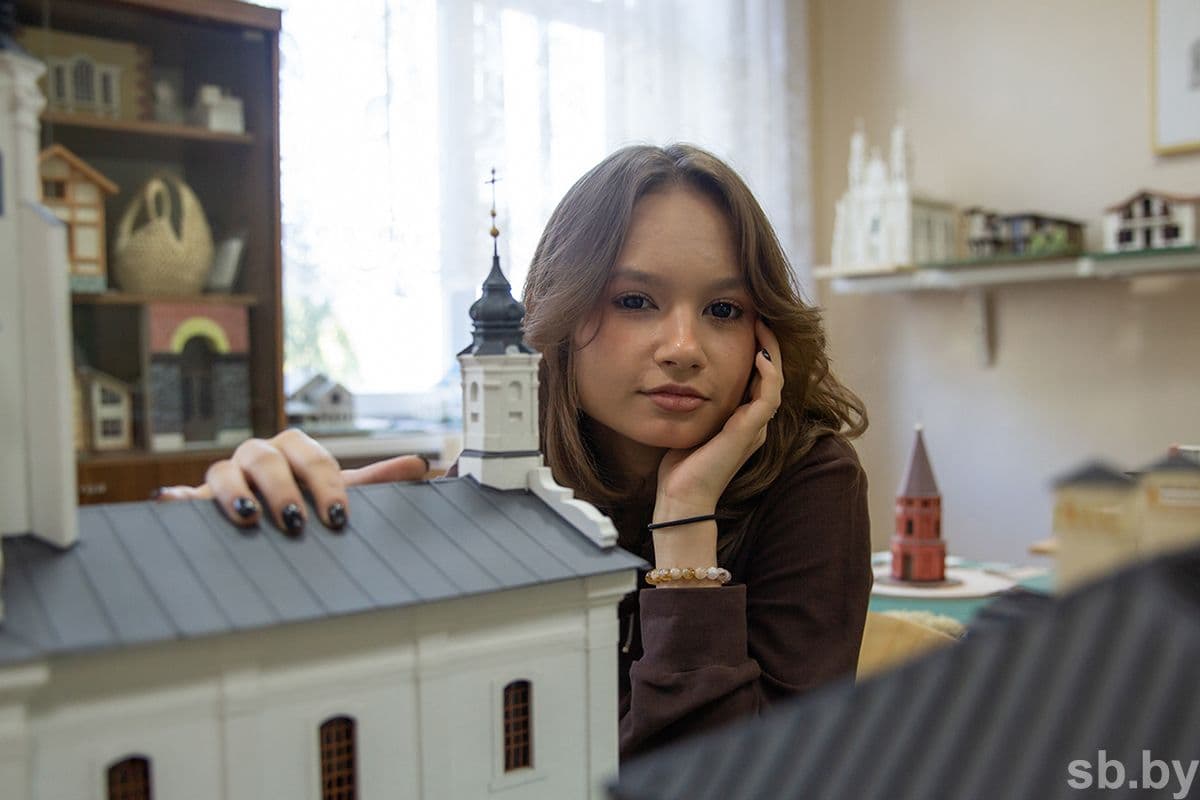
Classmate Ilya Alesya Larik for admission was thoroughly prepared. For three months, she came to the art circle several times a week and drew a production of geometric figures for three hours. This is the task that applicants perform at the entrance test.
- You learn with an ordinary pencil to transmit the composition, proportions, volume with the help of chiaroscuro, the girl lists. Some people don’t like having to take the opening. But I'm sure he's needed. The future architect does not draw well. You don't look at the building and draw it. You make it up, you design it. Not everyone can mentally scroll the object from all sides and convey it on paper. There has to be spatial thinking.
Periodically, teachers offer future architects extracurricular tasks. So, Alesya, together with Ilya and several other classmates, worked on a project for the pedestrian Leninskaya Street in Mogilev.
- We did the street design code, which is visual design. Now it is quite disparate in style: the color scheme is not always combined, some elements have remained since the last century, somewhere the space has already been modernized. In the end, there is no harmony, explains Alesya. Although the street itself is popular, it is often walked by citizens and tourists. It could attract even more attention if historical features could be preserved. This is what we actually proposed in our project.
Ilya tries to implement his architectural solutions at home, on a private plot. Together with his father, he is constantly rebuilding and improving. In the near future, a bath.
- I like to see the result of my idea with my own eyes, the guy shares. I thought for a long time in which direction I would like to develop. I wanted to create comfortable and functional living spaces. Japan has a tradition of “participative design.” Architects come to the house to customers, spend the whole day with them, and sometimes even stay for a few days to study in detail the life of the family, its habits and trajectories. And on this basis, functional housing is created.
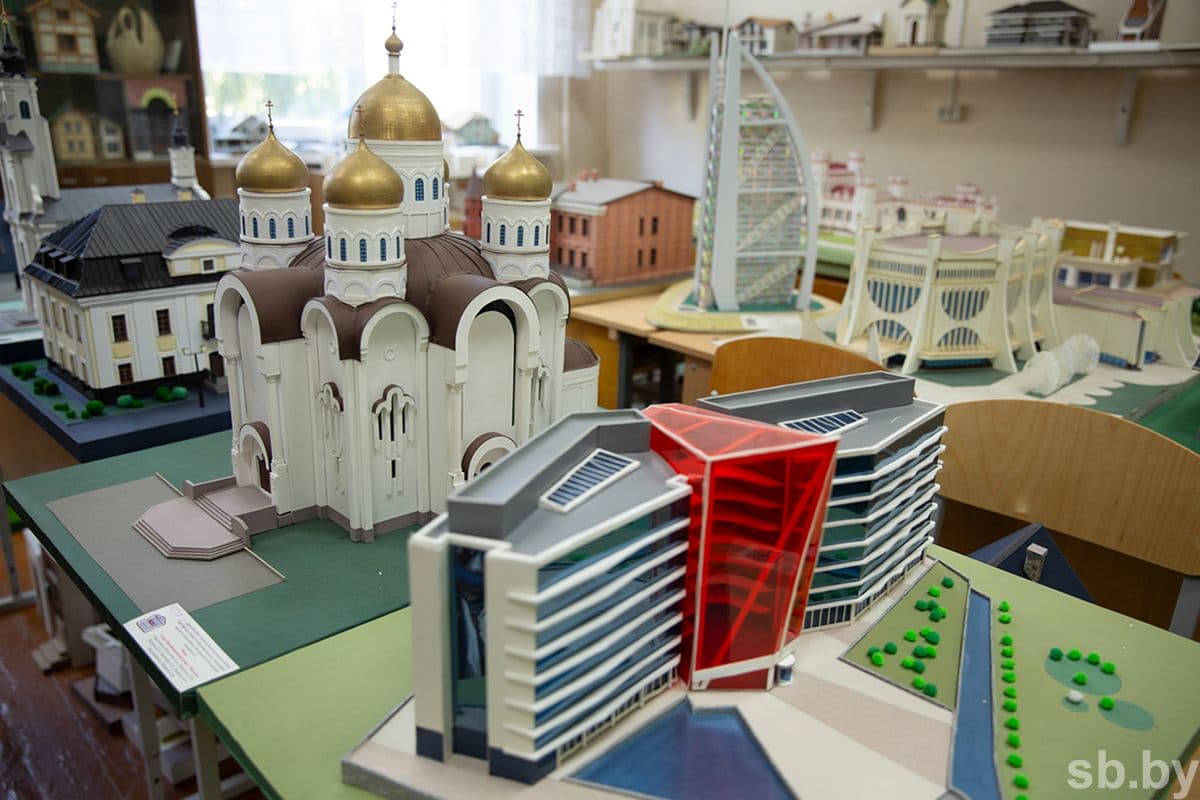
With a pencil in hand
Previously, ninth graders in schools had drafting, but in 2020 it was moved to the 10th. And that, the college professors say, is a big mistake.

- Children came to us with basic knowledge of drawing. Now we're starting with them from scratch. And here, too, it is difficult to determine whether it will go to him or not, the teacher of architectural disciplines Irina Lukyanova opens his hands.
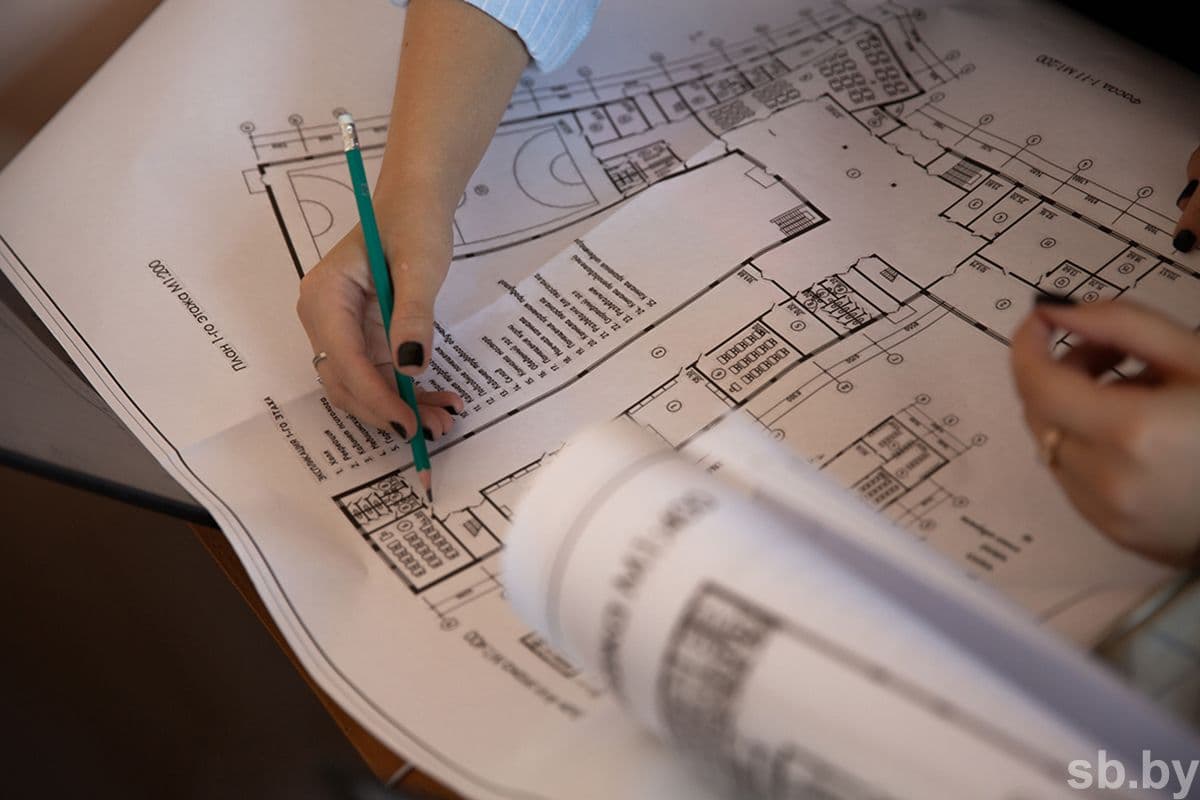
- In the first year, they draw everything by hand, continues the teacher Maria Levashova. The first course project is done by hand. Of course, we have a big computer science block where they study different programs. But teaching to work immediately from a laptop is impossible. They must learn to think with their hands and transmit their idea with a pencil on paper.
Students approach architectural special disciplines gradually. In the first year, they master the general education program for grades 10-11, in parallel they are engaged in drawing and graphics. But in the second year, everything interesting begins.
- The professional cycle begins, including architectural, engineering graphics, color science, layout, the teacher Vitaly Usov lists. From the third year they begin architectural design, planning, interior, landscaping, reconstruction. We train our children so that they can work in different fields.
The first two years of practice takes place in the walls of the college: plein air, layout, drawing, architectural graphics ... After the third year, the students go to design organizations and there immerse themselves in the real design process.
Talent will break through
There are many people who want to enter the architectural design every year. This time, 100 applicants applied for 25 places.
- People say: education is a fishing rod, you catch the fish yourself. So in our field, says the head of the college Konstantin Basharkin. The most promising are selected for distribution by project organizations. You can see these guys right away. They're ideological. They don't just have classy coursework, diploma projects. They are happy to take on extracurricular work that teachers offer. This includes city competitions.
And the ideas of the students of the college in Mogilev can be seen firsthand. Among them is the decoration of the underground passage at the intersection of Pushkinsky Avenue and Ostrovsky Street. The walls and columns depict plots and colorful characters from the fairy tales of Alexander Sergeyevich Pushkin, lines from his poems, as well as ancient engravings with the historical appearance of Mogilev. Semi-circular futuristic stops in Mogilev are also the work of young architects. They are also involved in the design of elements of the iconic memorial complex in Borki.
PASSING BALL
Applicants, entering the “architectural design”, take the drawing. The final score includes the mark for the exam and the average score of the certificate. This year, the pass in the general competition was 16.2, for target participants - 14.1.
THEME
For nonresident students, the college provides a place in the hostel.
Students, depending on their performance, receive a scholarship.
After graduation, they enter the correspondence shortened form of training at the Mozyr State Pedagogical University named after I. P. Shamyakin and at BNTU for the specialty “industrial and civil construction”.
Eternal legacy
Where do architects find themselves after studying?
OJSC "Institute "Mogilevgrazhdanproekt" is the leading project organization of Mogilev region. Projects of many schools, kindergartens, shopping centers, sports complexes, hospitals and polyclinics were created here. The specialists of the Institute work daily to make the appearance of Mogilev and the region more modern, more beautiful and, most importantly, more comfortable for people.
- I myself Mohilevskaya and for myself decided that I want to stay to work in the city, to put a hand in its further development, says the young technical architect. — One of the production practices I took place in Mogilevzhdanproekt. Here I was given tasks on the development of drawings, design of demonstration materials, introduced to the already implemented objects of the Institute. This helped to understand how the entire design process works and what tasks to solve in the future. I liked it. When the time came for distribution, the organization supported my candidacy and issued a nominal application.
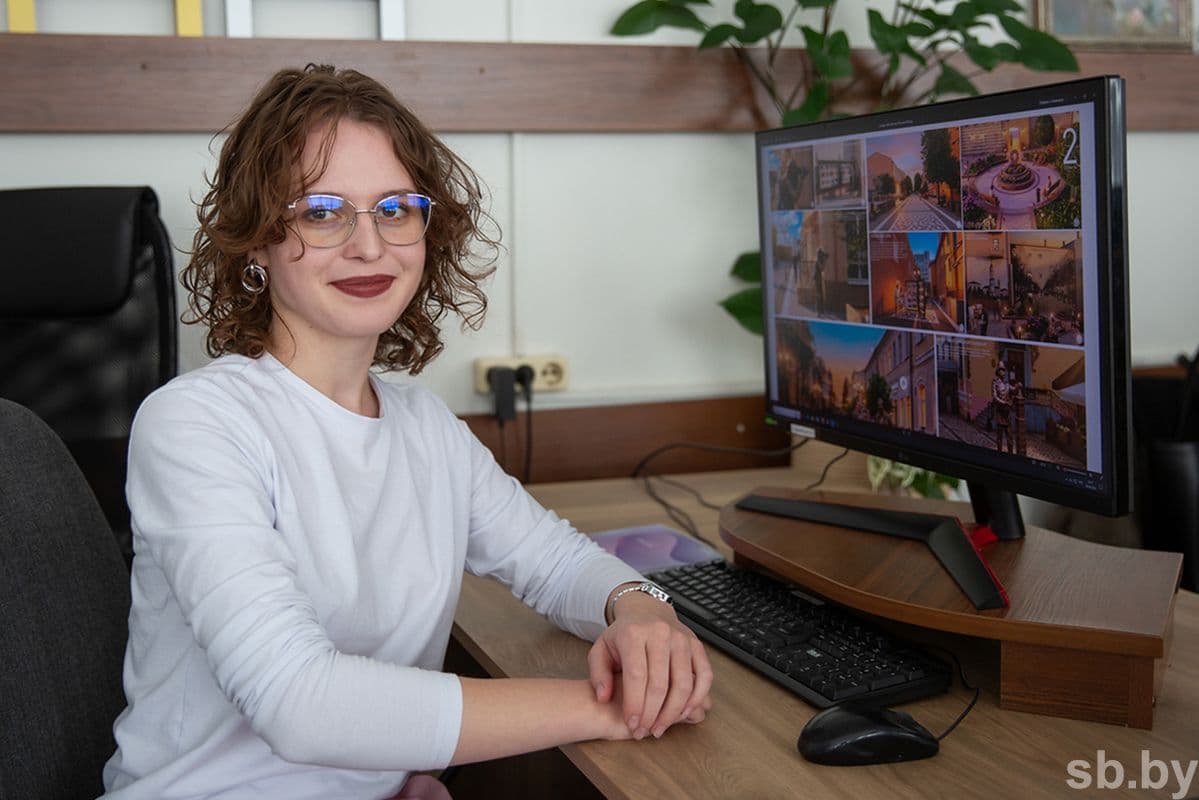
Now the young specialist under the guidance of the mentor is gradually involved in the work on various projects, among them - the modernization of the operating unit of the Mogilev Clinical Hospital No. 1 and the reconstruction of the pedestrian Leninskaya Street.
- I develop drawings, work with visual materials, participate in the preparation of concepts for new projects. Each experienced employee is ready to help and explain if questions arise, Anastasia notes. Young professionals are not protected from work here. We are immediately immersed in real projects so that we understand all the stages of creating an object - from idea to implementation.
To gain additional knowledge in the field of architecture and construction, Nastya entered BNTU on the specialty “industrial and civil construction”. By the way, thanks to the victory in the competition of professional skills and a red diploma, the girl passed without exams. To study, however, long - six years. But it's worth it, she's sure.
- For as long as I can remember, I loved painting. Over time, I realized that architecture is something I can implement, she notes. In college, I didn’t miss a single opportunity to prove myself. Teachers were constantly involved in various projects. My classmate and I developed architectural chess with pieces in the form of sights. It was extracurricular for me.
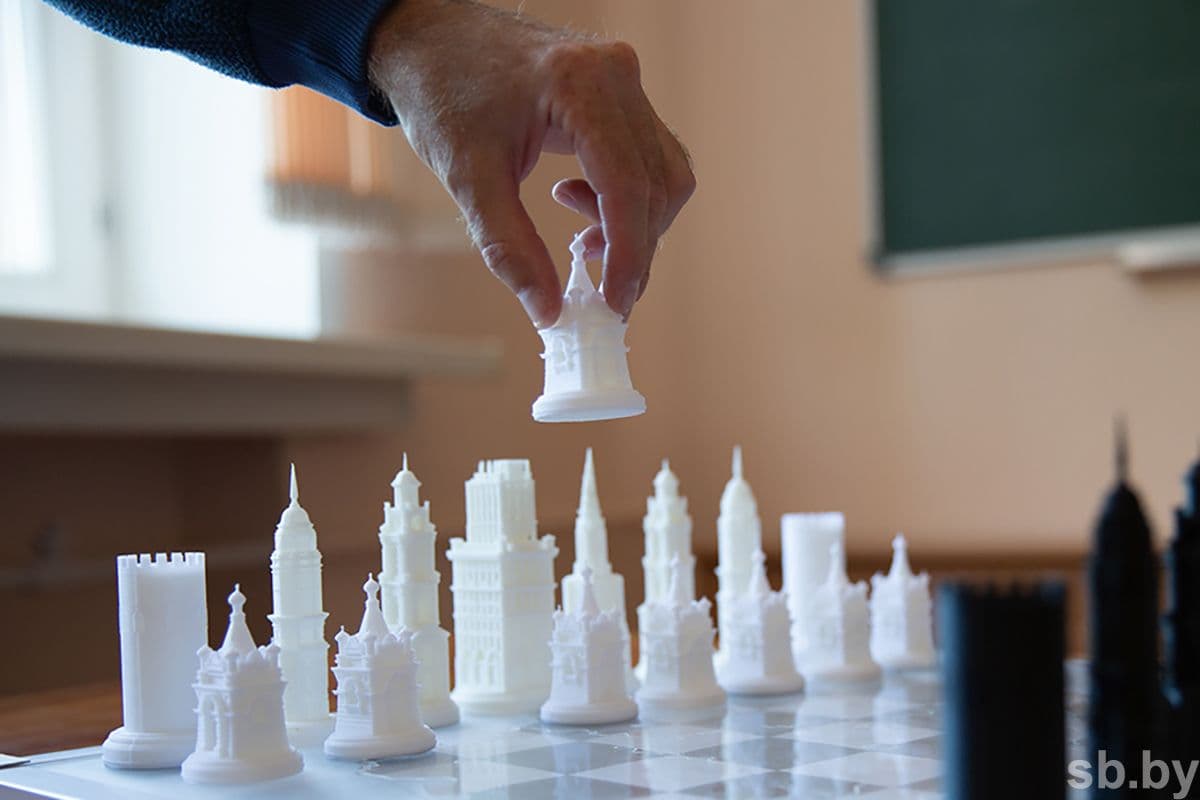
So, the king became one of the towers of the gates of Minsk, the queen - the Church of the Holy Trinity in the Gervyats in Grodno region, the horse - the Mogilev Town Hall, the elephant - the Gomel chapel-tomb of Paskeviches, the rook - the Vitebsk Town Hall, the pawn - the Kamenetsk White Vezha in the Brest region. The figures are 3D printed.
We also developed a special chessboard. It is classic, with black and white cells, only the outline of the country is also painted on top of them. I think such a set could be an interesting souvenir for tourists, says the young specialist.
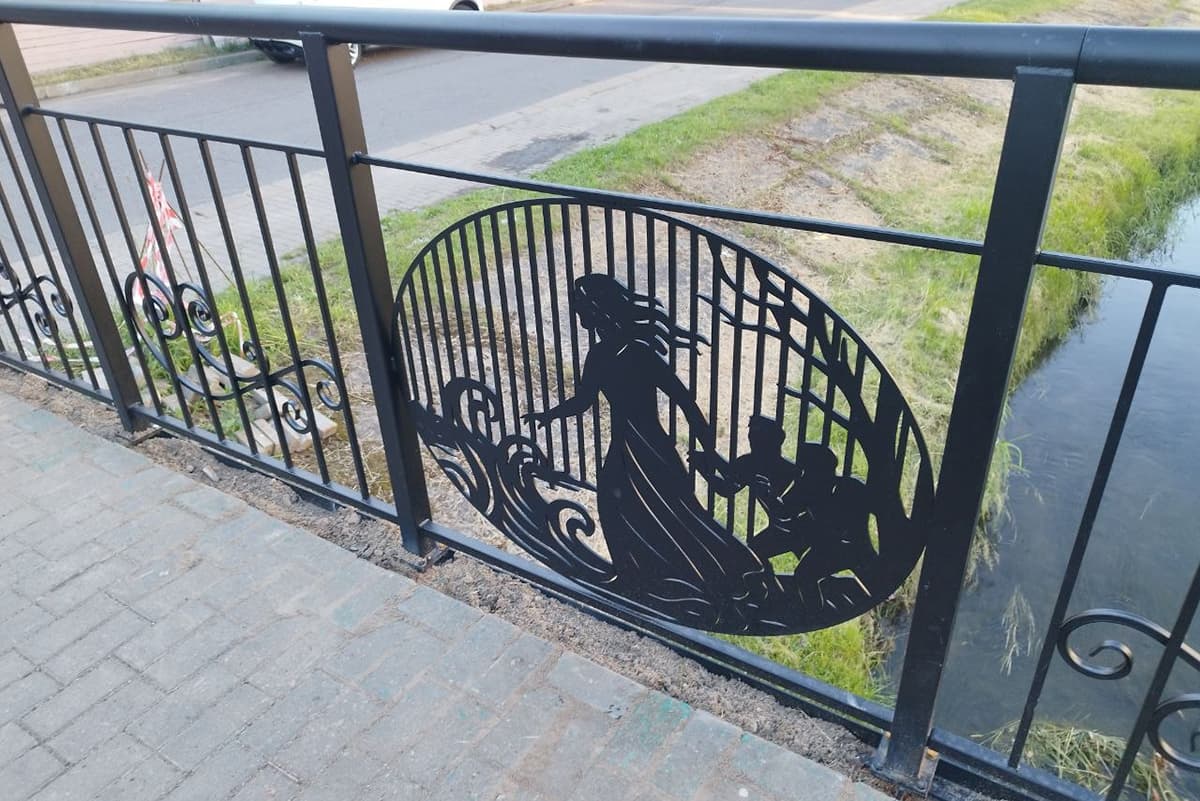
Another project in which Nastya participated during her studies is the improvement of the embankment of the Dubrovenka River. It was she who designed the figure “Family”, installed near the bridge.
- For me, Mogilev is a family town. I want parents to spend more time with their children. In addition, the embankment is a place of attraction for people, the girl notes.
Soon, another Natina idea will come to life - the design of pedestrian bridges in fabulous style. The railing will be decorated with forged images, each of which is associated with an urban legend.
- One of the drawings tells the story of a ghost town. There is a legend that Mogilev has a twin city, which can be seen in the reflection of Dubrovenka on the night of Ivan Kupala. If you stand on a certain bridge and look carefully at the water, you can see the lights of the old city with wooden pavements and the first town hall. The river preserves the memory of the past. 11 such forged images have been designed, and each will tell its own story, says Nastya
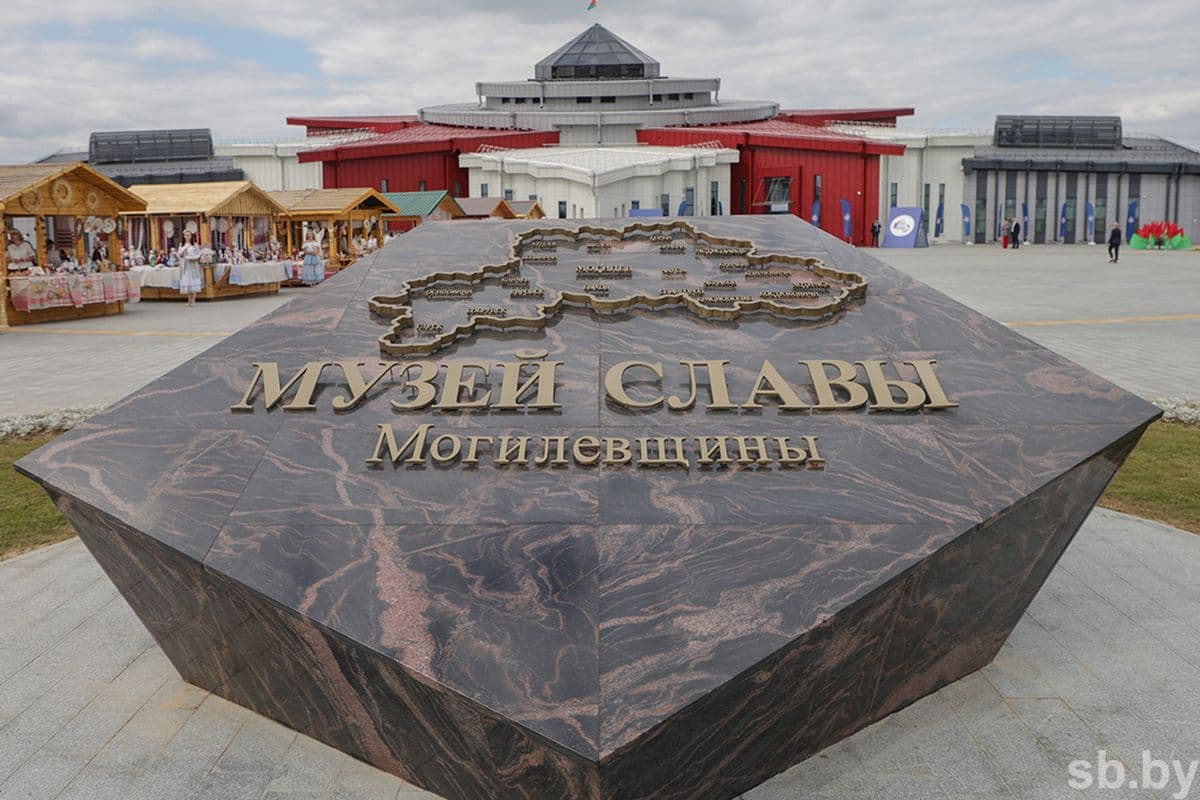
"All projects are favorites." Head of the Department of Architectural Design No. 2, chief architect of projects Vitaly Rogovtsov also graduated from the Mogilev College of Architecture and Civil Engineering, and then from the Belarusian-Russian University. He has been at the institute for 20 years. During this time he participated in the creation of many significant objects.
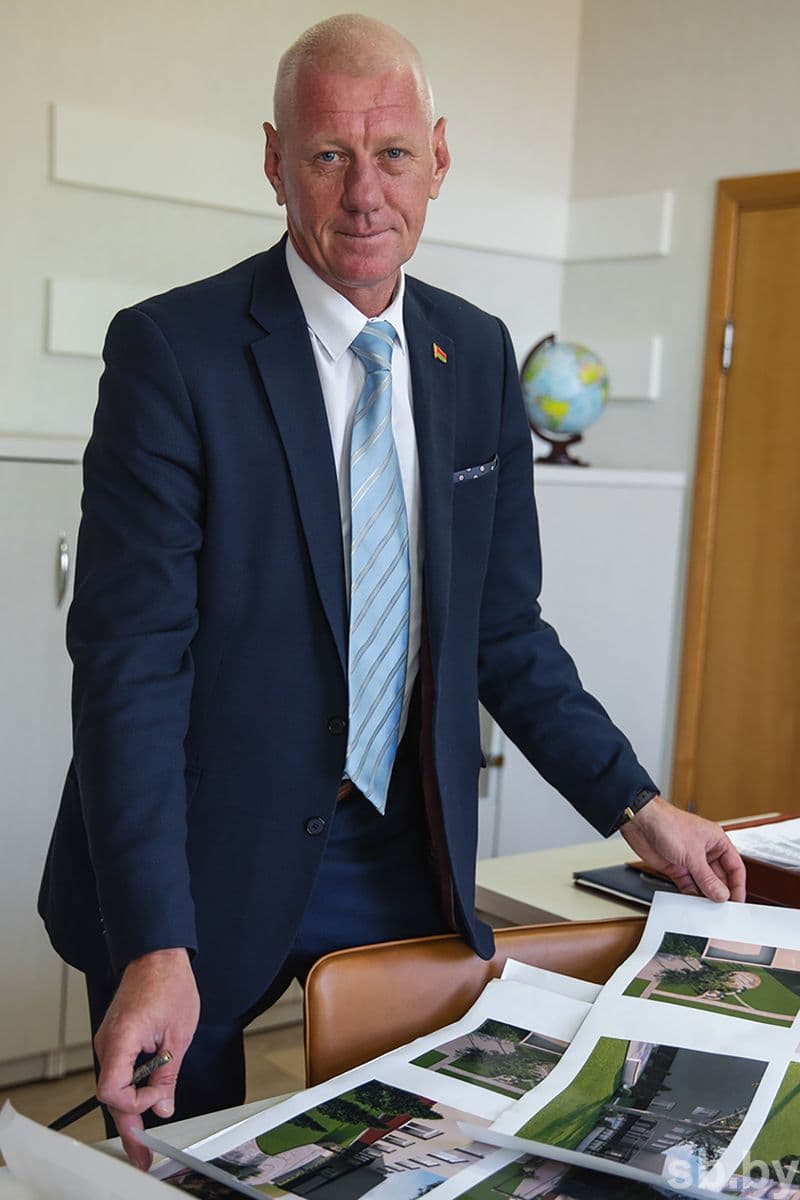
– The Museum of Glory of Mogilev, the shopping center “Atrium”, the triumphal arch at the entrance to Mogilev, the park and the device of the staircase descent in “Podnikolje”, the school and polyclinic in Kazimirovka, the residential complex at the intersection of Gagarin Street and Pushkinsky Prospekt – these are only part of the projects that have been worked on. Among the medical facilities are the new emergency surgery building of the Mogilev City Emergency Hospital, opened last year, as well as the physical and rehabilitation medicine building of the Mogilev Regional Children's Hospital, the new surgical building of the Bobruisk City Hospital, Vitaly lists.

- Any favorite projects?
- They're all favorites. Even the simplest requires total immersion and a serious attitude. Everyone has the opportunity to find a creative solution, make it better, more convenient, more beautiful and functional. Currently, work is actively underway on projects for the reconstruction of the pedestrian Leninskaya Street and the construction of an intracity ring highway in Mogilev.
At the same time, any project before implementation goes a long way of approvals and improvements.
- First, the customer comes with his idea of the future object. Next, various sketches, concepts, ideas are worked out. This is the beginning. It was the same with the Museum of Fame. The director set the task, and after a while I brought him the initial sketch, recalls Vitaly. Further, there is constant refinement and improvement, approval with all interested parties. After that, the complex work on the development of an architectural and construction project begins, it reflects everything: the master plan, three-dimensional planning solutions, facades, interior decoration. Engineers practice constructive solutions and engineering communications. In large projects, the process can take a year, two or more. After the examination, construction begins.
The Institute pays great attention to work with young professionals. According to Vitaly Rogovtsov, under the mentorship of experienced specialists, the new generation brings fresh ideas to architecture. The work of an architect is not easy. It is necessary to be thoughtful about the design process, understand and take into account all the nuances. You can’t just create a beautiful room – you need to consider a lot of standards and think about the people who will use this object. Will they be comfortable moving around? Is there enough space? Will they be able to safely leave the building if necessary? Perseverance, thoughtfulness, painstakingness and, of course, a creative approach - in my opinion, the necessary qualities of an architect, concludes Vitaly.
yankovich@sb.by


