
Forensic experts called the death of Jeffrey Epstein in prison a murder
A Forensic Examiner on Monday released results that it says indicate Jeffrey Epstein was killed while in custody, contradicting a ruling by the New York City Chief Medical Examiner that the disgraced financier committed suicide
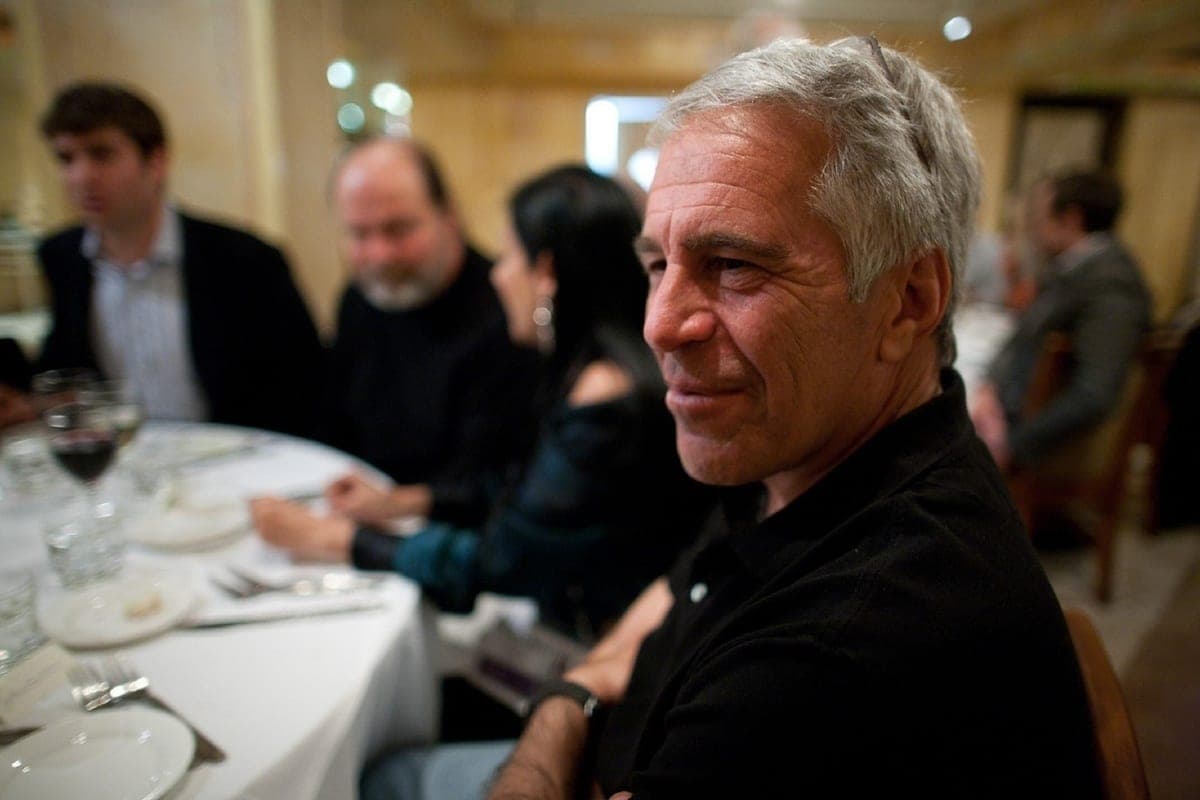
Epstein’s lifeless body was found in a cell at the Metropolitan Correctional Center in New York on August 10, 2019. At the time, he was under surveillance for suicides, CNN recalled.
In a statement to CNN, New York's Office of Chief Medical Examiner said it "remains of its opinion" that Epstein took his own life. But the authors of Monday's presentation in London - Michael Freeman, a scientist and consultant in forensic epidemiology; Anders Eriksson, a forensic pathologist and professor of forensic medicine at Umeå University in Sweden; and Itiel Dror, a cognitive neuroscientist and researcher - said there was no evidence that suicide took place.
After reviewing all the autopsy materials and completing the reconstruction, the authors claim that Epstein’s injuries were the result of the attack and struggle, and he was killed.
After an initial decision was made a week after the convicted sex offender's death, Epstein's lawyers said they were not satisfied with the findings and called for more scrutiny of the prison.
The FBI and the Justice Department inspector general were investigating the circumstances surrounding the death of a human trafficking defendant, CNN reported.
Monday's findings underscore public skepticism that his death was a suicide, with the authors arguing that doubts are "widespread in the US" and fuel conspiracy theories about how he died.
In 2019, Epstein was charged with organizing sex trafficking, during which he sexually abused dozens of underage girls.
He was accused of running a human trafficking enterprise between 2002 and 2005 that paid hundreds of dollars in cash to 14-year-old girls to have sex with him at his Upper East Side home and Palm Beach estate.
The files linked to Epstein have been made public over the past year as a series of document dumps. More recently, the U.S. Department of Justice released millions of documents — emails, text messages, photos and more — after Congress passed legislation in November requiring transparency and disclosure of all documents, forcing President Donald Trump’s administration to act.
While the documents failed to confirm some conspiracy theories surrounding Epstein, such as whether he had a list of clients he blackmailed, they caused headaches for powerful people around the world by shedding light on Epstein's numerous relationships with business titans, billionaires, royals, and government officials - in the US and elsewhere.
In an interview with the New York Times, Freeman, a forensic scientist who analyzes the murders, said he had no idea who might have killed Epstein, and he didn't care. He said he was focused on what he called omissions in the death investigation and autopsy report. “All I’m interested in is how did this happen?” he told the newspaper.


