
Tatarstanis are worried about the swans remaining on the lakes for winter
In the village of Zvanka of Pestrachynsky district express concern about the family of swans who lingered on the local lake
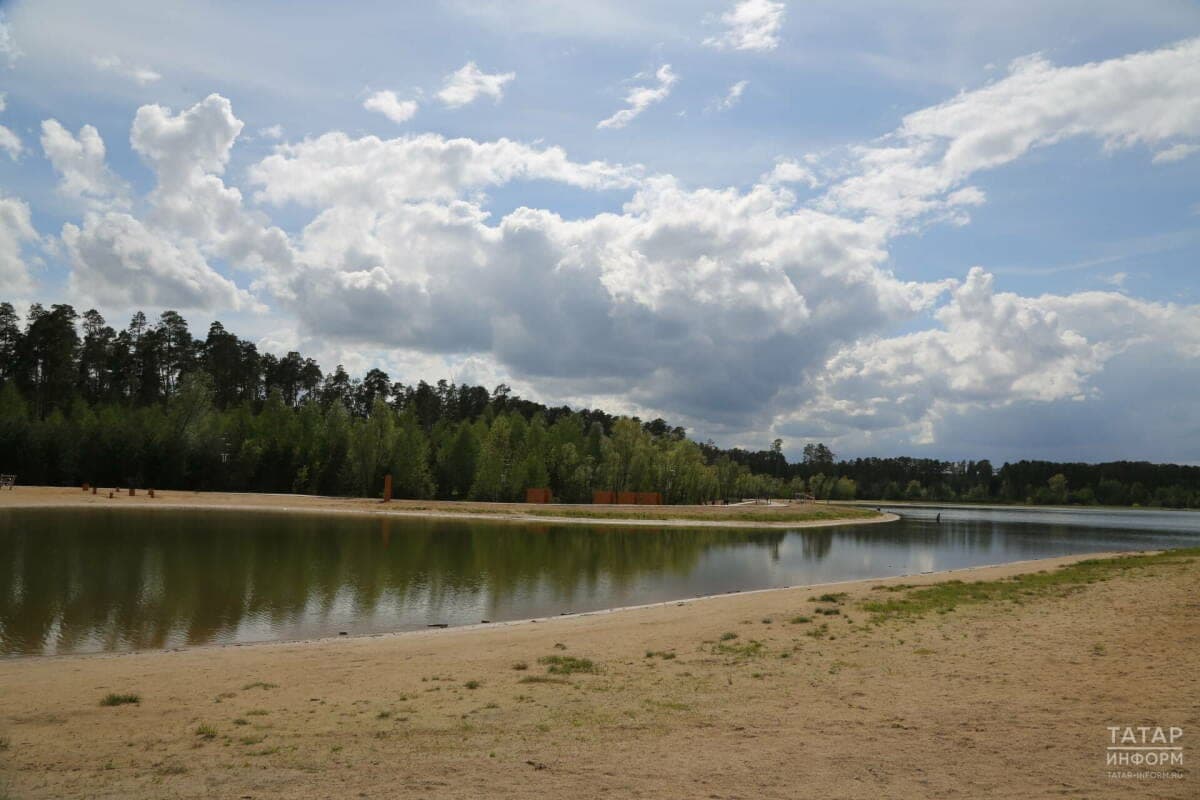
In the village of Zvanka, Pestrachynsky district, concern is expressed about a family of swans lingering on a local lake. The pond begins to cover with ice, and two adult birds with two chicks did not fly away for the winter. The State Committee of Tatarstan on Biological Resources explains that healthy swans do not need help: they can be on water bodies before icefall.
The lake in Zvanka is a popular holiday destination for residents. And swans stop at the pond in the spring and autumn migration. In the spring there were 16 birds, in the autumn 6 arrived.
Locals believe that the young birds are not yet strong enough. Residents are also worried that the pond has begun to freeze.
Ornithologist, member of the Union for the Protection of Birds of Russia Sergey Neklyudov noted that swans-spikes stayed in Zvanka, the most common species in Tatarstan. They not only fly through the republic, but nest here. The main part breeds to the north, winters on reservoirs with open water - in the lower reaches of the Volga, on the Caspian and Black Seas.
He believes that late migration is often associated with the age of the chicks. You can distinguish them from adults by plumage: in young people it is grayish-beige, and snow-white becomes in the second year of life.
The State Committee of Tatarstan on Bioresources said that every November residents receive appeals about swans remaining on freezing water bodies. Most often reported from Tukayevsky, Bavlinsky, Menzelinsky, Alekseevsky and Spassky districts, from Nizhnekamsk. Specialists go to the place to check the condition of the birds.
Head of the Department for the Protection of Animal and Vegetable World of the State Committee of the Republic of Tatarstan on Bioresources Rinat Chispiyakov urged to report wounded birds, but not to try to catch them or take them home.
Neklyudov added that the bird, which was taken from the pond into the yard, may not be able to fly back: swans need a long run through the water to take off.


