
Tiflis Gate: how the Arc de Triomphe of Stavropol survived the destruction and came back to life
Stavropol is a city with a rich history, and one of its most recognizable attractions is considered Tiflis Gate.
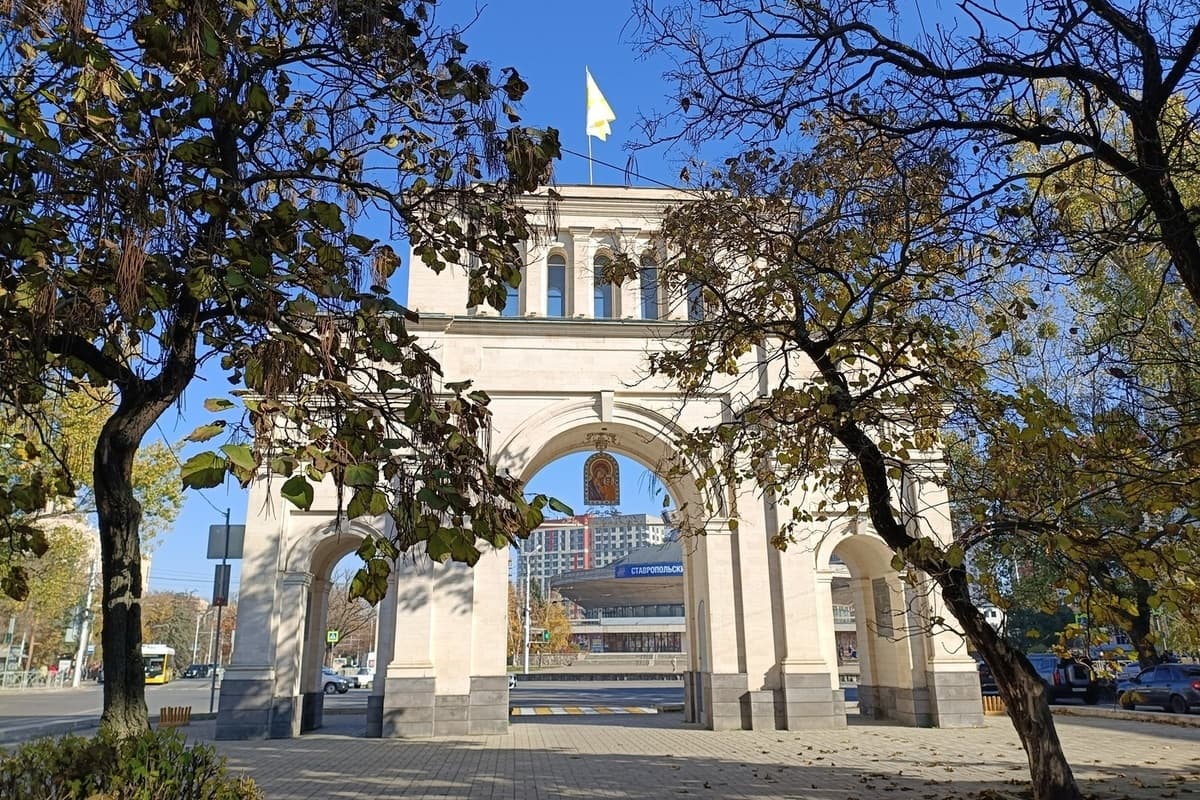
Stavropol is a city with a rich history, and one of its most recognizable attractions is considered Tiflis Gate. This monument of classical architecture was built in 1841 and became a symbol of the glory of Russian weapons. The arch appeared in honor of the 30th anniversary of the victory in the Patriotic War of 1812, and its construction was made possible thanks to the initiative and funds of citizens.
The idea of construction was proposed by Peter Dmitrievich Ustinov, and the famous Stavropol merchant and contractor Gavriil Tamamshev financed the work. For this he was awarded the title of honorary citizen. The gate was located at the entrance to the city from the Tiflis Highway - today it is the beginning of Karl Marx Avenue, and in the past - Cherkasskaya Street.
The Tiflis Gate performed several tasks at once. They served as the eastern gate-outpost through which travelers got into the city. In addition, the arch symbolized the power and glory of Russian weapons, recalling the victory over Napoleon. Over time, the building became an important part of the urban appearance.
In 1851 the gate was rebuilt. The work was led by contractor Luca Sonnov. It was then that iron grilles, made at the Luhansk foundry, appeared on the arch. These elements gave the design additional expressiveness and strength.
However, the history of the monument was dramatic. In the late 1930s, the Tiflis Gate was destroyed. This happened during the anti-religious and Soviet campaigns, when many historical sites of the country were destroyed. Stavropol lost one of its main architectural gems.
The revival of the monument was made possible thanks to enthusiasts and professionals. In 1998, Tiflis Gate was restored according to the drawings of local historian Vasily Gnilovsky. The architect of the project was Peter Ivanovich Oleksyuk. The restoration of the arch was an important event for the city and its inhabitants.
In September 2000, Orthodox icons were installed on the arch. These are the images of the Kazan Mother of God and Nicholas the Wonderworker. They have become not only a decoration of the monument, but also a spiritual symbol for the believers of the townspeople.
Today Tiflis Gate is one of the main business cards of Stavropol. They are recognized by local residents and tourists. The arch is located in the historical center of the city, at the beginning of the boulevard named after General Yermolov. This place is loved for the atmosphere of antiquity and entourage of antiquity.
Families come here for walks, make appointments, take pictures as a souvenir. For many Stavropol citizens, Tiflis Gate is not just an architectural monument, but a part of their hometown, with which personal stories and memories are associated.
The arch serves as a starting point for walking tours of the old part of Stavropol. Guides tell tourists about the Cossack and provincial past of the city. Tiflis Gate recalls the times when Stavropol was an important outpost in southern Russia.
The history of this monument is an example of how careful attitude to the heritage allows you to preserve the bond of generations. The shattered and reborn arch became a symbol of resilience and respect for the past. It teaches us to appreciate what our ancestors created.
Today, Tiflis Gate continues to inspire artists, photographers and writers. Their image appears on postcards, paintings and guidebooks. This place is considered the cultural code of Stavropol.
Everyone who comes to the city wants to see this arch with their own eyes. It welcomes guests and sees them off, remaining in memory as one of the brightest symbols of Stavropol. Tiflis Gate is a living history that continues today.
Earlier it was reported about the architect of the resort paradise and the heritage of Andrei Klepinin.