
The genocide of the Soviet people during the Great Patriotic War was discussed in Minsk
Scientific and educational conference "Genocide of the Soviet people during the Great Patriotic War" within the framework of the X International Documentary Festival.
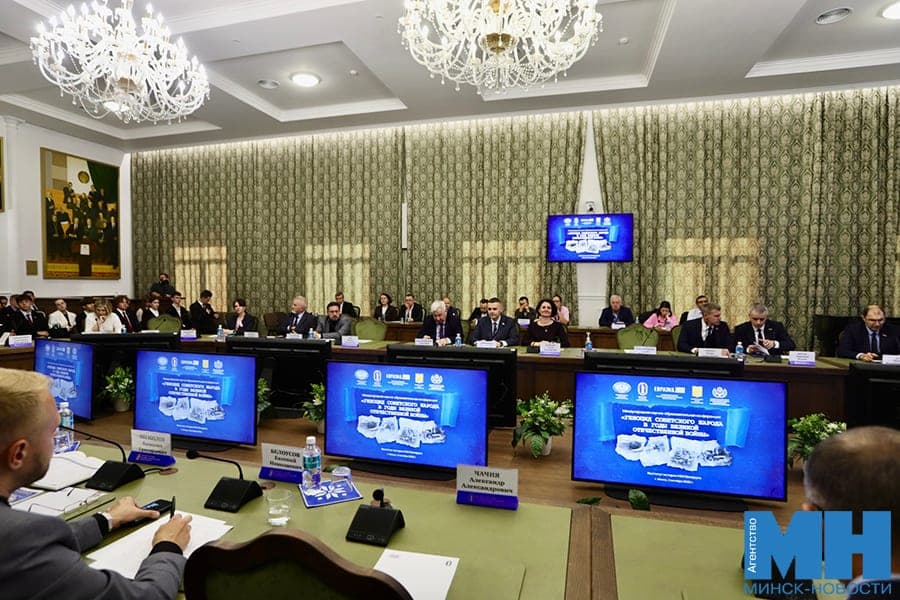
The scientific and educational conference “Genocide of the Soviet People during the Great Patriotic War” within the framework of the X International Documentary Film Festival of the CIS countries “Eurasia.DOC” was held in Minsk on October 2. Details - in the material of the correspondent of the agency "Minsk-Novosti".
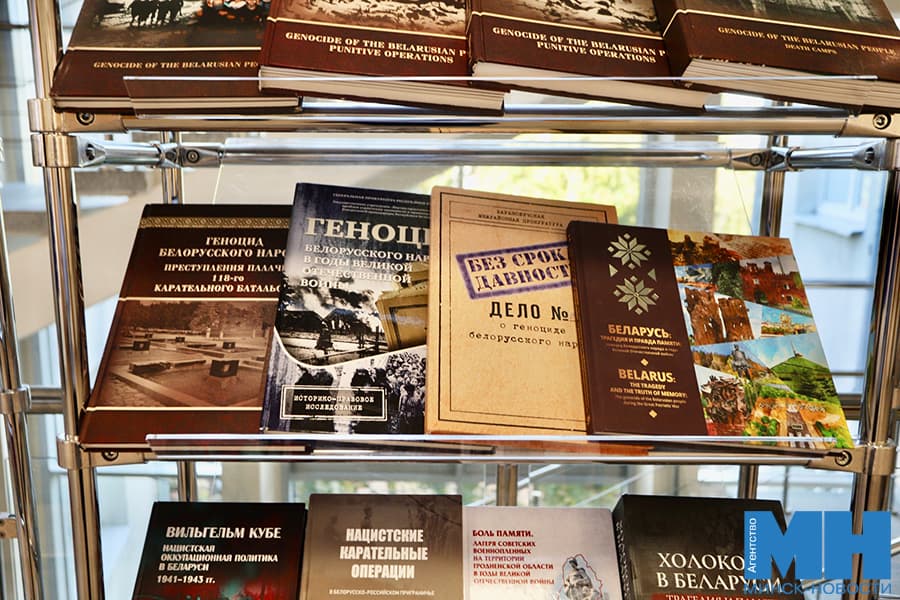
Before the start, guests could see four thematic exhibitions. The first two were based on archival documents. The exposition “Through Captivity” was prepared by the National Archives of the Republic of Belarus and the State Archives of the Contemporary History of the Sverdlovsk Region. The project “Genocide of the Soviet People during the Great Patriotic War” was presented by the Yakub Kolas Central Scientific Library and the Institute of History of the NAS of Belarus.
Two exhibitions could also be visited. The first Russia-Belarus. Common Memory was brought by the National Center for Historical Memory under the President of the Russian Federation. The second – “Minsk and Minsk women”, timed to the Year of the Belarusian woman, was presented by the Institute of History and the Minsk city organization ROO “White Rus”.
Here we talked about the natives of Belarus, who committed heroic deeds, and also reached significant heights in various spheres. Among the heroines of the exhibition are both those who are no longer there, and our contemporaries.
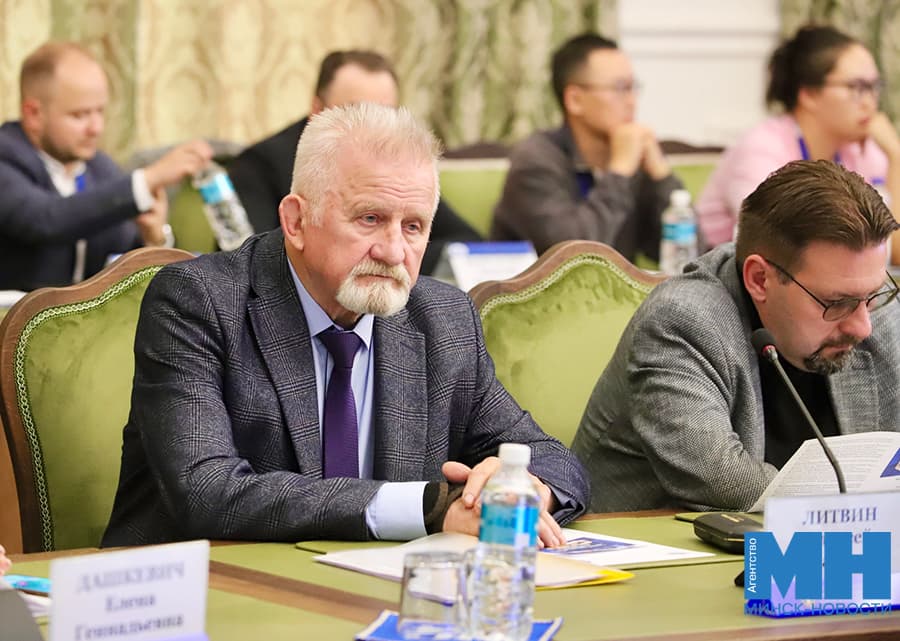
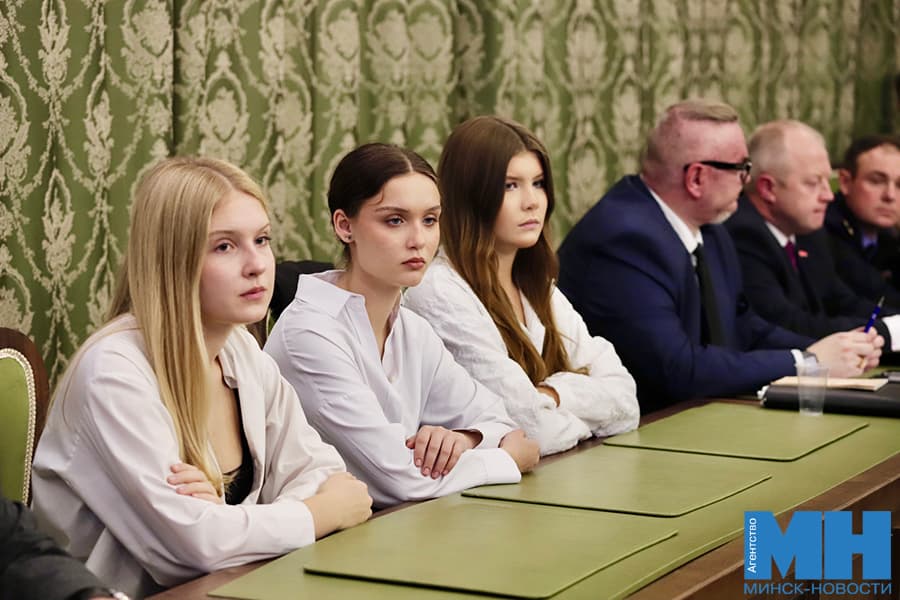
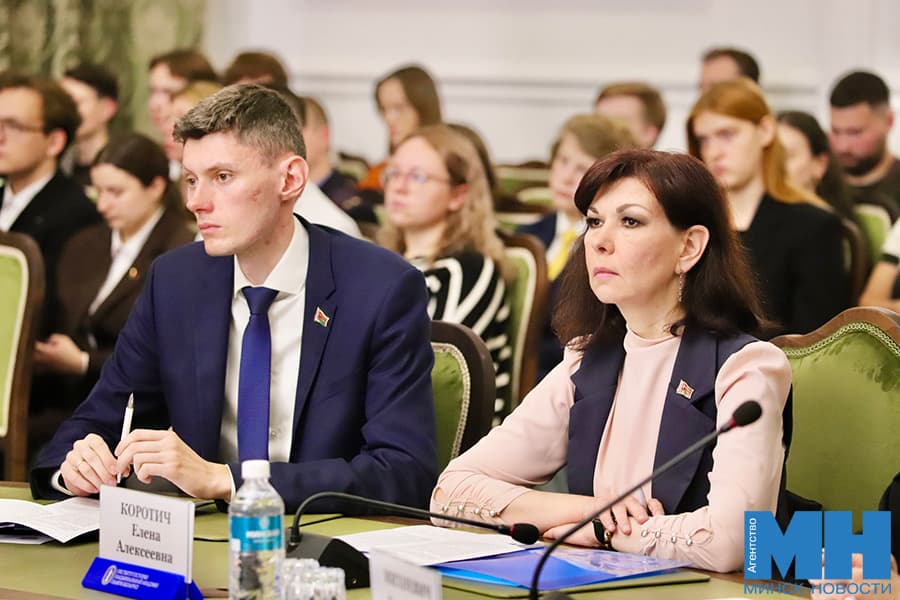
The conference was opened by Director of the Institute of History of the National Academy of Sciences of Belarus Vadim Lakiza. He recalled that over the postwar years, more than 12.5 thousand scientific works on the history of the Great Patriotic War were published in the country. In Belarus, the Center for Scientific Research on this topic continues to work, and schools teach the appropriate elective and special course. According to V. Lakiza, Belarus was the first in the post-Soviet space in 2004 to publish a textbook on the history of the war.
Separately, the head of the Institute of History of the NAS dwelled on the cooperation of scientists, universities and prosecutors in the study of the genocide of the Belarusian people.
- Today, the followers of the Nazi aggressors are again raising their heads in the European space. We hear in the Baltic States, Finland and Poland that they are ready to continue what was not done in 1941. Our youth must agree both theoretically and practically to defend their national and state interests, Lakiza said.
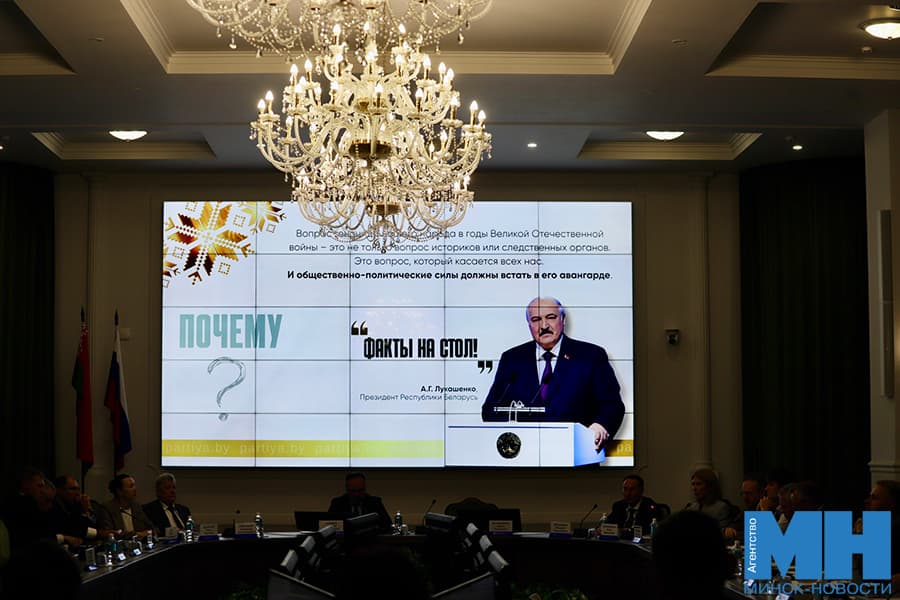
Separately, the conference discussed the preservation of historical truth and how not to allow it to be distorted. The issue of genocide concerns not only historians and investigative bodies, but also socio-political forces.
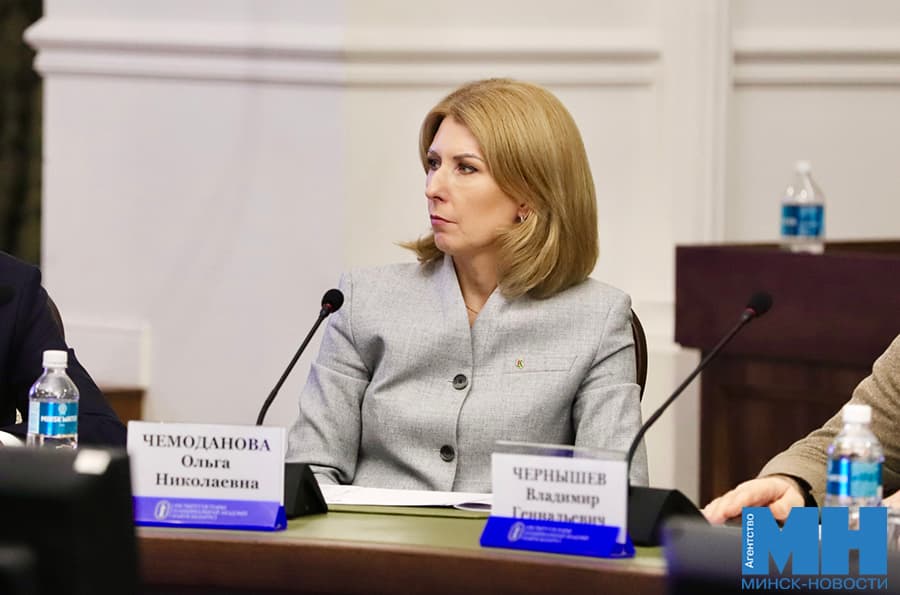
- Reason and reason are a priority today. Seeing attempts to rewrite history, we and our youth are thinking about how to prevent this from happening and preserve historical memory. The issue of genocide of the Belarusian people during the Great Patriotic War is one of the most painful in history. For a long time, behind the veil of tears and grief, we did not dare to give an objective assessment of what was happening. Now our voice must sound loud and confident, with concrete arguments. Facts on the table are the style that the President of Belarus sets us, said Olga Chemodanova, chairman of the White Rus party.
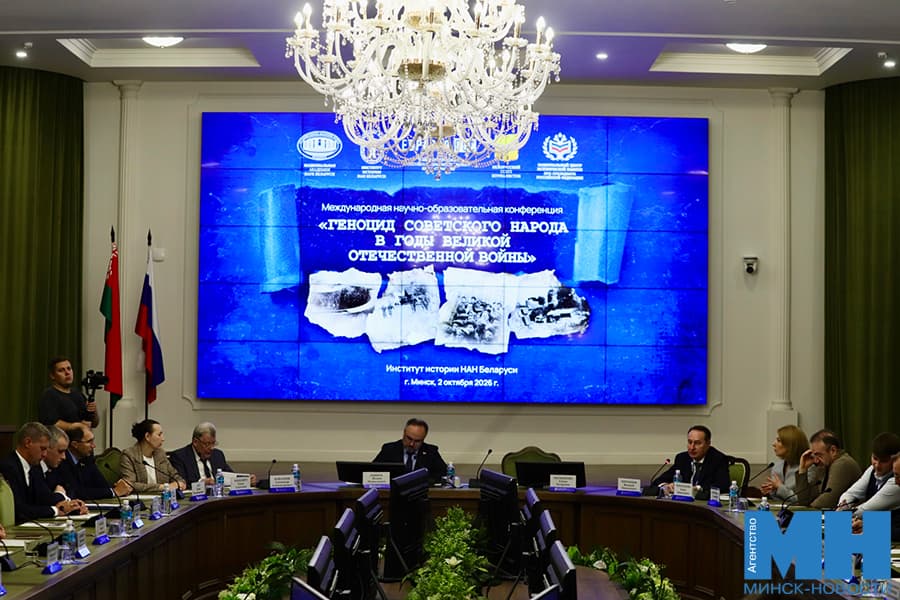
At the conference, new data on the investigation of the criminal case of genocide were announced. 166 previously unknown places of mass destruction of civilians have been identified, 149 have already been excavated. This year they were held in 15 places in all regions of Belarus, except Minsk. New burials were discovered in Orsha district, as well as in Brest and Grodno regions.
The verdict of the Minsk Tribunal 80 years ago is a roadmap for us in bringing former Nazi criminals to justice. In each decision, we refer to this document, justifying international grounds, said Dmitry Janush, deputy head of the Prosecutor General’s Office for Supervision of the Investigation of Particularly Important Criminal Cases.
This spring, Belarusian prosecutors worked at the Russian State Archive of the Economy, where they calculated the damage from the occupation. It is currently valued at 40,880 tons of gold — about $6 trillion at the start of the year. And for the first half of the year on the plaques of mass graves entered data on more than 38 thousand unknown Red Army soldiers.
- Our work must be based on verified knowledge and facts. This is relevant not only from the point of view of memory, but also for creating a worldview framework for the younger generation, said Elena Malysheva, head of the National Center for Historical Memory under the President of the Russian Federation.
Photo by Diana Shabala


