
A tragedy that affected everyone. In Minsk, young people told about the protection of historical truth
Round table "Anniversary of the beginning of the Great Patriotic War". The genocide of the Soviet people took place on October 2 in the Belarusian state.
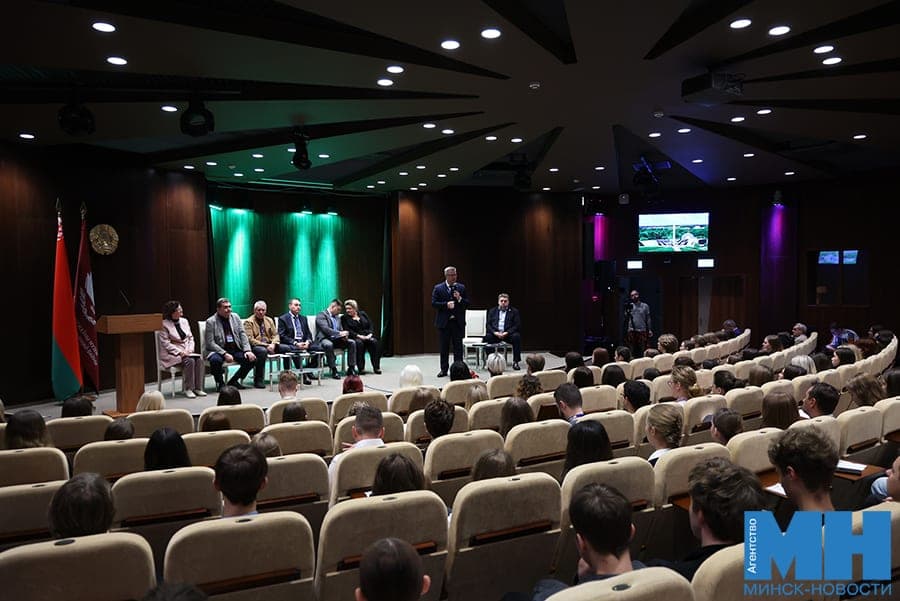
Round table "Anniversary of the beginning of the Great Patriotic War". The genocide of the Soviet people was held on October 2 at the Belarusian State Museum of the History of the Great Patriotic War. It became part of the X Festival of Documentary Cinema of the CIS countries “Eurasia.DOC”, reports the correspondent of the agency “Minsk-Novosti”.
Before the dialogue, the participants honored the memory of those who forged the Victory at the front and in the rear, who reached Berlin, who gave their lives for the freedom of the Motherland. They laid flowers at the stele “Minsk is a hero city” in memory of the victims of the genocide: tortured by hunger and cold, hanged and shot, burned along with their villages old people, women and children.
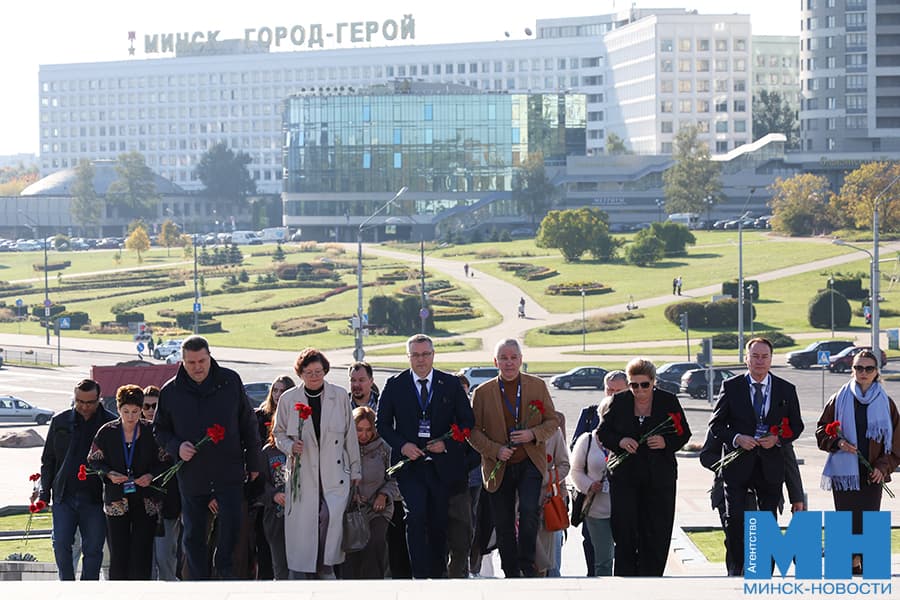
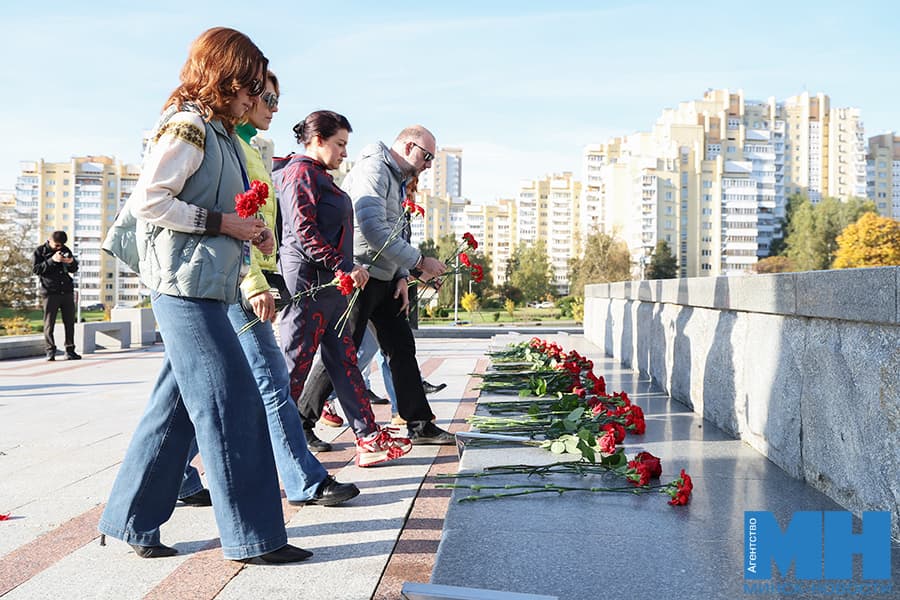
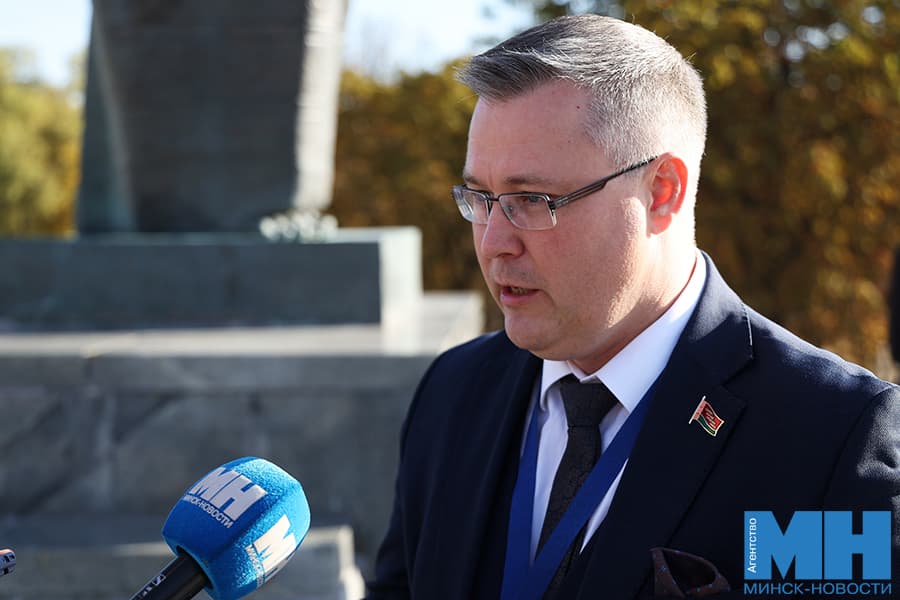
- This is a very true and very correct, in my opinion, the tradition of our festival to talk about the history of the Great Patriotic War, to protect it in the media space, said Andrey Krivosheev, one of the co-organizers of the X Festival of Documentary Films of the CIS countries, Chairman of the Board of the Belarusian Union of Journalists. There is no more symbolic place, holy for us, for every Belarusian and Minsk citizen, than the museum of the history of the Great Patriotic War.
Outstanding historians, journalists, political scientists and publicists were invited to the meeting to discuss the history of the Great Patriotic War and the genocide of the Soviet people together with Belarusian youth. Thousands of viewers joined the online broadcast.
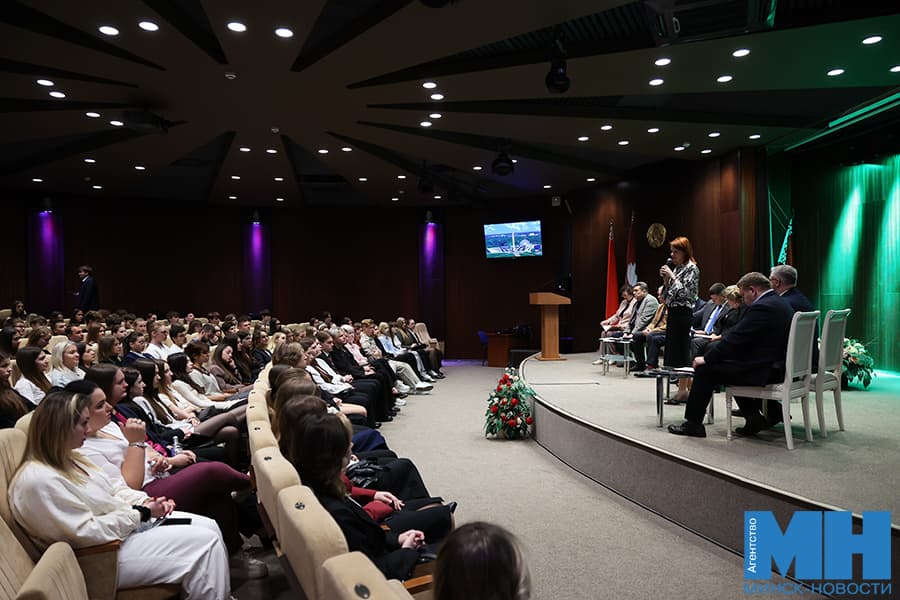
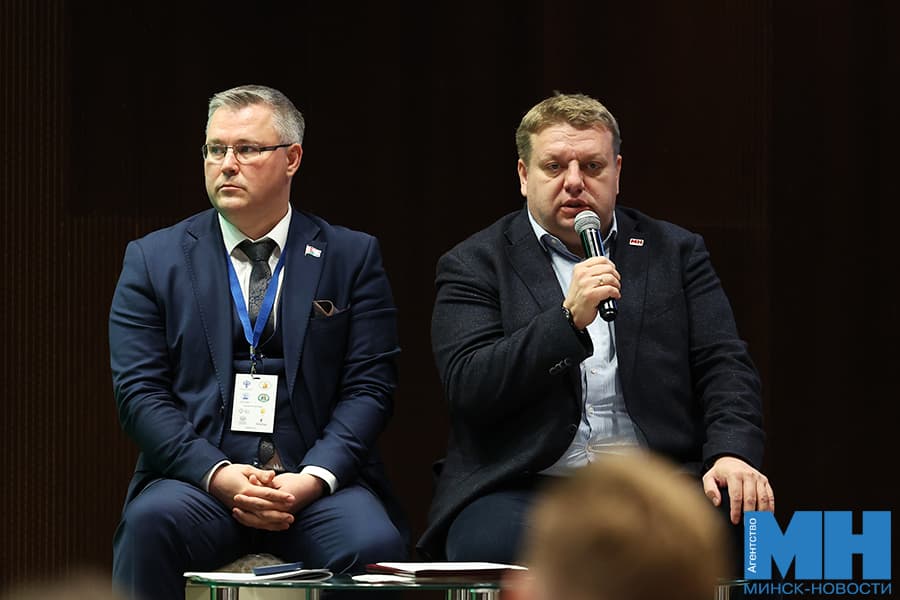
The moderators of the round table were A. Krivosheev and Deputy General Director of the agency “Minsk-Novosti” – editor-in-chief of the newspaper “Minsk courier” Kirill Kazakov.
Speakers were a member of the Council of the Republic, head of the main department of ideological work and youth affairs of the Minsk City Executive Committee Alexander Lukyanov, director of the Festival of Documentary Film of the CIS countries “Eurasia.DOC” Valery Shekhovtsov, head of the National Center for Historical Memory under the President of Russia Elena Malysheva, director of the Belarusian State Museum of the History of the Great Patriotic War Rim, chairman of the Union of Journalists of Russia Vladimir Solovyev.
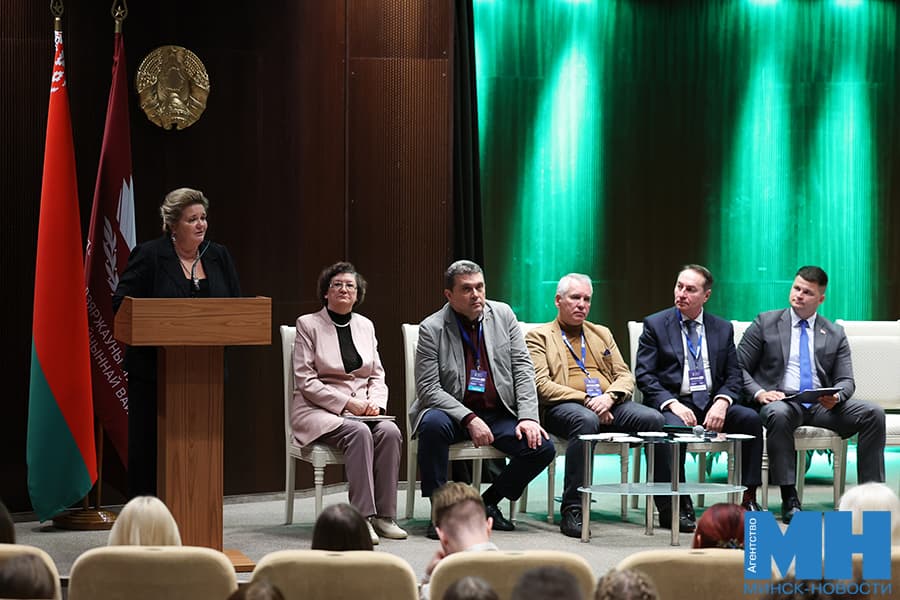
At the beginning of the meeting, Lukyanov invited young people to visit the INNOPROM exhibition. Belarus, where you can get acquainted with the achievements of the country. Then he presented to the public “People’s Fortress” – an informational, journalistic, heroic and patriotic project to popularize among young people the history of the defense of the Brest Fortress, its defenders, representing the republics included in the Commonwealth of Independent States.
- It was created on the initiative of the Belarusian delegation to the Interparliamentary Assembly of the CIS member states by the Minsk-Novosti agency with the support of the Minsk City Executive Committee represented by the main department of ideological work and youth affairs of the Minsk City Executive Committee, Lukyanov said. The first series of videos of the People’s Fortress was published on June 22, 2026, on the Day of National Remembrance of the Victims of the Great Patriotic War and the Genocide of the Belarusian People. Twice a week, on Tuesdays and Fridays, the media of the Minsk-Novosti agency, such as the newspaper Minsk Courier, the portal minsknews.by, the YouTube channel MINSKNEWS, official channels in popular messengers and social networks, Radio-Minsk, published one issue of the project. It ended on July 28, 2026, the day of the liberation of Brest.
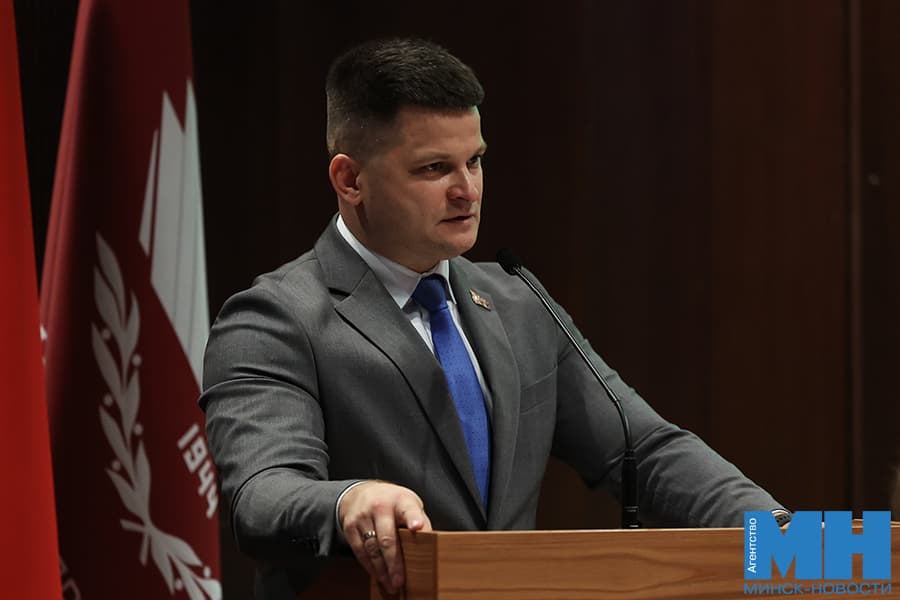
According to Lukyanov, the cross-media format of the project, when video, printed word, social networks and radio are involved, made it possible to reach more than 100,000 viewers, readers and listeners. He expressed confidence that this is only a starting point and the number of those who will get acquainted with him in all CIS countries will only grow.
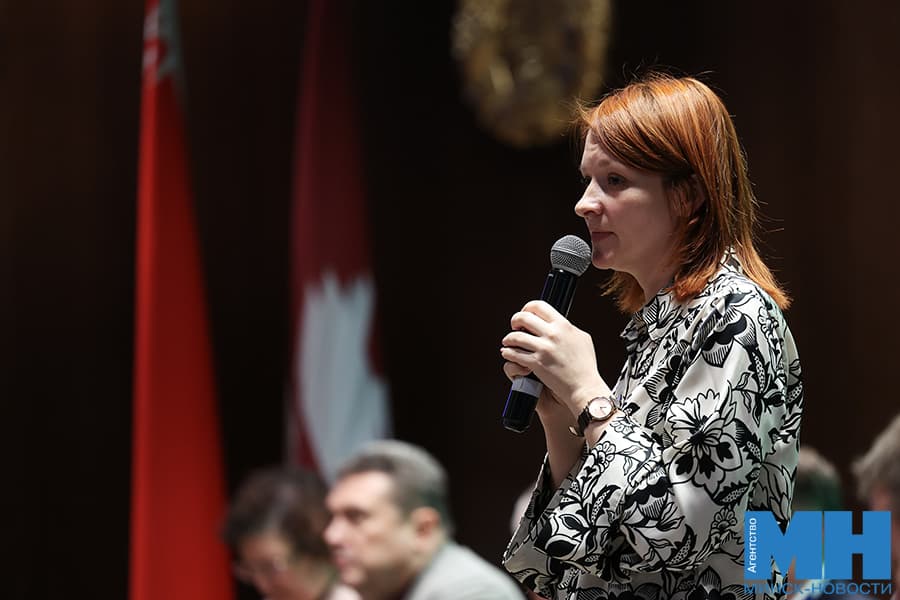
The participants of the meeting had the opportunity to ask the invited speakers their questions.
At the end of the round table, the Russian documentary Dulag 142 was screened. Death camp.
- This year, the choice fell on the film of our Bryansk colleagues, Krivosheev said. As in the Minsk Stalag-352, tens of thousands of people were killed in the Bryansk dulag in the most brutal way. Peaceful and prisoners of war, because Dulag is a transfer camp. It’s a very powerful film that makes you cry. We deliberately show such a tough, historically absolutely true film to young people. They need to know. We would rather tell them the hard story of their grandfathers and great-grandparents than if it were told by our media enemies, and they would certainly lie.
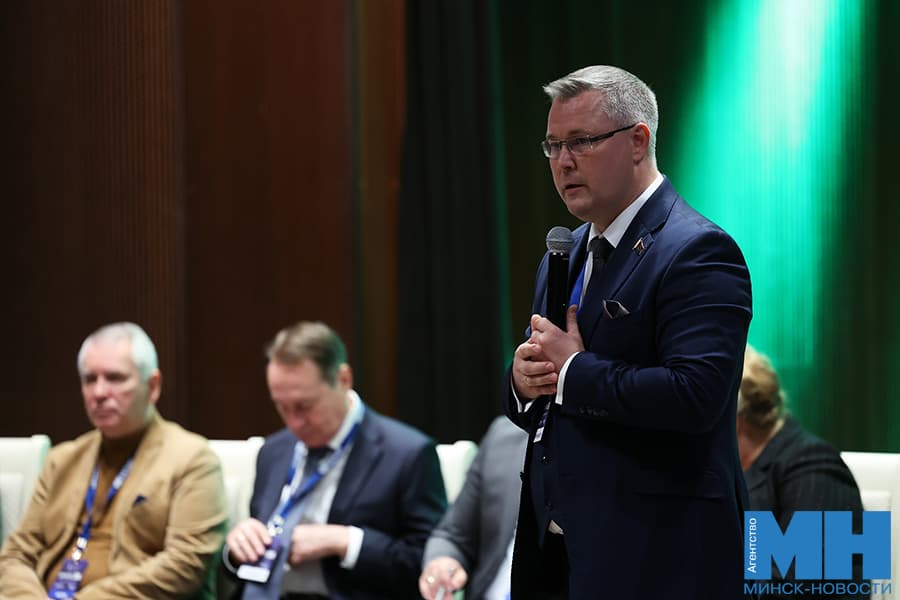
The topic of genocide of the Belarusian and Soviet peoples during the Great Patriotic War is also devoted to the scientific and educational conference at the Institute of History of the National Academy of Sciences of Belarus.
Photo by Irina Malinovskaya


