
Knitting large knitting: how not to look like a grandmother
Large knitwear is the most insidious thing in the wardrobe
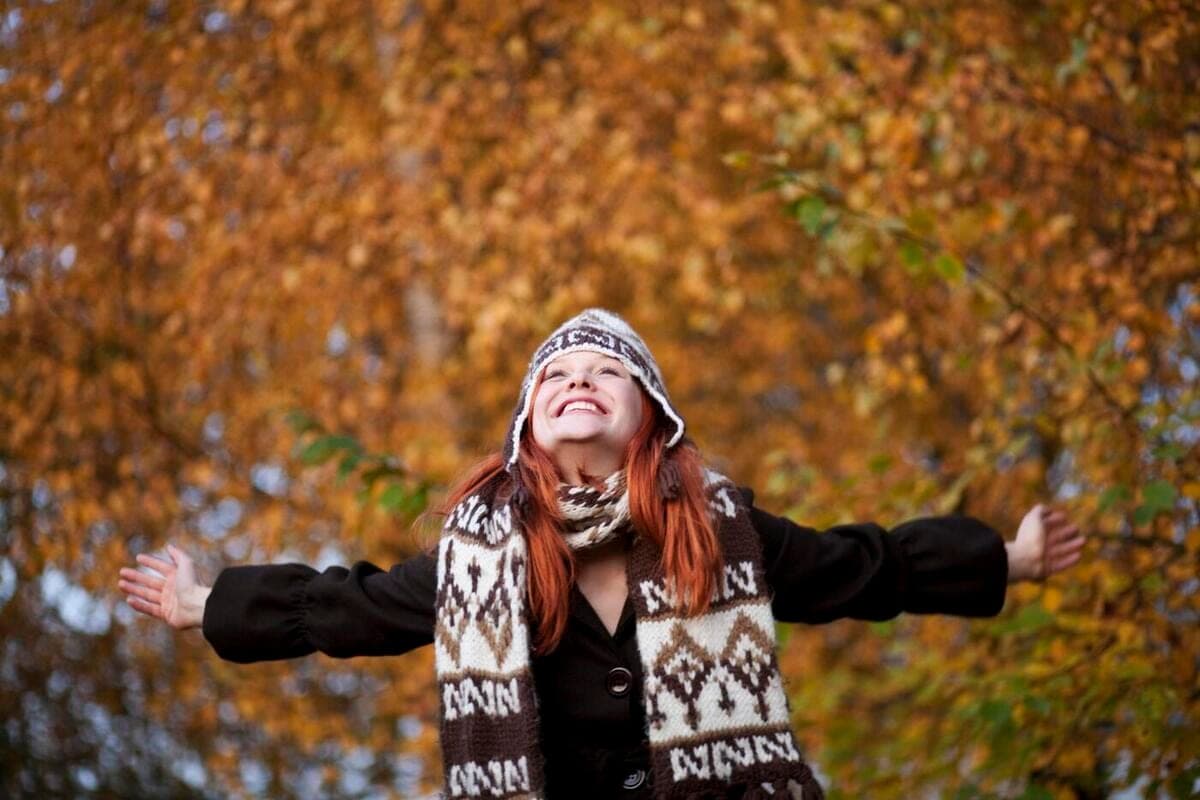
The line between “editorial look from Paris” and “spiny homespun masterpiece from the dacha” is much thinner than it seems. And it's measured not by brand, but by three things: silhouette, texture, and what you're wearing from the bottom.
Rule number one: volume where it is expected
The main stylistic law of large mating is compensation. If the top is large, the bottom should be narrow. Oversize sweater with loose texture and a flat shoulder requires straight jeans, skinny or, even better, a minimalistic pencil skirt. The volume-plus-volume silhouette works in exactly one case: when it's a thoughtful total look with a clear architecture - and, frankly, it requires growth above 175cm and model confidence.
The classic mistake is a giant sweater with wide palazzo pants and boots with a soft shin. You don't look relaxed. You seem to have lost your orientation in space. Remember: the volume of knitting is read as a luxury only paired with a clear line. The thicker the yarn, the thinner everything else.
Rule number two: texture is more than color
You risk becoming a grandmother not because of the knitting, but because of its quality. Cheap acrylic yarn with loose loops and reels after two weeks of socks - that's the main traitor. A large knitting is the most honest way to tell you how much it cost: it either looks like an art piece or like an IKEA carpet you’ve been wearing for some reason.
Look for tight twisted yarn - Merino wool, alpaca, cashmere with additives. Textured weaves – braids, “rice”, rubber bands of large rapport – work perfectly, but only one at a time: a sweater in braids plus smooth pants, not braids plus diamonds and a border with brushes. And yes, choose a neutral palette: milk, chocolate, graphite, camel. Bright colors are acceptable, but then the texture should be as clean and simple as possible.
Rule number three: open areas - salvation
A large viscous bandage means that the thing “deafens” on the body, and the figure disappears. The antidote is a contrast to the skin. Open wrists (sleeves slightly shifted, cuffs are visible), V-shaped or rounded neckline, collarbone. If the sweater is deaf, open the bottom: thin tights and a skirt above the knee, or - the fashionable reception of the season - bare ankles and low profile loafers. It takes ten centimeters of visible skin to turn the image from “home” into “urban”.
Rule Four: Accessories Do All the Work
The same sweater with uggs and scarf in tone - "walk into the woods," with pointed-nosed boots and a structural bag - "backstage haute couture." Large knitwear does not tolerate the second volume next to you: refuse down jackets-blankets, hat-stockings and bags-bags in one image.
Coat should be straight and hard on the edge, bag - hard, shoes - with pure geometry. Jewelry is trendy and necessarily visible: earrings instead of earrings-drops, a chain on top of the cutout. Little change? On the contrary, it is the five percent that turn a sweater into an image.
A Few Views on a Large Viscillation
Before leaving the house, ask yourself one question: is this image visible at least some body line - wrist, waist, neck, ankle? If not, go back and remove one layer of volume. Large knitting is about the luxury of texture, not about drowning in clothes. She likes contrast, cutting discipline and a bit of open skin. Grandmothers are known to sew to hide from the cold. We wear it to make it look stylish.


