
Scientists from Syktyvkar have created a sorbent from hogweed to purify water from uranium
Specialists of the Institute of Geology of the Komi Scientific Center of the Ural Branch of the Russian Academy of Sciences created a sorbent based on cellulose from the stems of Sosnovsky hogweed to purify water from uranium-238
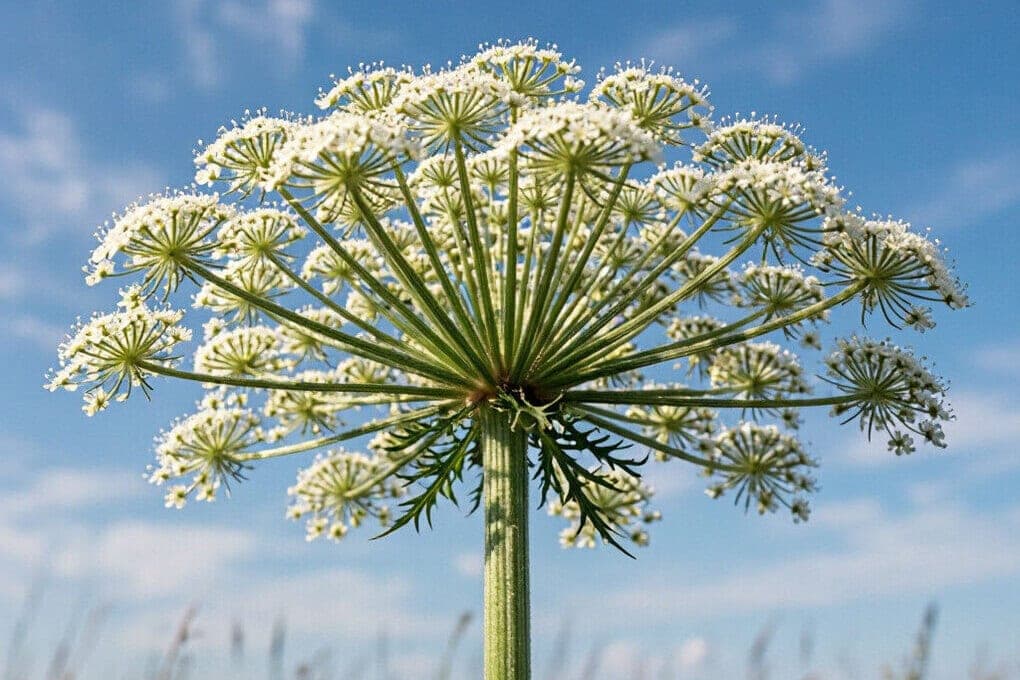
Specialists of the Komi Institute of Geology of the scientific center of the Ural Branch of the Russian Academy of Sciences have created a sorbent based on cellulose from the stems of Sosnovsky hogweed to purify water from uranium-238. This material not only absorbs the radioactive element, but also prevents it from re-entering the environment. This was reported by the press service of the Russian Science Foundation (RSF).
Scientists investigated the properties of cellulose obtained from wheat, rye, oats, brown algae of the White Sea and Sosnovsky hogweed, assessing their ability to absorb and retain uranium-238.
It turned out that cellulose from hogweed is less effective in the amount of uranium absorbed compared to oat polymer, but it is much better at retaining a radioactive contaminant. With prolonged exposure to hydrochloric acid, only 3.3% of uranium was released from hogweed cellulose, while 47% from oatmeal.
Researchers believe that the high efficiency of the hogweed sorbent is due to its porous structure and large surface area of cellulose.
Traditional methods of purifying water from uranium and other radioactive substances often require expensive membranes and sophisticated equipment. Scientists hope that plant-based materials could be a more affordable alternative to these systems.
The development will simultaneously solve the problem of the spread of dangerous weed and clean water bodies of radionuclides, as noted by Lyudmila Kocheva, a leading researcher at the Komi Institute of Geology of the Ural Branch of the Russian Academy of Sciences.


