
Scientists have discovered an unusual property of wolves
Experts have found that wolves distinguish human fear by smell and show a reaction similar to the behavior of domesticated dogs
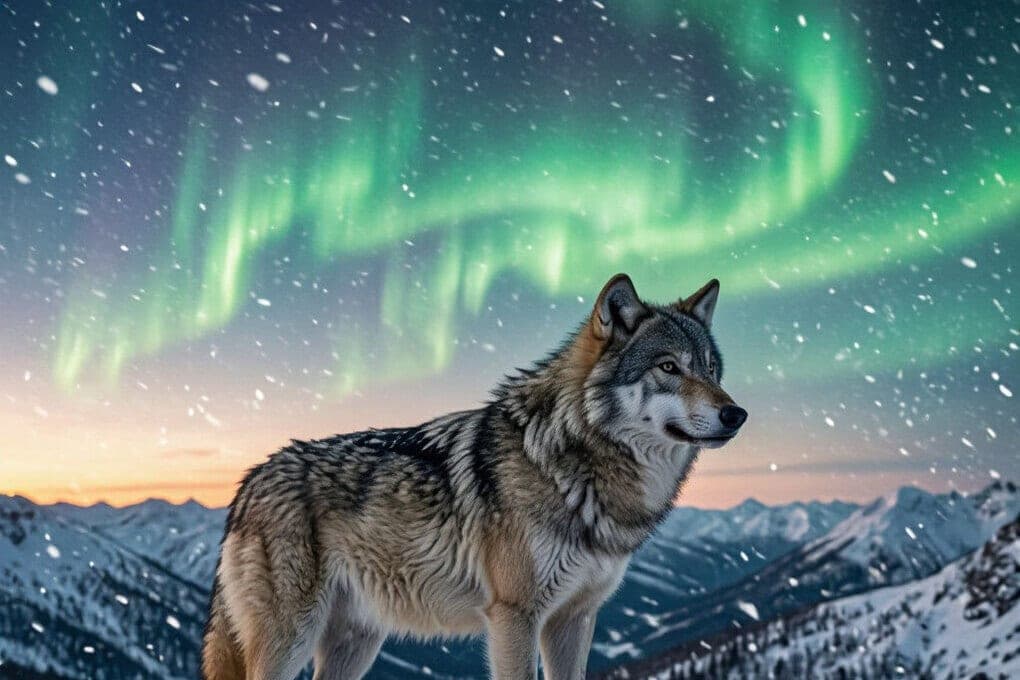
According to TechInsider, experts have found that wolves distinguish human fear by smell and show a reaction similar to the behavior of domesticated dogs. According to data published in the journal Animal Cognition, such sensitivity may have formed in these animals long before the process of domestication.
Scientists have previously found that dogs read human feelings not only by the intonation of the voice and facial expressions, but also by the chemical compounds released by the body. For example, the smell of sweat, when a person is scared, can change their behavior and pulse rate. Similar responses were recorded even in newborn dogs, which suggests the innate nature of this skill.
The researchers tested their hypothesis by analyzing the response of dogs and wolves to smells that convey a variety of emotional states. Ten of the women had their sweat samples taken after watching a horror movie and a calm picture of nature. Then, these fragrances were presented to 11 dogs and eight wolves, born and raised in captivity and accustomed to communicating with people.
The wards were shown two samples, one of which contained anxiety pheromones. Neither dogs nor wolves showed an obvious love for any particular scent. But the response to human fright was different: animals took less time to study the source of the smell and more often glanced at the owner.
Scientists have suggested that the ability to distinguish chemical markers of the human emotional background appeared in their common ancestor, based on the similarity of reactions of both types. It is probable that the process of domestication has merely preserved or enhanced this capacity, rather than produced it. However, the researchers note that since all the wolves in the experiment lived among humans, the behavior of wild representatives remains unclear.


